
Soups & Stews
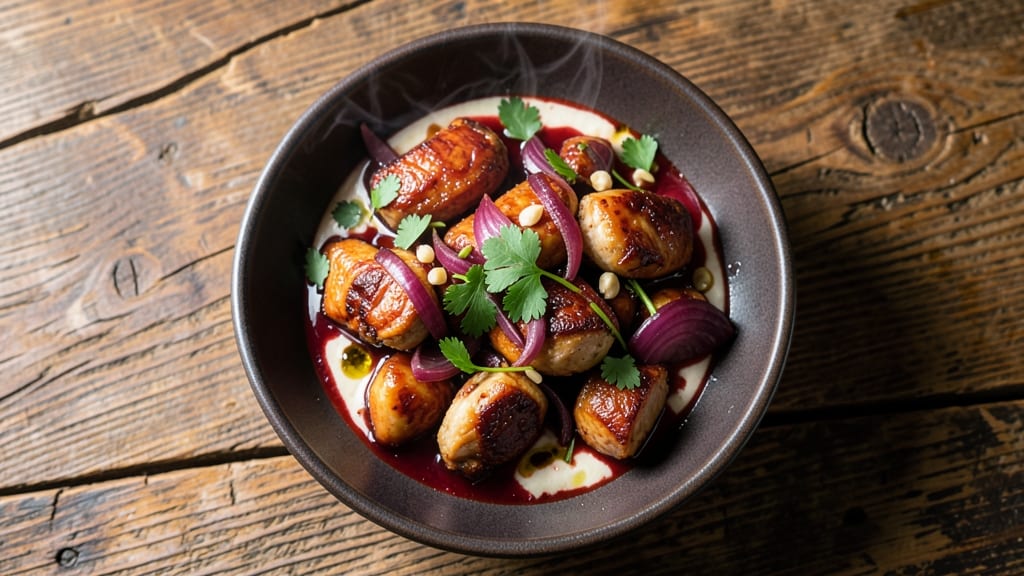
This stewed chicken gizzards recipe transforms tough cuts into a rich, savory centerpiece—with a foolproof method even beginners can master. Growing up in Georgia, I learned that slow-cooked gizzards become melt-in-your-mouth tender when simmered with aromatic vegetables and a touch of acidity.
The key lies in proper preparation and steady heat, ensuring every bite is flavorful without bitterness.
This recipe builds on traditional techniques while adapting for modern kitchens, using simple ingredients like onions, garlic, and tomato paste to create a deeply satisfying base. Unlike quick-cook methods, the slow simmer (about 2 hours) breaks down connective tissue, transforming gizzards into tender morsels that absorb the surrounding flavors beautifully.
The result is a dish that feels both comforting and impressive.
By the time you serve this, your kitchen will smell like a home-cooked feast, with gizzards that pull apart effortlessly and a sauce rich enough to spoon over rice or crusty bread.
The secret? Starting with fresh gizzards and maintaining a gentle simmer—no rushing, no shortcuts. This is the kind of recipe that rewards attention to detail with restaurant-quality results.
Pair with buttery mashed potatoes or a crisp green salad to balance the richness, and save leftovers for sandwiches the next day. The method scales easily for crowds, making it perfect for gatherings where hearty, slow-cooked dishes steal the show. Let’s get started with the full technique.
Ingredients for stewed chicken gizzards
Fresh gizzards and aromatic vegetables create a deeply satisfying slow-cooked centerpiece.
| Ingredient | Amount | Notes |
|---|---|---|
| Chicken Gizzards 🍗 | 1 ½ lb | Fresh, trimmed of excess fat |
| Yellow Onions 🧅 | 1 whole | Medium, thinly sliced |
| Garlic Cloves 🧄 | 6 cloves | Peeled, thinly sliced |
| Tomato Paste 🍅 | ½ cup | High-quality, no sugar added |
| Dry Red Wine 🍷 | 1 cup | Bold Cabernet Sauvignon |
| Chicken Broth 💧 | 2 cups | Homemade or low-sodium |
| Fresh Thyme Leaves 🌿 | ½ cup | Stems removed, chopped |
| Fresh Rosemary 🌿 | 1 tbsp | Chopped, finely |
| Bay Leaves 🌿 | 2 whole | Dried, standard size |
| Extra-Virgin Olive Oil 🫒 | 2 tbsp | High-quality, fruity |
| Unsalted Butter 🧈 | 2 tbsp | Cold, cubed |
| Diamond Crystal Kosher Salt 🧂 | 1 ½ tsp | For seasoning |
| Freshly Ground Black Pepper 🌶️ | ½ tsp | Coarsely ground |
| Lemon Juice 🍋 | 2 tbsp | Freshly squeezed |
| All-Purpose Flour 🌾 | 2 tbsp | For dredging |
The quality of gizzards makes all the difference here. Fresh, plump gizzards from a trusted butcher—like Whole Foods Market or a local poultry farm—ensure optimal texture. Look for vibrant color and minimal fat; trim any excess before cooking. If you're using frozen gizzards, thaw them overnight in the refrigerator, never under running water, as this can dry them out. The extra-virgin olive oil and butter form the flavor base, so invest in high-quality brands like California Olive Ranch or Plugrá for the best results. These fats create a rich sauce that clings perfectly to the tenderized gizzards.
No red wine? Substitute with additional chicken broth and a splash of balsamic vinegar—it mimics the acidity and depth. Fresh thyme and rosemary are ideal, but dried herbs at one-third the amount work in a pinch. For tomato paste, San Marzano is the gold standard, but any high-quality brand without added sugar will suffice. If you're short on time, pre-minced garlic from a jar is acceptable, though freshly sliced garlic adds a brighter flavor. The flour is solely for dredging—it helps create a light crust that seals in moisture during the slow simmer.
This dish reheats beautifully, with flavors deepening overnight. Store leftovers in an airtight container in the refrigerator for up to 4 days, or freeze for 3 months in a sealed container. For serving, spoon the sauce over buttery mashed potatoes or crusty bread—it's rich enough to stand alone. The gizzards will pull apart effortlessly, so portion them carefully. If making ahead, prepare the gizzards one day in advance, refrigerate them in the sauce, then reheat gently before serving to maintain texture.
Why You'll Love This Recipe
- One-Pot Magic: I love that this recipe turns tough gizzards into something tender with just one pot—no extra dishes, no fuss. The flour crust sears in butter and wine, then simmers away while I do other things. Honestly, it’s the kind of meal where you can prep the gizzards ahead and just toss them in later.
- Rich, Wine-Infused Depth: That cup of bold Cabernet Sauvignon isn’t just for show—it reduces down into a sauce that clings to every strand of gizzard with a depth you won’t find in basic recipes. The tomato paste and thyme? Chef’s kiss. It’s the kind of flavor that makes you pause mid-bite.
- Feeds a Crowd, Feeds Leftovers: A pound and a half of gizzards feeds four hearty souls, and the sauce? Even more. I’ve taken leftovers to work for lunch three days in a row without a complaint. Freezes beautifully too—just reheat gently, and you’ve got a meal saver.
- Budget’s Best Kept Secret: Gizzards are cheap, but this dish feels luxurious. The wine and herbs elevate them so well, you’ll forget you’re eating an organ meat. My daughter still asks for seconds, and honestly? That’s the real win.
Step-by-step instructions for stewed chicken gizzards
Transform tough gizzards into melt-in-your-mouth tenderness with this slow-cooked technique.
Prepare the Gizzards for Cooking
Rinse the 1.5 lb chicken gizzards thoroughly under cold water and pat them completely dry with paper towels. This step is crucial—any moisture left on the gizzards will prevent proper browning and create steam instead of a flavorful crust.
In a small bowl, combine the 2 tbsp all-purpose flour, 1.5 tsp diamond crystal kosher salt, and 0.5 tsp freshly ground black pepper. Dredge each gizzard in this seasoned flour mixture, pressing gently to ensure even coating. Let the floured gizzards sit on a wire rack for 5 minutes while you prepare the aromatics. This resting period allows the flour to adhere better and creates a golden crust when seared.
Develop the Flavor Base
Heat a large Dutch oven over medium heat and add the 2 tbsp extra-virgin olive oil. Once the oil shimmers, add the 1 whole yellow onions and 6 cloves garlic cloves, cooking for 5-6 minutes until the onions soften and the garlic becomes fragrant but doesn't brown. Here's the thing—don't walk away. Garlic burns in seconds, and that bitter flavor will ruin your dish.
Reduce heat to medium-low and stir in the 0.5 cup tomato paste, cooking for 2 minutes until it darkens slightly. Pour in the 1 cup dry red wine, scraping the bottom of the pot to release any browned bits. Let the wine simmer for 3-4 minutes until reduced by half. This step builds the rich, complex foundation that will infuse the gizzards with depth.
Sear and Deglaze the Gizzards
Increase heat to medium-high and add the 2 tbsp unsalted butter. Once the butter foams, add the floured gizzards in a single layer, working in batches if needed to avoid crowding. Sear for 3-4 minutes per side until deeply golden brown. You'll know they're ready when they release easily from the pan—this indicates they've developed a proper crust.
Remove the gizzards and set them aside. Add the 2 cups chicken broth, 0.5 cup fresh thyme leaves, 1 tbsp fresh rosemary, and 2 whole bay leaves to the pot, scraping up any browned bits from the bottom. Stir in the 2 tbsp lemon juice and bring to a gentle simmer. This aromatic broth will penetrate the gizzards, transforming their texture.
Slow Cook to Tenderness
Return the gizzards to the pot, nestling them into the simmering liquid. Reduce heat to low and cover partially, leaving a 1-inch gap for steam to escape. Let the gizzards cook for 1 hour and 15 minutes, stirring occasionally. The key here is patience—they need time to break down completely.
After 1 hour, check for doneness by piercing the largest gizzard with a fork. It should slide in easily with no resistance. If they're not yet tender, continue cooking for another 15-20 minutes. The gizzards should be fork-tender with no pink remaining. If the liquid reduces too much, add 2-3 tablespoons of chicken broth to maintain moisture.
Finish and Serve
Once the gizzards are tender, remove them from the pot and transfer to a serving platter. Strain the cooking liquid through a fine-mesh sieve to remove any herbs or bay leaves, then return the strained liquid to the pot. Simmer uncovered for 5-7 minutes to reduce slightly and intensify the flavors.
Serve the gizzards immediately, spooning the rich sauce over the top. Each bite should deliver tender, flavorful meat with a velvety sauce that coats every strand. The gizzards should pull apart easily with a fork, signaling perfect tenderness. Pair with crusty bread to soak up every last drop of that savory sauce.
Pro Tips For Making Stewed Chicken Gizzards
- Don’t Rush the Garlic: I learned this the hard way—garlic turns bitter in seconds, and that flavor lingers. Keep your eye on those 6 cloves while they cook with the onions, stirring every 30 seconds until they’re just fragrant, not brown. That 5-6 minute window is tight, and skipping the watchful eye means ruined depth in your sauce.
- Sear in Batches: Crowding the pan steams the gizzards instead of searing them. Work in batches with that 2 tbsp olive oil and 2 tbsp butter—golden crust happens at medium-high heat, and if you’re fighting for space, you’ll end up with soggy, pale gizzards. Trust me, the extra 2 minutes waiting for the pan to reheat is worth it.
- Salt the Gizzards Early: The 1.5 tsp kosher salt in the flour mix isn’t just for seasoning—it helps break down the connective tissue while they rest on the wire rack. Skip this, and you’ll be left with tougher meat, no matter how long you simmer. Give them those 5 minutes; your future self will thank you.
- Reduce the Wine Aggressively: That 1 cup of bold Cabernet Sauvignon needs to cut by half—don’t just let it simmer passively. Scrape the bottom of the pot constantly to lift those browned bits, and let it bubble until it’s syrupy. This isn’t the time to be gentle; the deeper the reduction, the richer the sauce when you return the gizzards.
Regional styles of this stewed chicken gizzards
Southern Soul Kitchen Style
In my Georgia upbringing, stewed gizzards were a Sunday dinner staple—simmered low and slow with a touch of smoked paprika and a splash of apple cider vinegar instead of wine. The vinegar brightens the dish while keeping the Southern tradition alive.
I’d use ½ tsp smoked paprika mixed into the flour dredge, and a 1 tbsp apple cider vinegar in place of the red wine. This version stays true to the rustic roots while keeping the richness intact. The result?
A dish that feels like home, with a hint of smokiness that pairs perfectly with buttery cornbread. 🌽
Italian Market-Inspired
Charleston’s Italian markets taught me how to elevate gizzards with bold Italian flavors. Swap the dry red wine for ½ cup dry white wine like Vermentino, and add 1 crushed red chili pepper to the broth for subtle heat.
Finish with grated Pecorino Romano (about ¼ cup) stirred into the sauce just before serving. This version feels like a Tuscan-inspired dish—bright, tangy, and complex. The white wine adds acidity that cuts through the richness beautifully. 🍷
Cajun Bayou Style
For a bold twist, I lean into the Cajun roots by adding 1 tbsp Cajun seasoning to the flour dredge and 1 tbsp filé powder (ground sassafras) to the broth. Use 1 tbsp hot sauce like Crystal mixed into the sauce at the end for a kick.
Serve over steamed rice with a side of sautéed okra for that classic bayou feel. The filé powder adds an earthy depth, while the hot sauce brings the heat—just like the dishes I’d find at a New Orleans market. 🌶️
Spanish-Inspired Gizzards
Inspired by my time in Spain, I swap the tomato paste for ½ cup canned diced tomatoes with green chiles (like San Marzano with jalapeños) and add 1 tsp saffron threads to the broth. Finish with 1 tbsp sherry vinegar and a sprinkle of smoked paprika before serving.
This version feels like a Spanish guiso—rich, slightly sweet, and infused with aromatic spices. The saffron gives it a luxurious touch that feels like a special occasion. 💛
Modern Farm-to-Table
For a contemporary take, I focus on fresh, seasonal herbs and a lighter touch. Replace the rosemary with 1 tbsp fresh basil and add 1 zucchini, diced, to the pot during the slow cook. Finish with 1 tbsp lemon zest and a drizzle of extra-virgin olive oil before serving.
This version feels fresh and vibrant, perfect for a summer gathering. The zucchini adds a subtle sweetness that balances the savory gizzards. ✨
Nutrition facts
Frequently asked questions
Why do my gizzards always turn out chewy instead of tender?
The secret to tender gizzards lies in the slow simmer and proper prep. After searing, reduce heat to low and cook for 1 hour and 15 minutes, stirring occasionally. Chewiness often happens when heat is too high or they’re not cooked long enough. Also, ensure you’re using fresh gizzards—older or frozen ones may not break down as well. Patience is key here!
Can I skip the red wine and still get great flavor?
If you don’t have red wine, substitute 1 cup extra chicken broth plus 1 tablespoon balsamic vinegar to mimic the acidity and depth. The wine adds complexity, but this combo still delivers rich, savory flavors. Just make sure to reduce the broth later to intensify the taste.
How do I know when the gizzards are fully cooked?
Check for doneness by piercing the thickest gizzard with a fork—it should slide in effortlessly with no resistance. They’re done when the meat is fork-tender and no pink remains. If they’re not quite soft after 1 hour, cook another 15-20 minutes. Overcooking can dry them out, so keep an eye on them!
What’s the best way to reheat stewed gizzards?
Reheat gently on the stovetop over low heat, covered, adding a splash of broth or water if needed. Microwaving can make them dry, so avoid that method. If reheating from the fridge, let them warm up slowly to maintain their tender texture. Serve with extra sauce for moisture!
Can I make this dish ahead of time?
Yes! Prepare the gizzards one day ahead, refrigerate them in their sauce, and reheat gently before serving. The flavors deepen overnight, and it’s perfect for meal prep. Store leftovers in an airtight container for up to 4 days or freeze for 3 months for later use.