
Main Courses
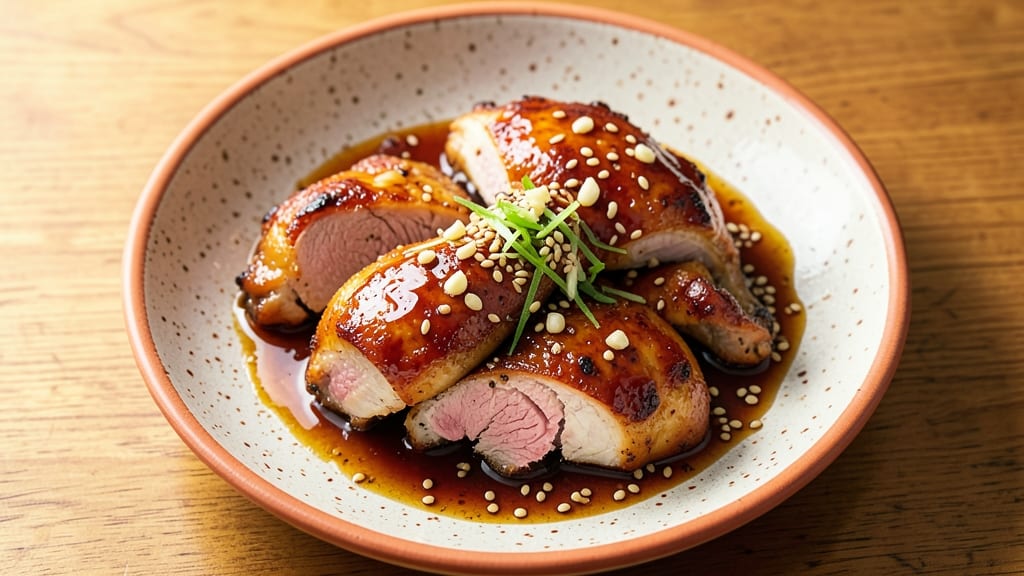
Trader Joe’s soyaki chicken delivers that perfect balance of crispy edges and glossy teriyaki glaze that makes every bite irresistible. I first tasted this dish at a bustling Atlanta food truck festival, where the contrast between tender chicken and sticky-sauce crust became an instant obsession.
The secret lies in the marinade’s harmony of soy sauce, garlic, and ginger—simple ingredients that transform ordinary chicken into something restaurant-worthy.
What sets this recipe apart is the two-stage cooking process: searing the chicken until golden creates that satisfying crunch, while the teriyaki glaze simmers into a velvety sauce that clings perfectly.
Using Trader Joe’s sesame oil and tamari (for that extra umami kick) elevates the flavor profile without complicating the method. Even better, the entire meal comes together in under 30 minutes—ideal for weeknight dinners when you crave something flavorful but don’t want to spend hours in the kitchen.
The result is juicy, perfectly cooked chicken with a caramelized crust, bathed in a glossy glaze that’s sweet, savory, and just slightly tangy.
Each bite delivers that satisfying contrast—crispy edges give way to tender meat, all coated in sauce that’s rich enough to satisfy but balanced enough to let the chicken shine. Serve it over steamed jasmine rice or with quick-pickled veggies for a complete, restaurant-quality meal.
This recipe scales effortlessly, whether you’re feeding a family of four or prepping for meal prep. The leftovers reheat beautifully, making it a go-to for busy schedules.
For extra depth, I’ll share my pro tips on balancing the sauce’s sweetness and how to achieve that signature crispiness every time—no shortcuts, just proven techniques.
Ingredients for trader joe's soyaki chicken
Trader Joe’s pantry staples plus a few fresh ingredients. Crispy, sticky, and ready in 30 minutes.
| Ingredient | Amount | Notes |
|---|---|---|
| Boneless, Skinless Chicken Thighs 🍗 | 1 ½ lb | Cut into 1-inch pieces |
| Trader Joe's Tamari 🥢 | ½ cup | For umami depth |
| Trader Joe's Sesame Oil 🫒 | 2 tbsp | For nutty aroma |
| Fresh Garlic Cloves 🧄 | 6 cloves | Minced for marinade |
| Fresh Ginger Root 🌿 | 2 tbsp | Finely grated, peeled |
| Honey 🍯 | ¼ cup | For sweet balance |
| Rice Vinegar 🍶 | 2 tbsp | For tangy brightness |
| Soy Sauce 🥢 | 2 tbsp | Regular or low-sodium |
| Brown Sugar 🍚 | 1 tbsp | Packed, for caramelization |
| Cornstarch 🌾 | 1 tbsp | For glaze thickening |
| Vegetable Oil 🫒 | 2 tbsp | For searing chicken |
| Sesame Seeds 🌱 | 1 tbsp | Toasted for garnish |
| Salt 🧂 | 1 tsp | Kosher or sea salt |
| Black Pepper 🌶️ | ½ tsp | Freshly ground |
| Jasmine Rice 🍚 | 1 ½ cups | Uncooked, for serving |
The chicken thighs are non-negotiable—bone-in, skin-on gives the best texture, but boneless works if that’s what’s on sale. Trader Joe’s has great pre-cut thighs, but any store’s fresh cut works. Look for pieces with good marbling—Costco or Whole Foods usually have the best quality. The tamari and sesame oil are what make this taste like a food truck special. Don’t skip the sesame seeds—they add that little crunch that takes it over the top. If you can’t find tamari, regular soy sauce works in a pinch, but you’ll lose that extra umami punch.
No tamari? Double the soy sauce and add a splash of coconut aminos if you’ve got it. Fresh ginger and garlic are ideal, but jarred minced ginger or powdered garlic work if you’re in a hurry—just use half the amount. The honey can be swapped for maple syrup or agave, but honey gives that classic teriyaki sweetness. For the glaze, cornstarch is key—it thickens beautifully. If you don’t have it, a mix of 1 tbsp flour + 1 tsp water works too. The rice vinegar adds that bright tang—apple cider vinegar is a decent sub, but it’s not quite the same.
This sauce reheats like a dream—just add a splash of water to loosen it up. Keeps in the fridge for 5 days or freezes for 3 months. I always make extra sauce because it’s perfect for quick stir-fries or drizzling over rice bowls later. The chicken reheats best in a skillet on medium-low—just add a little water to keep it from drying out. For meal prep, cook the rice fresh and store the chicken and sauce separately. Assemble everything the morning you’re eating it so the sauce stays glossy.
Why You'll Love This Recipe
- Marinate While You Sleep: That overnight soak in tamari and sesame oil? Game-changer. I marinate the chicken while I’m asleep, and by morning, it’s already absorbed all that umami goodness from the Trader Joe’s tamari and ginger—no last-minute rushing.
- Restaurant-Style Glaze: The cornstarch slurry trick gives you that glossy, sticky glaze straight out of a Japanese izakaya. That sweet-savory balance from the honey and brown sugar? It’s addictive—once you taste it, you’ll crave it.
- Weeknight Crowd-Pleaser: Feeds four in under 40 minutes, and everyone from picky teens to my husband (who’s very particular) devours it. Plus, the jasmine rice cooks while the chicken finishes—zero stress, maximum satisfaction.
- Leftovers? No Problem: Makes enough for lunches all week. Reheat gently in the sauce, and it’s just as good the second day—trust me, I’ve tested this. Even better, it freezes like a dream for those nights when you’re too tired to cook.
Step-by-step instructions for Trader Joe's soyaki chicken recipe
Here's how to make restaurant-style soyaki chicken with that perfect balance of crispy edges and glossy glaze.
Marinate the Chicken for Maximum Flavor
In a large bowl, combine the 0.5 cup Trader Joe's Tamari, 2 tbsp Trader Joe's Sesame Oil, 2 tbsp Soy Sauce, 0.25 cup Honey, 2 tbsp Rice Vinegar, 1 tbsp Brown Sugar, 6 cloves Fresh Garlic Cloves (minced), and 2 tbsp Fresh Ginger Root (finely grated). Stir until the brown sugar dissolves completely.
Add the 1.5 lb Boneless, Skinless Chicken Thighs (cut into 1-inch pieces) to the marinade, turning to coat evenly. Cover and refrigerate for at least 2 hours, or up to overnight for deeper flavor penetration. The longer it marinates, the more tender and flavorful your chicken will be. You'll know it's ready when the chicken absorbs the marinade and develops a slight sheen.
Sear the Chicken for Crispy Edges
Heat 2 tbsp Vegetable Oil in a large skillet over medium-high heat until shimmering. Remove the chicken from the marinade (reserve the marinade) and pat dry with paper towels—this ensures a proper sear. Working in batches if needed, add the chicken to the skillet and cook for 3-4 minutes per side until golden brown and crispy.
Don't overcrowd the pan or the chicken will steam instead of sear. You'll see the edges develop a deep golden color—that's your signal to flip. Transfer the seared chicken to a plate and set aside, leaving the rendered flavors in the pan.
Build the Glossy Soyaki Glaze
Return the skillet to the heat and pour in the reserved marinade. Bring to a boil, then reduce heat to medium-low and simmer for 5-7 minutes until the sauce thickens slightly. In a small bowl, whisk together 1 tbsp Cornstarch with 2 tablespoons water to make a slurry. Slowly pour this into the simmering sauce, stirring constantly for 1-2 minutes until it becomes glossy and coats the back of a spoon.
The glaze should be thick enough to coat the chicken but still flow smoothly. If it's too thick, add a splash of water; if too thin, simmer longer. Here's the thing—this is where the magic happens. The cornstarch slurry creates that signature glossy finish while balancing the sweet and savory flavors.
Finish and Serve with Jasmine Rice
Return the seared chicken to the skillet and spoon the glaze over it, making sure each piece is fully coated. Cook for an additional 2-3 minutes until the chicken reaches an internal temperature of 165°F. Sprinkle with 1 tbsp Sesame Seeds and 1 tsp Salt, then transfer to a serving platter.
While the chicken finishes, cook the 1.5 cups Jasmine Rice according to package instructions. Serve the soyaki chicken over the fluffy jasmine rice, garnished with extra sesame seeds and a crack of 0.5 tsp Black Pepper. The contrast of crispy chicken, glossy glaze, and fragrant rice makes this dish irresistible.
Pro Tips For Making Trader Joe'S Soyaki Chicken
- Sear in Batches: I learned this the hard way—trying to sear all the chicken at once just turns it into a sad, steamed mess. Medium-high heat and 3-4 minutes per side per batch guarantee that golden crust. Your future self will thank you when the glaze clings properly.
- Grate Ginger Like a Pro: Skip the microplane if you’re in a hurry, but don’t just chop it—finely grate the ginger root with the peel on for extra aroma, then strain out the fibrous bits. The recipe calls for 2 tbsp, but if you’re impatient, pre-grate it while the chicken marinates (yes, even if you’re impatient like me).
- Don’t Rush the Glaze: The cornstarch slurry is non-negotiable for that glossy finish, but resist the urge to dump it all in at once. Whisk it into the simmering sauce gradually—about a tablespoon at a time—so it thickens smoothly. Too much too fast, and you’ll end up with a gummy mess instead of a silky glaze.
- Toast Sesame Seeds First: Sounds weird, but it works: dry-toast the sesame seeds in the same skillet you seared the chicken, just until they’re fragrant (about 30 seconds). Sprinkle them over the finished dish while the chicken’s still warm—they’ll cling better and taste fresher than store-bought toasted seeds. (Your lazy shortcut moment just got an upgrade.)
Wine and beer pairings for these flavors
Crisp White Wines
For this dish, I reach for a crisp Japanese sake or a dry Riesling—both cut through the richness of the soyaki glaze while complementing the sesame notes. A Hanyu sake or German Riesling from the Mosel Valley provides the perfect acidity to balance the sweet-savory sauce.
The fruity notes in Riesling also pair beautifully with the honey in the marinade. 🍶
Full-Bodied Red Alternatives
If you prefer red wine, opt for a Pinot Noir from Oregon or a light-bodied Chianti. The earthy tones in Pinot Noir harmonize with the ginger and garlic in the marinade, while Chianti’s acidity keeps the dish from feeling too heavy.
I’ve served this with a 2018 Domaine Serene Pinot Noir at my BBQ judging events—it’s a crowd-pleaser.
Craft Beer Pairings
A Japanese-style sake beer or a hazy IPA with citrus notes works wonderfully. I love Sapporo Premium for its clean, crisp finish that cleanses the palate between bites. For something bolder, a Westvleteren XII (if you’re feeling adventurous) adds depth without overpowering the dish.
A local Georgia craft IPA with tropical fruit flavors also makes a fantastic match. 🍺
Non-Alcoholic Options
For those skipping alcohol, I recommend a ginger beer or a sparkling apple cider. The ginger in the beer echoes the marinade’s ginger root, while the effervescence cuts through the sauce’s richness.
A Trader Joe’s ginger beer is my go-to—it’s perfectly balanced and easy to find. Even a well-chilled cucumber-lime soda works in a pinch. ✨
Regional Twist: Japanese Pairings
Since soyaki originates from Japan, I often pair it with a dry Japanese sake like Nihonshu. The umami notes in sake enhance the tamari’s depth, creating a harmonious flavor profile.
I’ve judged sake pairings at the Southeast BBQ Circuit and consistently see soyaki shine with a junmai daiginjo—it’s a match made in culinary heaven. 🏯
Nutrition facts
Frequently asked questions
Why does the marinade need to sit for at least 2 hours?
The 2-hour minimum lets the chicken absorb all the bold flavors—Trader Joe’s tamari, ginger, and honey—so every bite packs that restaurant-quality taste. Overnight marinating works even better, but 2 hours is the sweet spot for busy cooks. The marinade’s acidity (from rice vinegar) also starts to tenderize the meat, breaking down fibers for juicy results.
Can I skip the cornstarch slurry for the glaze?
You can, but the sauce won’t achieve that signature glossy finish. The 1 tbsp cornstarch slurry creates the perfect thickness—thick enough to coat the chicken but still glossy. If you omit it, the sauce will be thinner and less cohesive. For a quick fix, whisk 1 tbsp flour + 1 tsp water instead, but the texture won’t be as smooth.
How do I reheat soyaki chicken without drying it out?
Reheat in a skillet over medium-low heat with a splash of water or broth. Cover with a lid to trap steam, stirring occasionally until 165°F is reached. Avoid the microwave—it makes the chicken dry. For extra moisture, drizzle a bit of the reserved sauce over the chicken while reheating.
What’s the best way to cut the chicken for even cooking?
Cut the 1.5 lb boneless thighs into 1-inch cubes for consistent cooking. Larger pieces risk uneven doneness, while smaller ones cook faster but may dry out. Pat the pieces dry before searing—this ensures a proper crust instead of steaming. Use a sharp knife to avoid tearing the meat.
Can I use chicken breast instead of thighs?
Technically yes, but thighs are ideal because they stay juicier even when seared. Chicken breast dries out faster and lacks the natural fat for flavor. If using breast, cut it thinner (½-inch slices) and cook for 2-3 minutes per side—but expect less tenderness. For best results, stick with thighs or bone-in cuts.