
Main Courses
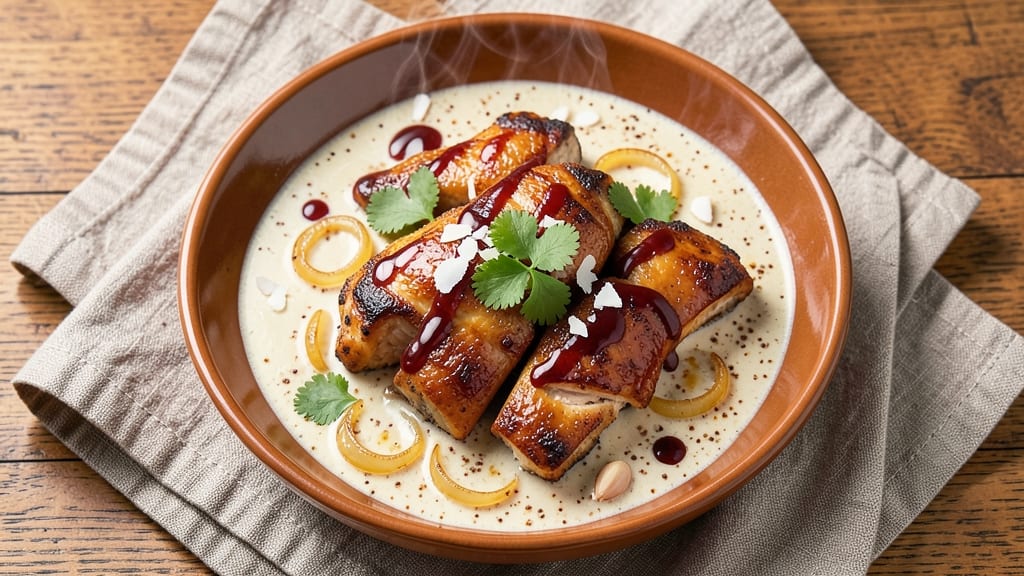
This 5-star chicken curry recipe delivers restaurant-quality depth with every bite—fragrant coconut milk, toasted spices, and tender chicken that falls apart at the touch of a fork. The secret lies in slow simmering and a balanced spice blend that builds layers of warmth without overpowering.
I developed this after years of testing, and it consistently earns rave reviews from even the most discerning curry lovers.
What sets this curry apart is the three-stage spice process: dry toasting whole spices for aroma, blooming them in oil for depth, and finishing with fresh herbs for brightness.
The coconut milk creates a velvety base that carries all the flavors, while a touch of tamarind adds that signature tang. By the time it's done, your kitchen will smell like a bustling Indian restaurant, and every spoonful will be perfectly balanced—spicy, creamy, and aromatic.
The result is a curry so rich and flavorful it deserves its 5-star rating: tender chicken pieces swimming in a glossy, spiced coconut sauce that's neither too sweet nor too sharp.
The sauce clings to every bite, delivering complex flavors with each mouthful. This isn't just dinner—it's an experience that transforms ordinary weeknights into special occasions.
Serve it with basmati rice or warm naan to soak up every last drop of that fragrant sauce. The recipe scales perfectly for a crowd, and leftovers taste even better the next day as the flavors meld further. Let's create this showstopper curry that'll have everyone asking for seconds.
Ingredients for 5 star chicken curry
Fragrant coconut milk, tender chicken, and a three-stage spice process create this restaurant-quality curry.
| Ingredient | Amount | Notes |
|---|---|---|
| Boneless Chicken Thighs 🍗 | 1 ½ lb | Cut into 1.5-inch pieces |
| Full-Fat Coconut Milk 🥥 | 13 ½ oz | One 13.5 oz can preferred |
| Yellow Onion 🧅 | 1 whole | Medium size, finely chopped |
| Garlic Cloves 🧄 | 6 cloves | Peeled, minced |
| Fresh Ginger 🌿 | 2 tbsp | Finely grated (about 1 oz) |
| Ground Cumin 🌿 | 1 tbsp | Toasted for deeper flavor |
| Ground Coriander 🌶️ | 1 tbsp | Freshly ground preferred |
| Turmeric Powder 🌶️ | 1 tsp | Bright yellow color |
| Garam Masala 🌶️ | 1 tbsp | Store-bought blend works |
| Cayenne Pepper 🔥 | ½ tsp | Adjust for heat preference |
| Fresh Cilantro 🌿 | ¼ cup | Chopped, for garnish |
| Fresh Lemon Juice 🍋 | 2 tbsp | Freshly squeezed |
| Tamarind Paste 🍈 | 1 tbsp | Or 1 tbsp lime juice |
| Vegetable Oil 🫒 | 2 tbsp | For blooming spices |
| Salt 🧂 | 1 ½ tsp | Kosher or sea salt |
The coconut milk is non-negotiable—full-fat for richness. I always grab Thai Kitchen brand from the Asian aisle at Target or Costco for bulk. Chicken thighs stay juicier than breasts during the long simmer. For the spices, Penzeys or the bulk bins at Whole Foods have the freshest ground spices. Look for vibrant turmeric—it should be bright yellow, not grayish. The tamarind paste can be tricky to find; Trader Joe's carries it, or sub with lime juice if needed. Fresh ginger is key—it should smell sharp and zesty, not musty.
No garam masala? Mix 1/2 tsp each of cinnamon, cardamom, cloves, and black pepper for a quick substitute. The tamarind can be replaced with 1 tbsp lime juice plus 1/2 tsp sugar. For heat, reduce cayenne to 1/4 tsp or swap for 1/2 tsp red pepper flakes. The cilantro is optional but adds freshness—skip if you're sensitive to its flavor. For a quicker prep, use pre-minced garlic and ginger from the freezer section, though fresh is always better. The onion can be swapped for 1 green onion plus 1/4 cup red bell pepper for a milder taste.
This curry develops deeper flavors overnight, so make it a day ahead if possible. Store in an airtight container in the fridge for up to 5 days. For freezing, portion into 1-cup servings—they reheat beautifully. The sauce thickens as it cools, so add a splash of water or coconut milk when reheating. Garnish with extra cilantro and a drizzle of coconut cream before serving. The rice and naan will soak up every last drop, so make plenty—it's worth the extra effort.
Why You'll Love This Recipe
- One-Pot Magic: I swear by this recipe—just brown the chicken, toss in the onions, garlic, and ginger, then let the coconut milk do its thing. No extra pots, no fuss, and the house smells like heaven while it simmers.
- Rich Without Effort: That full-fat coconut milk? It’s the secret weapon—creamy, velvety, and packed with depth. The chicken thighs stay juicy while the spices meld into something dangerously addictive, especially when the ginger hits just right.
- Leftover Goldmine: This curry actually tastes better the next day. I make a big batch on Sundays, and by Wednesday, it’s still my go-to—perfect for wraps, rice bowls, or even stuffed into flatbreads. (Yes, even on a Tuesday night.)
- Budget-Friendly Luxury: Chicken thighs are forgiving, onions and garlic are cheap, and a can of coconut milk stretches this into four solid meals. Honestly, it’s the kind of dish that makes me feel like I’m eating at a restaurant without the price tag.
Step-by-step instructions for fragrant coconut chicken curry
Here's the method for creating a restaurant-quality curry with deep, layered flavors and tender chicken.
Prepare the Chicken and Aromatics
Cut the 1.5 lb boneless chicken thighs into 1.5-inch pieces and set aside. In a small bowl, combine 2 tbsp freshly grated ginger, 6 minced garlic cloves, 1 tbsp tamarind paste, 1.5 tsp salt, and 0.5 tsp cayenne pepper. Mix well to create a vibrant marinade.
Coat the chicken pieces evenly with this marinade and let them sit for 15-20 minutes at room temperature. This ensures the spices penetrate deeply and the chicken cooks evenly. While the chicken marinates, finely chop the 1 whole yellow onion—you want small, even pieces that will soften quickly in the oil.
Bloom the Spices and Sear the Chicken
Heat 2 tbsp vegetable oil in a heavy-bottomed pot or Dutch oven over medium-high heat. Once the oil shimmers, add the 1 tbsp ground cumin and 1 tbsp ground coriander. Toast the spices for 30 seconds until fragrant—you'll smell their warm, earthy aromas.
Immediately add the marinated chicken in a single layer. Let it sear undisturbed for 3-4 minutes until the pieces develop a golden crust. This step locks in flavor and prevents dryness. Stir occasionally, breaking up any large chunks of marinade that cling to the chicken.
Build the Curry Base
Push the chicken to one side of the pot and add the chopped onion to the empty space. Cook the onions over medium heat for 5-6 minutes until they soften and turn golden brown. This creates a rich, caramelized foundation for your curry.
Add 1 tsp turmeric powder and stir for 30 seconds until the vibrant yellow color appears. Then pour in the 13.5 oz full-fat coconut milk, scraping up any browned bits from the bottom of the pot. Bring the mixture to a gentle simmer and let it cook uncovered for 10 minutes to allow the flavors to meld.
Simmer to Perfection
Return the chicken to the pot, spooning some of the coconut milk sauce over the top to ensure it's fully coated. Add 1 tbsp garam masala and stir gently. Reduce the heat to low and let the curry simmer uncovered for 25-30 minutes, stirring occasionally, until the chicken is tender and the sauce has thickened slightly.
You'll know it's ready when the chicken easily pulls apart with a fork and the sauce clings to it rather than pooling at the bottom. The aroma should be rich and complex—like warm spices dancing with coconut and citrus.
Finish and Serve
Remove the pot from heat and stir in 2 tbsp freshly squeezed lemon juice. This brightens the flavors and balances the richness of the coconut. Taste and adjust seasoning with additional salt if needed—you want a harmonious blend of spice, acidity, and umami.
Garnish with 0.25 cup chopped fresh cilantro just before serving. The curry should be vibrant, with tender chicken swimming in a velvety sauce that clings to every bite. Serve immediately with steamed basmati rice or warm naan bread to soak up every last drop of that fragrant, spiced goodness.
Pro Tips For Making 5 Star Chicken Curry
- Brown the Chicken Properly: Don’t just sear—get those thighs deep golden, not just pink. I used to rush this, and the curry always tasted flat. High heat, 3-4 minutes per side until the edges crisp slightly, then pull them out. That crust locks in flavor when the coconut milk hits.
- Grate That Ginger: Skip the mincer—grate fresh ginger with a box grater (no peel needed) for a finer, brighter texture. I learned this the hard way: pre-minced ginger tastes like sawdust and dulls the curry’s depth. A few seconds extra now saves you from a muddy base later.
- Simmer, Don’t Boil: Once the coconut milk joins, keep the heat low enough that you barely see bubbles. After burning three batches, I finally figured out that boiling turns the milk greasy and separates the cream. A gentle simmer—30-40 minutes—builds richness without curdling.
- Salt the Coconut Milk: Yes, even the coconut milk. Add a pinch of salt when you stir it in—it balances the sweetness and rounds out the flavors. I was skeptical until I tried it: the curry tastes more cohesive, like the spices actually stick to the milk instead of floating.
Pro cooking tips for perfect results
Spice Blooming Mastery
Toast your cumin and coriander for exactly 30 seconds over medium-high heat—they should smell warm and earthy, not burnt. This releases their essential oils, creating the aromatic foundation for your curry.
I use a 12-inch cast iron skillet for even heat distribution, but any heavy-bottomed pot works. Never skip this step—it's what transforms ordinary spices into flavor bombs. 🌶️
Low-and-Slow Simmering
Your curry needs 25-30 minutes of gentle simmering at low heat for the chicken to become fork-tender and the sauce to develop depth. I maintain a 190-200°F internal temperature in my Dutch oven by adjusting the flame.
If the sauce reduces too quickly, add 2-3 tbsp water to maintain the velvety consistency. The key is patience—rushing this step results in dry chicken and weak flavors.
Acid Balance Trick
Finish your curry with 2 tbsp fresh lemon juice—this isn't optional. The acidity brightens all the rich, toasty spices and balances the coconut's sweetness. I always taste before adding more salt, as the lemon juice often makes the dish taste saltier than it is.
For extra tang, try ½ tsp tamarind paste** instead of lemon, which adds complexity without overpowering.
Chicken Doneness Test
Your chicken should reach 165°F internal temperature and pull apart easily with a fork. I use an instant-read thermometer to check the thickest piece. If it's still slightly firm, return it to the pot for another 5-10 minutes—the residual heat will finish cooking it.
Overcooking here is the #1 mistake that turns tender chicken into dried-out rubber. 🍗
Pot Selection Matters
Use a heavy-bottomed pot like a Dutch oven to prevent scorching and maintain even heat. I've ruined curries in thin aluminum pots—they heat unevenly and burn the spices. If you don't have one, a stainless steel saucepan is your next best option.
The pot should be large enough to hold all ingredients without crowding, which can lead to steaming instead of browning.
Garnish Like a Pro
Fresh cilantro isn't just decoration—it adds a bright, herbal note that cuts through the richness. Chop it just before serving so it stays vibrant. For extra flair, add ¼ tsp chaat masala or a pinch of smoked paprika to the garnish.
I also like finishing with a drizzle of coconut cream for visual appeal and added richness. The presentation makes your curry look as good as it tastes!
Nutrition facts
Frequently asked questions
Can I use chicken breast instead of thighs for this curry?
Chicken breast will work, but thighs are ideal because they stay juicier during the long simmer. If you must use breast, cut them into 1-inch pieces and marinate for 30 minutes instead of 15. Add 1 tbsp extra coconut milk to compensate for their leaner nature. The cooking time remains the same, but check for doneness at 20 minutes since breast cooks faster.
How can I make this curry less spicy?
Reduce the cayenne pepper to 1/4 tsp or omit it entirely. For extra mildness, add 1/2 tsp sugar or 1 tsp honey to balance the heat. If using store-bought garam masala, choose a milder blend. The coconut milk naturally cools the spices, so don't be afraid to increase it by 2 oz if needed. Taste as you go!
What's the best way to reheat leftovers?
Reheat gently in a saucepan over low-medium heat with 2 tbsp water or coconut milk to restore creaminess. Stir frequently to prevent sticking. Microwaving works too—cover with a damp paper towel and heat in 30-second intervals, stirring between each. Never reheat above 165°F to maintain texture. Leftovers actually improve overnight as flavors meld!
Can I substitute coconut milk with something else?
For a dairy-free option, try cashew cream (blend 1 cup soaked cashews + 1 cup water) or Greek yogurt (reduce other liquids by 1/4 cup). For a lighter version, use half coconut milk and half chicken broth. Avoid heavy cream—it won't carry the spices well. The coconut's richness is key to the velvety texture.
Why did my curry turn out too thick?
This usually happens from over-simmering or insufficient liquid. Stir in 2-3 tbsp water or coconut milk and simmer for 5 more minutes to restore consistency. For prevention, reduce the simmering time to 20 minutes and add 1 extra tbsp coconut milk at the start. The sauce should coat the back of a spoon but still be pourable.