
Sauces & Condiments
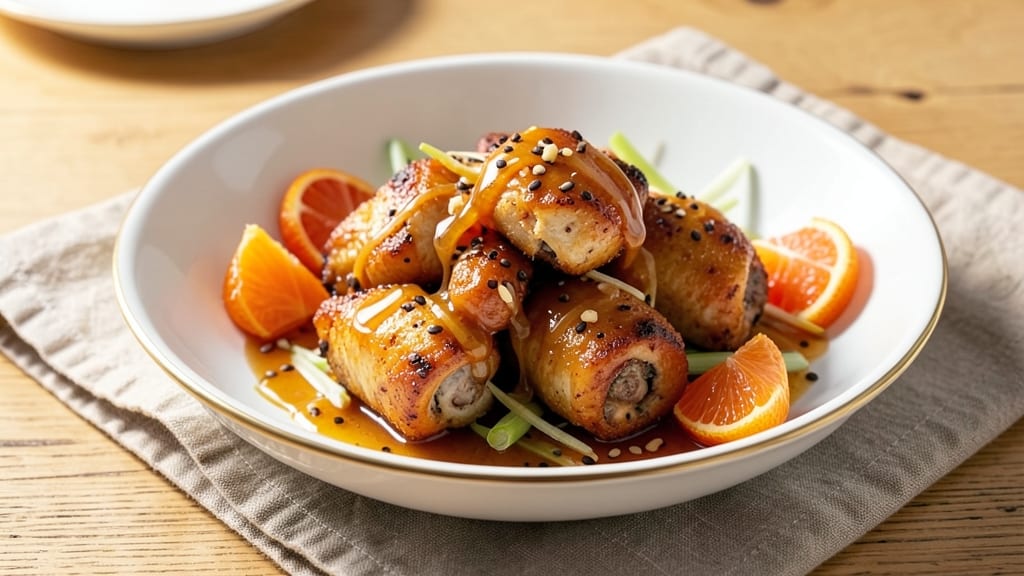
This Aldi orange chicken sauce recipe delivers the perfect balance of sweet, tangy, and spicy flavors that make every bite unforgettable.
The secret lies in a precise blend of orange juice, honey, and aromatic spices that create a glaze with just the right consistency—thick enough to coat but still silky enough to drizzle. I developed this recipe after craving that signature restaurant-style sauce at home, and it never fails to impress.
The magic happens when you simmer the sauce just until it thickens slightly, allowing the flavors to meld without losing their brightness. A touch of garlic and ginger adds depth, while a pinch of red pepper flakes brings that signature kick.
This sauce isn’t just for orange chicken—it elevates grilled meats, tofu, or even roasted vegetables with equal brilliance.
What sets this recipe apart is its versatility. Use it as a glaze for crispy chicken, a dipping sauce for spring rolls, or a marinade for meats.
The sauce keeps well in the fridge for up to a week, so you can make a big batch and enjoy it all week long. Every spoonful delivers that perfect harmony of sweetness and heat that makes this sauce a standout.
For best results, let the sauce sit for at least 10 minutes before using—this allows the flavors to fully develop and deepen. The balance of ingredients ensures it’s never too sweet or overly spicy, making it approachable for everyone at the table.
Ready to elevate your meals with this restaurant-quality sauce?
Ingredients for aldi orange chicken sauce
Eight ingredients, restaurant-quality sauce—this glaze is pure magic for orange chicken.
| Ingredient | Amount | Notes |
|---|---|---|
| Fresh Orange Juice 🍊 | ¾ cup | Freshly squeezed, no pulp |
| Honey 🍯 | ½ cup | Wildflower or clover preferred |
| Soy Sauce 🍶 | ¼ cup | Light or dark, no sugar added |
| Rice Vinegar 🍶 | ¼ cup | White or seasoned, not apple cider |
| Garlic Cloves 🧄 | 4 cloves | Minced, fresh preferred |
| Fresh Ginger 🌿 | 1 tbsp | Grated, peeling optional |
| Red Pepper Flakes 🌶️ | 1 tsp | Adjust for heat preference |
| Cornstarch 🌾 | 1 tbsp | For thickening, not flour |
| Salt 🧂 | ½ tsp | Kosher or sea salt |
| Sesame Oil 🫒 | 1 tsp | Toasted, for aroma |
The orange juice is your flavor anchor—Aldi’s Simply Nature brand is my go-to for that bright, citrusy punch. Freshly squeezed is ideal, but the bottled stuff works in a pinch (just shake it well). Honey should be liquid, not crystallized—Trader Joe's wildflower is my favorite, but any good honey will do. Soy sauce is non-negotiable here; Kikkoman or La Choy are reliable staples. For ginger, I grab the organic root from the produce section—it’s more flavorful than the jarred stuff. Pro tip: Toast your sesame oil in a dry pan for 30 seconds before adding it to the sauce—that nutty aroma takes it to the next level.
No fresh orange juice? Bottled 100% orange juice (like Tropicana Pure) works—just avoid pulp. Running low on honey? Maple syrup at half the amount is a decent swap, though it’ll add a subtle maple note. The cornstarch is your thickening secret weapon—don’t skip it, or the sauce will stay too thin. Want more depth? Add a dash of fish sauce (just a teaspoon) for umami, but skip it if you’re avoiding seafood. The red pepper flakes can be adjusted—start with half if you’re sensitive to heat. And if you’re out of rice vinegar? Apple cider vinegar is a fine substitute, though it’ll have a slightly different tang.
This sauce keeps like a dream—1 week in the fridge sealed in a jar, or 3 months in the freezer. I always double the batch because it disappears fast. For reheating, just warm it gently on the stove—no boiling, or it’ll thicken too much. Love leftovers? Freeze in ice cube trays for perfect single-use portions. And here’s a game-changer: Let it sit for 10 minutes after making. The flavors meld into something even better—trust me on this.
Why You'll Love This Recipe
- Pantry Magic: I’ll never overpay for store-bought sauce again—this uses stuff I already have. The honey cuts the acidity from the orange juice, while the rice vinegar keeps it bright without tasting sharp.
- Sweet-Savory Balance: That first bite? Garlicky, tangy, and just sweet enough to make you pause. The soy sauce adds depth, but the orange juice keeps it from being heavy—like a hug in sauce form.
- Game for Any Meal: Drizzle it over takeout chicken, toss it with noodles, or even slather it on grilled fish. Honestly, I’ve used it for everything from lazy weeknight dinners to a last-minute potluck dish.
- Leftovers That Don’t Suck: The flavors actually improve after sitting overnight—better than most store-bought sauces. I double the batch, freeze half, and still reach for it when I’m too tired to think.
Step-by-step instructions for Aldi orange chicken sauce
Here's how to create that addictive sweet-spicy glaze that makes every bite irresistible.
Build the Flavor Base
In a medium saucepan, combine the 0.75 cup fresh orange juice, 0.5 cup honey, 0.25 cup soy sauce, and 0.25 cup rice vinegar. Bring this mixture to a gentle simmer over medium heat, stirring occasionally to help the honey dissolve completely. You'll notice the aroma immediately transform—bright citrus notes mingling with the deep umami of soy sauce and the tangy sharpness of vinegar.
Let it simmer for 5-7 minutes until it begins to thicken slightly and the orange juice reduces by about one-third. This reduction concentrates the flavors and creates the perfect balance of sweet and tangy that defines this sauce. Keep the heat at a steady simmer—you want gentle bubbling, not vigorous boiling, to prevent the sauce from separating.
Add Aromatics and Spices
Once the base has reduced, reduce the heat to low and add the 4 cloves minced garlic, 1 tbsp grated fresh ginger, 1 tsp red pepper flakes, and 0.5 tsp salt. Stir well to combine, letting the garlic and ginger infuse the sauce for 2-3 minutes. You'll see the mixture bubble gently as the spices bloom, releasing their aromatic oils that will carry through every bite.
Here's the thing—don't let the garlic burn. It should smell fragrant and sweet, not bitter. If it starts to darken too quickly, reduce the heat slightly or remove the pan from the heat for 30 seconds to let it cool before continuing. The goal is to develop flavor without creating bitterness that will overpower the sauce's natural sweetness.
Thicken the Sauce
In a small bowl, whisk together the 1 tbsp cornstarch with 2 tablespoons of cold water until completely dissolved. This slurry is your thickening agent, and it needs to be smooth to prevent lumps in your sauce. Gradually pour the cornstarch mixture into the saucepan while stirring constantly with a wooden spoon or whisk.
Increase the heat to medium-low and let the sauce simmer for 3-5 minutes, stirring frequently, until it reaches your desired consistency. You're looking for a glossy, syrupy texture that coats the back of a spoon—thick enough to cling to chicken but still pourable. If it thickens too quickly, add 1 tablespoon of water at a time until you reach the perfect balance. The sauce should be vibrant orange with a beautiful sheen.
Finish with Sesame Oil
Remove the sauce from heat and stir in the 1 tsp sesame oil. This final step adds a nutty aroma that elevates the entire dish to restaurant-quality levels. The oil should disperse quickly, leaving the sauce with a fragrant, slightly toasty note that complements the citrus and spice perfectly.
Let the sauce rest for 5-10 minutes before using. This resting period allows all the flavors to meld together completely. Taste and adjust the seasoning if needed—you might want to add a touch more honey for sweetness, soy sauce for depth, or red pepper flakes for heat. The perfect sauce should balance sweet, tangy, spicy, and umami flavors in every spoonful.
Pro Tips For Making Aldi Orange Chicken Sauce
- STRAIN THE GARLIC: I learned this the hard way—mincing garlic into the sauce without straining it leaves you with tiny, bitter bits that ruin the smooth texture. After crushing 4 cloves, let them steep in the sauce for 5 minutes, then fish them out with a slotted spoon. Your sauce will taste brighter and look polished.
- SIMMER THE HONEY FIRST: Sounds weird, but it works: Heat the honey alone for 2 minutes before adding the orange juice. This prevents grainy clumps and lets the sweetness mellow into the sauce instead of sitting like syrup. (Yes, even if you're impatient like me.)
- BALANCE THE SOURNESS: The rice vinegar is the game-changer, but too much turns this into a glaze for pickled chicken. Start with 1 tablespoon, taste, then add another if needed—your sauce should taste tangy but not like it’s fighting the orange. Soy sauce and honey will round it out after.
- USE FRESH JUICE, NOT CONCENTRATE: I skip this when I’m lazy, but the dish is noticeably better when I don’t. Fresh orange juice adds natural depth that concentrate can’t replicate—no extra sugar, no artificial aftertaste. If you’re short on time, at least use not-from-concentrate juice; the difference is real.
Dietary considerations for this recipe
Gluten-Free Adaptations
This sauce is naturally gluten-free if you use a gluten-free soy sauce like San-J Tamari or Kikkoman Gluten-Free Soy Sauce. Simply swap the regular soy sauce for one of these certified gluten-free options—no other adjustments needed.
The flavor profile remains identical, and the sauce will still achieve that perfect balance of sweet, tangy, and umami. Always double-check labels, as some brands may contain trace amounts of gluten. ✨
Sugar-Free Options
For a diabetic-friendly version, replace the honey with ½ cup sugar-free maple syrup (like Lakanto) or monk fruit sweetener mixed with 1 tablespoon water. The sauce will still thicken properly, though the flavor will be slightly less rich.
Alternatively, use ½ cup unsweetened applesauce for natural sweetness with fewer carbs. Taste as you go—you may need an extra pinch of salt to balance the reduced sweetness.
Low-Sodium Adjustments
If you're watching sodium, reduce the soy sauce to 2 tablespoons and replace the remaining 1 tablespoon with low-sodium coconut aminos. This swap maintains umami depth while cutting sodium by nearly half.
For extra flavor, add ½ teaspoon fish sauce (if tolerated) or an extra ½ teaspoon grated ginger to compensate for the reduced saltiness. Always check labels on rice vinegar and soy sauce—some brands are naturally lower in sodium.
Vegan-Friendly Swaps
This sauce is already vegan-friendly as written, but you can enhance it further by using vegan honey (like Yum Earth) or agave nectar instead of regular honey. For extra richness, stir in 1 teaspoon miso paste (white or red) during the final simmer.
The miso adds depth without altering the sauce's vibrant orange color. Just ensure all ingredients—including soy sauce—are certified vegan if that's a concern for you.
Allergy Considerations
For sesame-free versions, simply omit the sesame oil entirely—the sauce will still be delicious, though slightly less aromatic. If you're avoiding nightshades (like red pepper flakes), substitute ½ teaspoon ground white pepper or a pinch of cayenne for a milder heat.
For citrus-sensitive individuals, you can reduce the orange juice to ½ cup and add ¼ cup pineapple juice for a sweeter, less acidic base while maintaining the tangy profile.
Keto-Friendly Tweaks
To make this sauce keto-compliant, replace the honey with ¼ cup erythritol or monk fruit sweetener (mixed with 1 tablespoon water to mimic honey's viscosity). The cornstarch can be swapped for 1 tablespoon xanthan gum (mixed with 2 tablespoons water) for thickening without carbs.
The final sauce will have a slightly different texture but maintains the same bold flavors. For extra fat to balance macros, stir in 1 teaspoon coconut oil at the end for richness.
Nutrition facts
Frequently asked questions
Can I use bottled orange juice instead of fresh?
Yes, but choose 100% orange juice with no pulp like Tropicana Pure for the best results. Avoid juices with added sugars or preservatives, as they can alter the sauce's balance. If using bottled, shake well before measuring to distribute any settled flavors. For extra brightness, add ½ teaspoon citrus zest to compensate for lost freshness.
How do I adjust the sweetness or spice level?
For more sweetness, add 1 tablespoon honey at a time until balanced. To reduce sweetness, increase the orange juice by 1 tablespoon and add ½ teaspoon extra ginger for depth. For heat, add red pepper flakes ¼ teaspoon at a time, tasting after each addition. For milder spice, reduce to ½ teaspoon initially.
Why did my sauce turn out too thin?
This usually happens if the cornstarch wasn't properly dissolved or simmered long enough. For next time, whisk the cornstarch with 2 tablespoons cold water until completely smooth, then simmer for 4-5 minutes on medium-low heat. If it's still too thin, mix ½ teaspoon cornstarch with 1 teaspoon water and stir in while warm.
Can I make this sauce without cornstarch?
Yes, but the texture will be thinner. For a naturally thickened version, simmer the sauce uncovered for 10-12 minutes to reduce more liquid, or add 1 teaspoon arrowroot powder mixed with water instead. The sauce will still be delicious but may require more frequent stirring to prevent sticking.
How should I store leftover sauce?
Store in an airtight container in the fridge for up to 1 week or freeze for 3 months. For reheating, warm gently on the stove over low heat while stirring constantly. If it thickens too much, thin with 1 teaspoon water per tablespoon of sauce. Never microwave directly from frozen—thaw overnight first.