
Main Courses
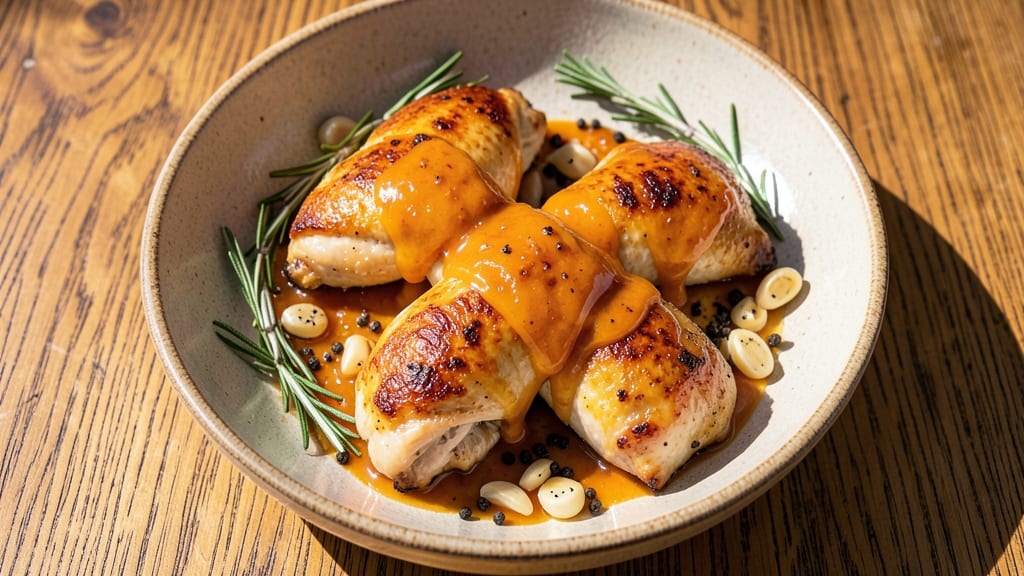
This baked chicken in orange juice recipe delivers crispy skin and tender, citrus-kissed meat that transforms an ordinary weeknight dinner into something special.
The secret lies in marinating the chicken in bright orange juice, which tenderizes the meat while infusing it with natural sweetness and acidity that caramelizes beautifully during baking. After years of perfecting this technique, I can confidently say this method elevates simple chicken into a restaurant-worthy centerpiece.
The process is straightforward yet effective: chicken thighs or breasts are marinated for at least 30 minutes (or overnight for deeper flavor), then baked at a precise temperature to ensure the skin becomes golden brown and shatteringly crisp.
The orange juice doesn't just flavor the chicken—it creates a sticky, caramelized glaze during baking that adds a subtle sweetness and prevents dryness. This technique works equally well for juicy thighs or leaner breasts, making it versatile for any meal.
By the time it emerges from the oven, you'll have chicken with perfectly crispy skin that gives way to tender, juicy meat infused with bright citrus notes.
The aroma alone will have everyone gathering at the table, and the first bite delivers a balance of savory, sweet, and tangy flavors that make this dish unforgettable. The orange juice marinade also adds a beautiful golden hue to the chicken, making it visually appealing as well as delicious.
Serve this citrus-baked chicken with complementary sides like roasted vegetables, garlic mashed potatoes, or a fresh green salad to complete the meal. The bright acidity of the orange cuts through richer dishes, creating a harmonious balance.
This recipe is perfect for family dinners, holiday gatherings, or whenever you want to impress with minimal effort. Let's get started!
Ingredients for baked chicken orange juice
Citrus-forward ingredients transform ordinary chicken into restaurant-quality centerpiece with crispy skin and tender meat.
| Ingredient | Amount | Notes |
|---|---|---|
| Boneless, Skin-On Chicken Thighs 🍗 | 1 ½ lb | Cut into even 6-8 pieces for uniform cooking |
| Freshly Squeezed Orange Juice 🍊 | 1 cup | Use 100% pure, no pulp preferred |
| Extra-Virgin Olive Oil 🫒 | 2 tbsp | For crispy skin development |
| Garlic Cloves 🧄 | 4 cloves | Minced for marinade infusion |
| Diamond Crystal Kosher Salt 🧂 | 1 ½ tsp | Adjusts to taste after baking |
| Freshly Ground Black Pepper 🌶️ | ½ tsp | Cracked peppercorns preferred |
| Dried Thyme 🌿 | 1 tsp | Or 1 tbsp fresh thyme stems removed |
| Granulated Sugar 🍚 | 1 tbsp | Enhances caramelization |
| Cornstarch 🌾 | 1 tbsp | For extra crispy skin texture |
| Fresh Lemon Juice 🍋 | 1 tbsp | Brightens citrus flavor balance |
| Unsalted Butter 🧈 | 2 tbsp | Melted for basting during baking |
The orange juice is non-negotiable for authentic flavor—freshly squeezed beats bottled every time. For maximum brightness, use navel or Valencia oranges from Whole Foods or your local farmers market. The thyme should be fragrant, not dusty; if it smells stale, replace it. Garlic matters here—freshly minced releases more flavor than jarred. For the chicken, thighs deliver juicier results than breasts, though both work. If using breasts, pound them to even thickness for consistent cooking. Costco often sells pre-cut thighs at a better price than individual pieces at regular grocery stores.
No fresh orange juice? Freshly squeezed grapefruit juice works in a pinch, though the flavor profile shifts slightly. Bottled orange juice will work if it's 100% pure with no added sugars, but expect less vibrant color and flavor. Substitute dried thyme at one-third the amount of fresh, but fresh is ideal. Out of cornstarch? Use all-purpose flour at the same ratio for crispiness, though texture will differ slightly. The sugar enhances caramelization—don't skip it, but if you're watching carbs, reduce to 1 tsp. For extra crispiness, butterfly the thighs by cutting through the skin to the meat before baking, creating more surface area for browning.
This recipe reheats beautifully—450°F oven for 5-7 minutes revives the crispy skin. Store cooked chicken in an airtight container for up to 3 days in the fridge or 3 months frozen. Marinated raw chicken keeps for 24 hours in the fridge, though overnight marinating yields deeper flavor. For meal prep, bake an extra batch—the citrus marinade keeps well, and you can reheat portions separately. Leftovers taste even better the next day as flavors meld further. Freeze in portions for quick weeknight meals, thawing overnight in the fridge before reheating.
Why You'll Love This Recipe
- Five-Ingredient Magic: I swear by this combo—juicy thighs, bright orange juice, and garlic in the oven? It’s the kind of dish where you almost feel guilty for how little effort it takes.
- Crispy Juicy Perfection: That skin-on thigh? It gets golden and crackly while staying tender inside—no dry chicken here. The orange juice keeps it moist, and the olive oil? It’s the secret to that irresistible shine.
- Weeknight to Dinner Party: Honestly, this works for everything. Toss it together for a lazy Tuesday or dress it up with fresh herbs for guests. The same flavors shine whether it’s casual or fancy.
- Leftovers That Don’t Suck: Between us, most baked chicken turns sad by day three. Not this. The orange marinade keeps it flavorful, and the thighs reheat like they’re fresh—no sad, dry bites here.
Step-by-step instructions for baked chicken in orange juice
Here's how to achieve that coveted crispy skin while infusing the meat with bright citrus notes.
Prepare and Marinate the Chicken
Cut the 1.5 lb boneless, skin-on chicken thighs into 6-8 even pieces, ensuring the skin remains intact. Pat them completely dry with paper towels—this is crucial for crispy skin development. In a bowl, combine the 1 cup freshly squeezed orange juice, 2 tbsp extra-virgin olive oil, minced 4 cloves garlic, 1.5 tsp diamond crystal kosher salt, 0.5 tsp freshly ground black pepper, 1 tsp dried thyme, and 1 tbsp granulated sugar. Whisk until fully dissolved.
Place the chicken pieces in a resealable plastic bag and pour the marinade over them. Seal the bag and massage the marinade into the chicken, ensuring every piece is coated. Let it marinate in the refrigerator for at least 30 minutes (up to 4 hours for deeper flavor). The acidity in the orange juice will begin tenderizing the meat while the sugar and salt work to create that crispy exterior.
Create the Cornstarch Coating
In a small bowl, mix together 1 tbsp cornstarch and 1 tbsp fresh lemon juice. This combination creates a light, crispy crust that enhances the natural browning of the chicken skin. Remove the chicken from the marinade (reserve the marinade for basting) and pat it dry again with paper towels—any moisture will prevent proper crisping.
Lightly coat each chicken piece with the cornstarch mixture, pressing gently to ensure even coverage. The cornstarch will form a delicate barrier that promotes caramelization and crispiness when baked. Arrange the coated chicken pieces on a wire rack set over a baking sheet—this allows hot air to circulate evenly on all sides, preventing steaming.
Bake for Maximum Crispiness
Preheat your oven to 425°F. Place the wire rack with chicken in the center of the oven and bake for 20 minutes. After 20 minutes, carefully flip each piece of chicken and baste with the reserved marinade. Return to the oven and bake for another 15-20 minutes, until the skin is deep golden brown and crispy, and the internal temperature reaches 165°F.
The key here is patience—don't rush the baking process. The high heat combined with the cornstarch coating will create that signature crispy skin while the citrus marinade keeps the meat juicy and flavorful. If the skin starts browning too quickly, tent the baking sheet loosely with aluminum foil to prevent burning.
Finish with Butter and Rest
Once the chicken reaches the proper internal temperature, remove it from the oven and transfer to a serving platter. Immediately melt the 2 tbsp unsalted butter in a small saucepan over low heat, then pour it over the chicken, letting it drip down the sides. This step adds richness and helps create a glossy finish.
Let the chicken rest for 5-10 minutes before serving. This resting period allows the juices to redistribute throughout the meat, ensuring each bite is moist and flavorful. The crispy skin should hold its shape, and the citrus notes should be bright and balanced with the savory chicken.
Pro Tips For Making Baked Chicken Orange Juice
- CRISP THE SKIN FIRST: Pat those thighs bone-dry with paper towels before baking, then hit them with a pinch of salt and let them sit for 10 minutes. I learned this the hard way—skipping this step means your skin stays sad and limp, no matter how much orange juice you drown it in later. Trust me, the first 20 minutes at 425°F are where the magic happens.
- USE PASTEURIZED JUICE: Fresh-squeezed orange juice is ideal, but if you’re using store-bought, grab the pasteurized kind—raw juice can make your chicken taste bitter and turn the pan into a science experiment. I once used cold-pressed juice straight from the carton and ended up with chicken that tasted like a citrus cleaning product. Not a vibe.
- DON’T OVERMIX THE GARLIC: Mince those cloves finely—not paste-like, not whole—then toss them with olive oil and salt before rubbing them on the chicken. Over-mincing turns the sauce into garlic-flavored sludge, and whole cloves just sit there like awkward guests. A quick pulse in the food processor gets you just the right texture without turning your dish into a mason jar of garlic confetti.
- BAKE IN TWO BATCHES: Crowding the pan steams the chicken instead of browning it, and you’ll end up with soggy skin and a watery sauce. I know, it’s tempting to throw everything in at once, but split those thighs onto two separate sheets—your future self will thank you when the skin is crisp and the orange glaze caramelizes instead of turning to soup.
Pro cooking tips for great baked chicken orange juice
Citrus Marinade Mastery
The orange juice marinade is where the magic happens—its acidity tenderizes the chicken while the sugar and garlic create a flavor bomb. I’ve found that using freshly squeezed navel oranges (from Whole Foods or your local market) makes all the difference—bottled juice lacks the vibrant brightness.
For maximum impact, marinate the chicken for at least 30 minutes, but if you have time, 4 hours lets the flavors truly meld. 🍊
Pro tip: Don’t skip the sugar—it’s not just for sweetness. The 1 tbsp granulated sugar in the marinade caramelizes during baking, creating a sticky, glossy crust that locks in moisture and adds depth.
If you’re watching carbs, reduce it to 1 tsp, but the flavor will be slightly less complex. Also, pat the chicken bone-dry before marinating—any moisture on the skin will steam instead of crisp during baking.
Cornstarch Crispy Hack
The cornstarch coating is my secret weapon for that shatteringly crisp skin. Mix 1 tbsp cornstarch with 1 tbsp lemon juice—the acid helps activate the starch, creating a light, crispy crust. Apply it just before baking (after marinating) and press it gently into the skin.
For even crispiness, use a wire rack over a baking sheet—this lets hot air circulate on all sides, preventing soggy skin. 🌾
No cornstarch? All-purpose flour works in a pinch, but the texture won’t be as delicate. If you’re feeling fancy, try rice flour for an even lighter crisp.
And here’s a game-changer: Butterfly the thighs (cut through the skin to the meat) before coating—this creates more surface area for browning and crisping. It’s a little extra effort, but the payoff is worth it.
Baking Like a Pro
Preheat your oven to 425°F—this high heat is key for crispy skin. Bake the chicken for 20 minutes, flip, baste with the reserved marinade, then bake another 15-20 minutes until the internal temp hits 165°F.
The basting step is crucial—it adds flavor and helps create that caramelized glaze. If the skin browns too fast, loosely tent with foil to prevent burning. 🔥
Don’t rush the resting time! Let the chicken rest for 5-10 minutes before serving. This lets the juices redistribute, ensuring every bite is juicy. Skipping this step means dry, tough meat—trust me, it’s worth the wait.
For extra shine, finish with melted butter drizzled over the top right out of the oven.
Troubleshooting Tips
If your chicken turns out dry, you likely didn’t rest it long enough or overcooked it. Use a meat thermometer—165°F internal temp is non-negotiable. For extra juiciness, brine the chicken for 30 minutes before marinating (use 1 cup water + 1 tbsp salt per 1 lb chicken).
If the skin isn’t crispy, it might be too moist—pat it dry again before baking or reduce marinade time. 💡
Overwhelmed by the citrus flavor? Balance it with herbs like thyme or rosemary in the marinade, or add a pinch of smoked paprika for depth. For a sweeter profile, increase the sugar to 2 tbsp.
And if you’re short on time, reduce marinating to 15 minutes—it’ll still be delicious, just less intense.
Nutrition facts
Frequently asked questions
Can I use bottled orange juice instead of fresh?
Freshly squeezed orange juice delivers the brightest flavor, but you can use 100% pure bottled orange juice in a pinch. Avoid brands with added sugars or preservatives, as they'll alter the caramelization and flavor balance. For best results, choose a brand labeled "not from concentrate." The texture and crispiness won't be identical, but it'll still taste delicious!
Why is my chicken skin not crispy?
Crispy skin requires three key steps: patting the chicken bone-dry before marinating, using the cornstarch coating, and baking on a wire rack for even airflow. If your skin is soggy, you may have skipped one of these. For extra crispiness, try butterflying the thighs (cutting through the skin) before coating, or increase your oven temp to 450°F for the final 5 minutes of baking.
Can I make this recipe with chicken breasts instead of thighs?
Yes, but thighs are ideal for juiciness. If using breasts, pound them to even thickness (about ½-inch) and reduce baking time by 5-10 minutes to prevent drying. For extra moisture, brine the breasts for 30 minutes before marinating (1 cup water + 1 tbsp salt per pound). The citrus marinade works beautifully with either cut, but thighs stay juicier during longer baking times.
How do I store leftovers?
Store cooked chicken in an airtight container for up to 3 days in the fridge or 3 months in the freezer. To reheat, bake at 450°F for 5-7 minutes to restore crispiness. For freezing, wrap individual pieces tightly in plastic wrap before placing in a freezer bag. Thaw overnight in the fridge—never at room temperature—to maintain texture and flavor.
What sides pair best with this citrus chicken?
The bright acidity of the orange chicken pairs perfectly with earthy, creamy, or fresh sides. Try garlic mashed potatoes, roasted Brussels sprouts with bacon, or a simple arugula salad with lemon vinaigrette. For contrast, serve with wild rice pilaf or buttery corn on the cob. The citrus also complements grilled vegetables like zucchini or bell peppers—just avoid overly sweet sides that might compete with the flavor.