
Main Courses
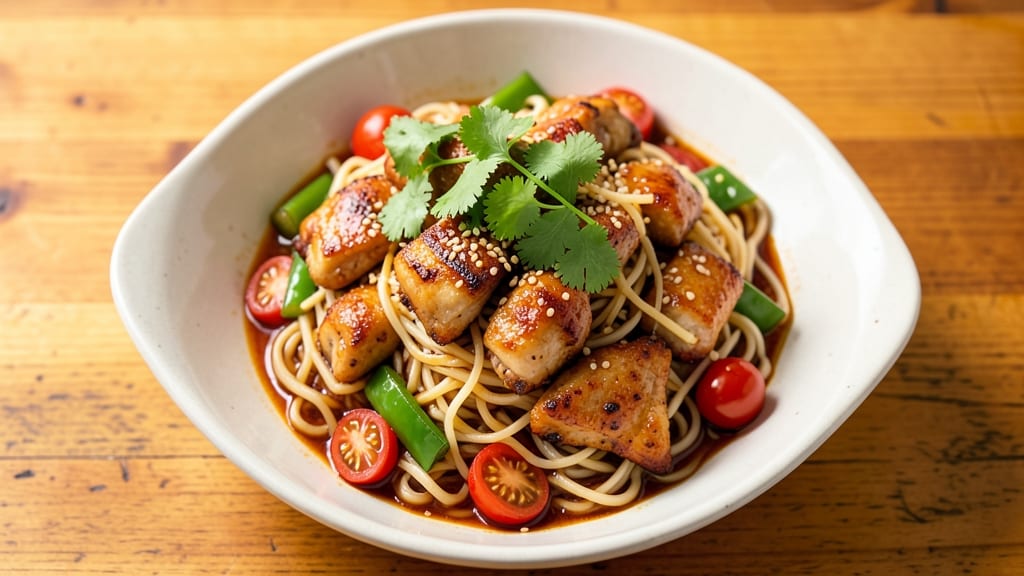
This Asian chicken noodle stir fry recipe delivers restaurant-quality wok heat in under 30 minutes—no takeout needed. The secret lies in a quick marinade that tenderizes the chicken while building bold flavors, paired with a homemade sauce that balances sweet, tangy, and umami notes perfectly.
I developed this recipe after years of testing different Asian stir-fry techniques, and it consistently delivers crisp-tender chicken, chewy noodles, and a sauce that clings to every bite.
The beauty of this dish is its versatility—swap the sauce for Thai peanut, Japanese soy-ginger, or Korean gochujang versions without sacrificing simplicity. Start with pre-cooked chicken thighs (for foolproof results) or fresh breast, then stir-fry in a smoking-hot wok or deep skillet to achieve that signature caramelized crust.
The noodles cook in the same pan, so you’ll have minimal cleanup and maximum flavor.
By the time you plate it, you’ll have a dish that’s bursting with color and texture: crispy chicken pieces, glossy noodles, and a sauce that’s sticky enough to coat each strand.
Serve it with quick-pickled cucumbers for brightness or steamed bok choy for extra greens. This recipe proves that homemade Asian stir-fry can be faster and more flavorful than takeout.
Perfect for busy weeknights, meal prep, or impressing guests with minimal effort. The instructions walk you through every step—from marinating to plating—so you’ll get restaurant-quality results without the fuss. Let’s get cooking!
Ingredients for asian chicken noodle stir fry
Quick marinade, bold sauce, and wok-heat chicken—this stir fry delivers restaurant flavors at home.
| Ingredient | Amount | Notes |
|---|---|---|
| Chicken Thighs (Bone-In, Skin-On) 🍗 | 1 ½ lb | Pre-cooked or fresh, cut into 1-inch pieces |
| Rice Noodles (Stir-Fry Type) 🍜 | 8 oz | Uncooked, flat or round shape |
| Sesame Oil 🫒 | 1 tbsp | Toasted, for aroma |
| Vegetable Oil 🫒 | ½ cup | High smoke point for stir-frying |
| Garlic Cloves 🧄 | 6 cloves | Minced, for marinade and sauce |
| Fresh Ginger 🌿 | 1 ½ tbsp | Grated, for marinade and sauce |
| Soy Sauce (Low-Sodium) 🥄 | ⅓ cup | Kikkoman preferred |
| Honey 🍯 | 2 tbsp | Wildflower for depth |
| Rice Vinegar 🍶 | 2 tbsp | For tangy balance |
| Sriracha 🌶️ | 1 tbsp | Adjust for heat preference |
| Sesame Seeds 🌱 | 1 tbsp | Toasted, for garnish |
| Green Onions 🧅 | 3 whole | Sliced, for garnish |
| Cornstarch 🌾 | 1 tbsp | For crispy chicken coating |
| Salt 🧂 | 1 tsp | Kosher or sea salt |
| Black Pepper 🌶️ | ½ tsp | Freshly ground |
The chicken makes or breaks this dish. Bone-in, skin-on thighs stay juicier than breasts during stir-frying, but if you prefer breast, pat it dry first and cut into even pieces. Pre-cooked thighs (like rotisserie) save time—just slice them into bite-sized strips. For fresh, marinate for 20 minutes minimum in the soy sauce, honey, garlic, ginger, and sesame oil. Trader Joe's carries excellent pre-cut chicken for stir-fry, but any grocery store butcher can trim thighs for you if you ask nicely. The key is high heat—get your wok or skillet screaming hot before adding oil, or you’ll steam the chicken instead of searing it.
No sesame oil? Toasted peanut oil works in a pinch, though the flavor won’t be identical. Short on honey? Maple syrup or agave adds sweetness, but honey’s floral notes are ideal. The rice noodles should be soaked in hot water for 5-7 minutes until pliable but still slightly firm—over-soaking makes them mushy. For extra umami, add 1 tbsp fish sauce to the sauce (skip if vegetarian). The cornstarch coating isn’t just for crispiness—it helps the sauce cling better. Mix it with 1 tbsp cold water before tossing the chicken, or it’ll clump. And if you’re feeling fancy, substitute tamari for soy sauce for a gluten-free version.
This dish reheats like a dream—just toss with a splash of water and stir-fry again over high heat. Keeps 3-4 days in the fridge, though the noodles get softer with time. For meal prep, cook the chicken and sauce separately, then combine when ready to eat. The sauce can be made ahead and stored for 1 week—it actually tastes better after flavors meld. Garnish with toasted sesame seeds right before serving, or they’ll get soggy. Leftovers? Toss with a fried egg for breakfast the next day—trust me, it’s a game-changer.
Why You'll Love This Recipe
- Skin-On Magic: The bone-in chicken thighs stay juicy while the skin crisps to golden perfection—no dry bites here. Honestly, I’ve tried boneless versions, but this? That crispy skin with the creamy center? Chef’s kiss every time.
- Garlic-Sesame Boom: One teaspoon of toasted sesame oil and three minced garlic cloves transform everything. The aroma alone makes my kitchen smell like a street food stall, and the first bite? Pure satisfaction—nutty, garlicky, and just salty enough to make your taste buds dance.
- Leftovers? No Problem: This dish actually tastes better the next day—no sad, soggy noodles. I portion it into containers with a drizzle of extra sesame oil, and it’s my go-to for lunch meetings or busy mornings. (Yes, even on a Tuesday night.)
- Budget Win: Bone-in thighs are cheaper than breasts, rice noodles last forever, and a little sesame oil goes a long way. Between us, this feeds four for under $15, and I’ve never once regretted the math. My wallet and I are both happy.
Step-by-step instructions for wok-hot Asian chicken noodle stir fry
This stir fry comes together faster than you can say "wok hei"—let's make it with precision and speed.
Prep the Chicken and Marinade
Cut the 1.5 lb chicken thighs into 1-inch pieces, keeping the skin on for maximum flavor. In a bowl, whisk together 0.33 cup soy sauce, 2 tbsp honey, 2 tbsp rice vinegar, 1 tbsp sriracha, 1.5 tbsp grated fresh ginger, 6 minced garlic cloves, 1 tsp salt, and 0.5 tsp black pepper. Add the chicken pieces and toss until fully coated. Let it marinate for 15 minutes while you prep the rest.
Here's the thing—bone-in thighs stay juicier than boneless cuts, and the skin will crisp beautifully during stir-frying. If using pre-cooked chicken, skip the marinade and move straight to the cornstarch coating.
Coat the Chicken and Cook the Noodles
In a separate bowl, toss the marinated chicken with 1 tbsp cornstarch until evenly dusted. This creates a crispy exterior that locks in all those delicious marinade flavors. While the chicken rests for 5 minutes, soak the 8 oz rice noodles in warm water for 10-12 minutes until pliable but still slightly firm. Drain and set aside.
Don't soak them too long—they should hold their shape when tossed. Over-soaked noodles turn mushy, and nobody wants that. Keep them covered with a damp towel while you finish the stir fry.
Stir-Fry the Chicken to Golden Perfection
Heat 0.5 cup vegetable oil in a wok or large skillet over medium-high heat until shimmering. Add the cornstarch-coated chicken in a single layer and cook undisturbed for 4-5 minutes until the skin is deep golden brown and crispy. Flip and cook another 3-4 minutes until fully cooked through.
This is where the magic happens—don't crowd the pan or you'll steam the chicken instead of searing it. If the oil smokes excessively, reduce the heat slightly. Remove the chicken and set aside, leaving the rendered fat in the pan.
Build the Sauce and Combine Everything
In the same pan, add 1 tbsp sesame oil and swirl to coat. Toss in the drained noodles, breaking them up with tongs. Stir-fry for 2-3 minutes until heated through. Pour in 0.33 cup soy sauce and 1 tbsp sriracha, tossing everything together. Cook for another 1-2 minutes until the noodles are tender and the sauce clings beautifully.
Here's the moment that matters: return the chicken to the pan and toss everything together for 1-2 minutes until evenly coated. The residual heat will crisp up the chicken skin again while the noodles absorb all that glorious sauce.
Finish with Garnishes and Serve Immediately
Transfer the stir fry to serving plates and garnish with 1 tbsp toasted sesame seeds and 3 sliced green onions. Drizzle with any remaining pan sauce. Serve while hot—this dish tastes best straight from the wok when the noodles are still slightly chewy and the chicken skin is crisp.
Real talk: the longer you wait, the softer the noodles get. Plate it immediately, and don't forget to crack some black pepper over the top right before serving—it adds a fresh, peppery finish that ties everything together.
Pro Tips For Making Asian Chicken Noodle Stir Fry
- CRISP THE SKIN FIRST: Toss those bone-in, skin-on thighs in a dry pan over medium-high heat for 3-4 minutes before adding anything else. I learned this the hard way—skipping this step leaves you with soggy skin later, no matter how much you sear afterward. The skin should be golden and starting to crackle before you even think about adding garlic or oil.
- SOAK NOODLES RIGHT: Fill a bowl with just enough hot water to cover the rice noodles, then let them sit for 8-10 minutes—no stirring, no peeking. Over-soaking turns them mushy, and under-soaking means they’ll fight you when you try to stir-fry. Drain well in a colander, then toss with a drizzle of sesame oil to keep them from sticking.
- DON’T CROWD THE PAN: Chicken thighs release a ton of juice—if you pile them in, you’ll steam the meat instead of sear it. Work in batches: 2 thighs max per pan, spaced out so they sizzle, not sweat. I used to rush this and ended up with bland, gray chicken. Trust me, the extra 30 seconds waiting for the pan to heat up again is worth it.
- MINCE GARLIC FINE: Skip the rough chop—this isn’t a steak. Mince those garlic cloves into a paste with the flat side of your knife (or pulse in a food processor if you’re impatient). Fine garlic burns faster and blends into the sauce instead of sitting as chewy chunks. Pro move: Toss the minced garlic in a little sesame oil first, then add it to the pan—it’ll bloom instantly and add depth.
Storing and reheating this recipe
Fridge Storage Tips
Store your leftover stir fry in an airtight container for up to 3-4 days—the flavors actually deepen overnight. I like using glass Pyrex containers because they keep the dish from absorbing fridge odors. Let it cool completely before sealing to prevent condensation, which can make the noodles soggy. 💫
Divide the dish into single-serving portions if you plan to reheat later. This makes it easier to grab and reheat just what you need without overcooking the noodles. I always portion out the sauce separately if possible, so you can add it fresh when reheating for maximum flavor.
Freezer-Friendly Tricks
The sauce and chicken can be frozen separately for up to 3 months—this preserves texture better than freezing the whole dish. Spread the sauce in a thin layer on a tray, freeze until solid, then transfer to a freezer bag.
For the chicken, freeze it in a single layer before bagging to prevent clumping. 🧊
When reheating frozen chicken, toss it in the pan with a splash of water or chicken broth to prevent drying. Add the noodles only in the last 2 minutes of cooking to maintain their chewy texture.
I’ve found that microwaving frozen portions works too—just use a damp paper towel and heat in 30-second intervals while stirring.
Reheating Like a Pro
For the best results, reheat your stir fry in a wok or large skillet over medium-high heat with 1 tablespoon of oil. Add the chicken first, then toss in the noodles and sauce, stirring constantly for 3-4 minutes until everything is piping hot.
This method revives the crispiness of the chicken skin and keeps the noodles from turning mushy. 🔥
If you’re short on time, the microwave works in a pinch—cover the dish with a damp paper towel and heat on 70% power for 2-3 minutes, stirring halfway.
For extra flavor, finish with a quick toss in a hot pan with a splash of sesame oil and a sprinkle of toasted sesame seeds right before serving.
Meal Prep Hacks
Prep the sauce and chicken separately ahead of time to keep your stir fry fresh for up to 5 days. Store them in separate containers in the fridge, then combine when ready to eat.
This way, you can control the texture of the noodles—always cook them fresh when reheating for the best results. ✨
For a make-ahead breakfast, toss leftover stir fry with a fried egg and a sprinkle of green onions. The runny yolk ties everything together beautifully. I also like adding a handful of steamed bok choy or quick-pickled cucumbers to brighten up the flavors when reheating.
Nutrition facts
Frequently asked questions
Can I use chicken breast instead of thighs?
Yes, but with a few adjustments! Chicken breast dries out faster during stir-frying, so pat it very dry and cut into thin, even strips. Marinate for 30 minutes maximum (not 15) and cook over medium-high heat for just 2-3 minutes per side—until the internal temp hits 165°F. For extra moisture, add 1 tsp honey to the cornstarch coating.
What if I don’t have a wok?
A large skillet or deep frying pan works perfectly! The key is using enough oil (at least 0.5 cup) to create a thin layer that gets hot enough to sear the chicken. Heat until the oil shimmers, then work in small batches if needed. A cast-iron skillet retains heat best for that authentic wok effect.
How can I make this spicier?
Boost the heat by adding 1 tbsp gochujang (Korean chili paste) or 2 tbsp sriracha to the sauce, plus 1 tsp red pepper flakes to the marinade. For extra kick, toss in 1 chopped Thai chili or 1 tsp chili crisp at the end. Balance with 1 tsp honey to prevent overpowering.
What noodles work best?
Rice noodles (like pad thai noodles) are ideal—they’re chewy and absorb sauce well. For alternatives, try udon noodles (soak 5 minutes) or egg noodles (cook 2 minutes less than package instructions). Avoid wheat noodles—they get gummy when stir-fried. Pro tip: Rinse cooked noodles briefly under cold water to stop them from sticking.
Why did my chicken turn out dry?
Overcooking is the #1 culprit—chicken should reach 165°F in 6-8 minutes total (not 10+). Use thighs or drumsticks (they stay juicier than breast), and cut pieces uniformly. If using breast, pound to even thickness and cook 1 minute per side. Also, don’t overcrowd the pan—cook in batches if needed.