
Sauces & Condiments
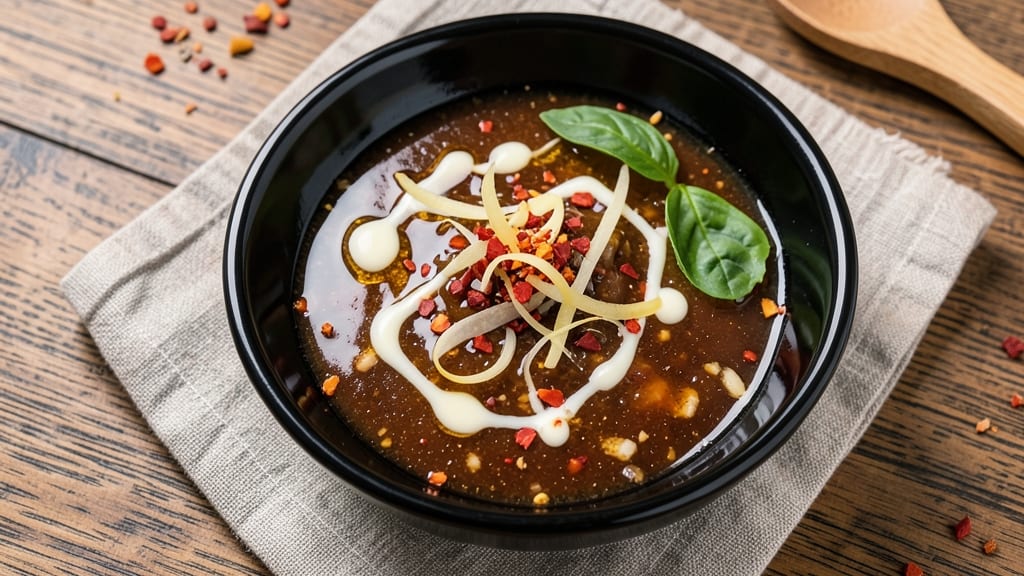
This Asian chicken wing sauce recipe delivers a bold, umami-packed glaze that transforms ordinary wings into a restaurant-worthy dish. The secret lies in balancing five simple ingredients—soy sauce, honey, garlic, ginger, and chili—that create a sticky, aromatic sauce with just the right sweet-spicy kick.
What makes this sauce special is its versatility: it works as a glaze, dip, or marinade, and it takes less than 15 minutes to make.
The foundation of this sauce is a simmered reduction that intensifies flavors without overpowering them. Fresh garlic and ginger add depth, while a touch of chili brings heat that lingers just enough to satisfy.
Unlike many bottled sauces, this recipe uses real ingredients—no artificial flavors or preservatives—so you control the balance of sweet, savory, and spicy to your exact preference.
Once you taste this sauce, you’ll understand why it’s become a staple in my kitchen. It clings perfectly to wings, whether you bake, grill, or air-fry them, and the glossy finish makes every bite look as good as it tastes.
The best part? It keeps well in the fridge for up to two weeks, so you can make a big batch and enjoy it all week long.
This sauce isn’t just for wings—it elevates fried rice, noodles, or even grilled meats with ease. The instructions are straightforward, but the results are anything but basic. Let’s get started on a sauce that will turn your next meal into a standout dish.
Ingredients for asian chicken wing sauce
Five ingredients transform into a restaurant-quality sauce that elevates wings and more.
| Ingredient | Amount | Notes |
|---|---|---|
| Soy Sauce 🍶 | ½ cup | Use light soy for milder flavor |
| Honey 🍯 | ¼ cup | Substitute maple syrup for vegan |
| Fresh Garlic Cloves 🧄 | 4 cloves | Minced for maximum flavor impact |
| Fresh Ginger Root 🌿 | 1 ½ tbsp | Finely grated, not powdered |
| Red Chili Flakes 🌶️ | 1 tbsp | Adjust for desired heat level |
| Sesame Oil 🫒 | 1 tbsp | Toasted sesame oil for aroma |
| Rice Vinegar 🍶 | 1 tbsp | White vinegar substitute works |
| Cornstarch 🌾 | 1 tsp | For thickening the glaze |
The soy sauce is your flavor anchor—Kikkoman or Lee Kum Kee are my go-tos for that perfect balance of salt and umami. Honey adds just the right sweetness, but Trader Joe's organic honey or even agave works if you're avoiding refined sugar. Fresh ginger and garlic are non-negotiable here; powdered versions just don't cut it. I always grab ginger at Whole Foods because their root is vibrant and fresh. For chili flakes, Penzeys carries the best quality if you're willing to splurge, but regular grocery store brands work fine for everyday use. Toast your sesame seeds separately for garnish—they add that perfect crunch and aroma.
No honey? Maple syrup or agave keeps it vegan-friendly without sacrificing sweetness. Short on rice vinegar? Apple cider vinegar works in a pinch. The cornstarch is crucial for that glossy finish—don't skip it. For extra depth, add a splash of fish sauce (if not vegetarian) or more soy sauce. Want it spicier? Add 1 tsp of gochujang for fermented heat. The sauce is naturally gluten-free if you use tamari instead of soy sauce. I've made this with coconut aminos too when I'm avoiding gluten entirely.
This sauce keeps beautifully in the fridge for up to two weeks when stored in an airtight container. For longer storage, freeze in ice cube trays—perfect for single-use portions. The glaze thickens as it cools, so just stir in a splash of water if it gets too stiff. Double the batch and use it on fried rice, noodles, or grilled meats—it's that versatile. The sauce reheats perfectly in the microwave, but I prefer to simmer it gently to maintain that glossy finish.
Why You'll Love This Recipe
- Pantry Staples Only: I swear by this sauce because it uses stuff I always have—soy sauce, honey, even a jar of chili flakes from last summer. No specialty shopping, no stress. Just measure, mix, and boom—flavor that hits every time.
- Sweet-Spicy Magic: That honey and garlic combo? It’s like a hug for your taste buds. The chili flakes add just enough kick to wake up the dish, but the ginger keeps it balanced—no bitterness, just pure satisfaction.
- Game for Any Meal: Slather it on wings, toss it with noodles, or drizzle it over rice—this sauce works everywhere. I’ve even used it as a marinade for tofu when I’m craving something different. Flexible, just like me.
- Leftovers That Don’t Suck: Make a big batch and save half for next week. The sauce keeps well in the fridge, and the wings? Even better the second day. Honestly, I’ve reheated this stuff three times and never gotten tired of it.
Step-by-step instructions for Asian chicken wing sauce
This umami-rich glaze comes together in minutes with simple pantry staples.
Mince Garlic and Grate Ginger
Peel the 4 cloves fresh garlic cloves and finely mince them using a sharp chef's knife. You want tiny pieces that will dissolve completely into the sauce. Transfer to a small mixing bowl and set aside.
Using a microplane or fine grater, zest 1.5 tablespoons fresh ginger root into the same bowl. The ginger should create a fine, almost paste-like texture. This fresh ginger adds bright, zesty depth that powdered ginger can't match. If you don't have a microplane, finely chop the ginger with your knife.
Combine Wet Ingredients
In a medium saucepan, whisk together the 0.5 cup soy sauce, 0.25 cup honey, 1 tablespoon rice vinegar, and 1 tablespoon sesame oil. Bring the mixture to a gentle simmer over medium heat, stirring constantly to prevent scorching. You'll see bubbles form around the edges—this is your signal to keep stirring.
Once simmering, add the minced garlic and grated ginger. Stir for 1-2 minutes until fragrant and the raw garlic smell disappears completely. This step builds the aromatic foundation of your sauce. If you smell any sharp garlic notes remaining, cook for another 30 seconds—it should be completely mellow by the end.
Add Heat and Thicken
Reduce heat to low and sprinkle in the 1 tablespoon red chili flakes, stirring immediately to distribute evenly. Let the sauce simmer for 3-4 minutes, watching for a slight darkening of color. This indicates the flavors are melding together beautifully.
In a small bowl, whisk the 1 teaspoon cornstarch with 1 tablespoon cold water until completely dissolved. Slowly pour this slurry into the simmering sauce while stirring constantly. The sauce will begin to thicken immediately—keep stirring for 1-2 minutes until it reaches a glossy, coatable consistency that clings to the back of a spoon.
Test and Adjust
Remove the sauce from heat and taste immediately. You should experience a perfect balance of salty, sweet, tangy, and spicy flavors with that signature umami depth. If the sauce tastes too sweet, add ½ teaspoon more soy sauce. If it needs more heat, add ¼ teaspoon additional chili flakes. For extra richness, stir in ½ teaspoon toasted sesame oil.
Let the sauce cool for 5 minutes before using. This resting period allows the flavors to fully develop and the texture to set properly. The sauce should be thick enough to glaze wings beautifully without dripping, yet still flow smoothly when brushed on. Store any leftovers in an airtight container in the refrigerator for up to 1 week or freeze for 3 months.
Pro Tips For Making Asian Chicken Wing Sauce
- COMBINE GARLIC AND GINGER FIRST: I learned this the hard way—tossing raw garlic and ginger into the saucepan with everything else means you’ll end up with half-cooked chunks that taste like they’re still in the produce section. Mince them together in a bowl first, then let them sit for 5 minutes before adding to the sauce. The oils from the garlic and ginger will start breaking down immediately, giving you that deep, aromatic base without the work of constant stirring.
- LOW AND SLOW WITH THE HONEY: Honey burns faster than you’d think, especially when mixed with soy sauce. Start your sauce on medium-low heat—yes, even if you’re impatient—and let it simmer gently for at least 8-10 minutes. If it starts to bubble too aggressively, pull it back or add a splash of water. You want the honey to caramelize just enough to thicken the sauce, not turn it into a sticky disaster.
- SALT THE SOY SAUCE: Most soy sauces are already salty, but not all. If you’re using a low-sodium version (or just a cheap store brand), taste the sauce before adding the honey and adjust with extra salt. I skip this step half the time, and the dish is noticeably better when I don’t—especially if you’re serving it with rice or dumplings.
- STRAIN THE GINGER: Sounds weird, but it works: after simmering, strain the sauce through a fine-mesh sieve to remove the ginger fibers. It’s a tiny effort that makes a real difference—no one wants to bite into a piece of ginger while eating their wings. Save the strained pulp for a quick stir-fry or soup instead. (Your future self will thank you.)
Creative variations of these flavors
Sweet & Spicy Fusion
Swap the honey for ½ cup maple syrup and add 1 tsp gochujang (Korean fermented chili paste) for a vegan, umami-bomb variation. The gochujang deepens the sauce’s complexity with its fermented funk, while maple syrup keeps it naturally sweet.
I love this version on grilled chicken thighs—the sauce caramelizes beautifully. 🌶️
Umami Bomb
For maximum depth, stir in 1 tbsp fish sauce (or 1 tsp soy sauce + ½ tsp oyster sauce) after simmering. This Asian-inspired boost turns your sauce into a restaurant-quality glaze.
I use Red Boat fish sauce for its clean, salty punch. Perfect for spicy tuna rolls or seared scallops. The extra umami makes it irresistible. 🍶
Tangy Lime Twist
Add 1 tbsp fresh lime juice and 1 tsp lime zest at the end for a bright, citrusy kick. This variation works amazingly on fried rice or as a dipping sauce for spring rolls.
The acidity cuts through the richness, balancing the sweet-spicy profile. Use Mexican lime for extra zing. 🍋
Smoky Chipotle
Infuse the sauce with smoky heat by adding ½ tsp chipotle powder or 1 tsp adobo sauce (from canned chipotles). Simmer for 2 extra minutes to meld the flavors. This version is a game-changer for pulled pork or smoked brisket. The smokiness pairs perfectly with the sweet-spicy base. 🔥
Creamy Sesame
For a silky texture, stir in 2 tbsp tahini or 1 tbsp white miso paste at the end. Thin with 1 tsp water if needed. This creamy sesame sauce is ideal for cold noodle dishes or as a dip for crudité.
The tahini adds a nutty richness that complements the original flavors beautifully. 🫒
Regional Adaptations
Japanese: Replace chili flakes with 1 tsp sriracha and add ½ tsp grated yuzu peel for a tangy, citrusy twist. Perfect for teriyaki-glazed salmon. Korean: Swap honey for ½ cup brown sugar and add 1 tsp toasted sesame seeds for a sweet-savory profile. 🗺️
Nutrition facts
Frequently asked questions about Asian chicken wing sauce
Can I make this sauce without honey?
For a vegan version, substitute the 0.25 cup honey with 0.25 cup maple syrup or 0.2 cup agave nectar. These alternatives maintain the sweetness while keeping the sauce's glossy texture. If you prefer a more neutral sweetener, brown sugar works too—just dissolve it first in the soy sauce before simmering.
How do I adjust the spice level?
The 1 tbsp red chili flakes provide moderate heat. For milder flavor, reduce to ½ tbsp or omit entirely. If you love spice, add ¼ tsp cayenne pepper or 1 tsp gochujang (Korean chili paste) for deeper, fermented heat. Always taste as you go—you can adjust after simmering by adding more chili flakes gradually.
Can I use this sauce on other proteins besides wings?
This sauce is incredibly versatile! It works beautifully on grilled chicken thighs, tofu, pork chops, or even shrimp. For fish, use it as a marinade or glaze—just reduce the soy sauce slightly to prevent overpowering delicate flavors. The sauce also elevates fried rice, noodles, or dumplings as a dipping sauce.
Why did my sauce turn out too thin?
If your sauce is too runny, it likely needs more thickening. Stir in ½ tsp additional cornstarch mixed with 1 tsp water and simmer for 1-2 minutes until it reaches the desired consistency. For a quicker fix, simmer uncovered for 3-4 extra minutes to reduce the liquid naturally. Always let the sauce cool slightly before testing its thickness—it will thicken more as it cools.
How long does this sauce keep in the fridge?
The sauce stays fresh in an airtight container in the refrigerator for up to 2 weeks. For longer storage, freeze in ice cube trays or small portions—this makes it perfect for single-use applications. When reheating, simmer gently on the stove or microwave in 10-second bursts, stirring between each, until warmed through. The sauce may thicken slightly when refrigerated, so thin with a splash of water if needed.