
Main Courses
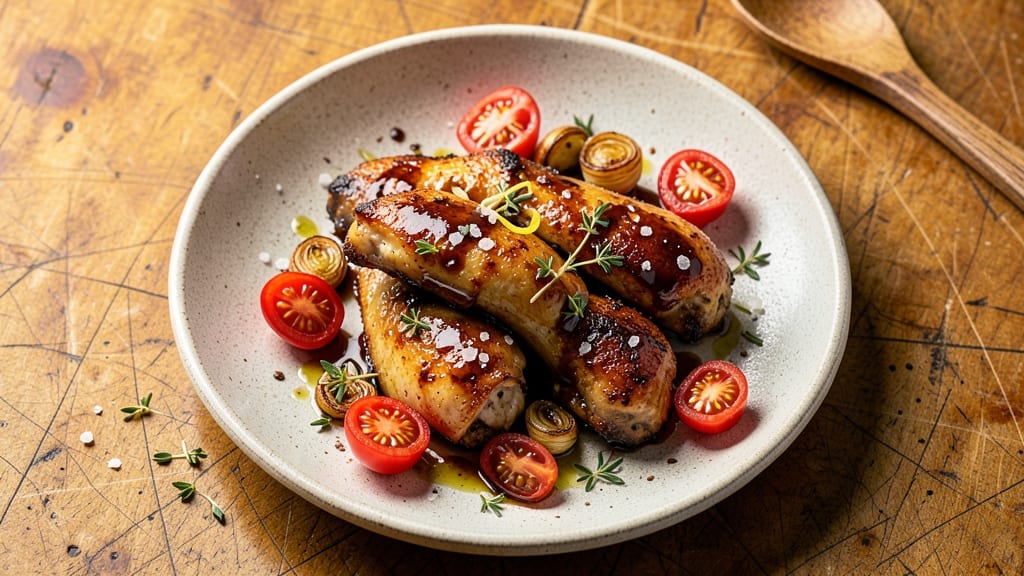
This balsamic chicken thighs with burst tomatoes recipe delivers restaurant-quality sweet-tart perfection with minimal effort. The secret lies in slow caramelization—where rich balsamic vinegar transforms into a glossy, velvety sauce that clings to juicy chicken and bursts open tomatoes for maximum flavor impact.
I developed this technique after years of experimenting with braised dishes, and it never fails to impress even the most skeptical diners.
The beauty of this dish is its balance—tender, fall-off-the-bone chicken thighs paired with sweet-tart tomatoes that burst with every bite. Start with a simple marinade of olive oil, garlic, and herbs, then sear the chicken until golden before braising in a balsamic reduction.
The result? A dish that's elegant enough for dinner parties but simple enough for weeknights, with a sauce so rich it'll have everyone asking for seconds.
What makes this recipe truly special is the textural contrast—juicy chicken against caramelized tomatoes, all coated in that glossy balsamic glaze. The tomatoes release their juices as they cook, creating a natural sauce that thickens beautifully as it reduces.
This method ensures every bite is packed with flavor, while the slow cooking process keeps the chicken impossibly tender.
Serve with crusty bread to soak up the sauce or alongside a simple arugula salad for a well-rounded meal. The balsamic glaze works wonders on both, making this dish versatile enough for any occasion. Ready to create a showstopper that feels like a restaurant meal? Let's get started.
Ingredients for balsamic chicken thighs with burst tomatoes
Restaurant-quality balsamic glaze and burst tomatoes transform simple chicken thighs into an elegant weeknight dish.
| Ingredient | Amount | Notes |
|---|---|---|
| Chicken Thighs 🍗 | 1 ½ lb | Bone-in, skin-on preferred |
| Balsamic Vinegar 🍷 | ½ cup | High-quality aged variety |
| Cherry Tomatoes 🍅 | 1 ½ lb | Roma or vine tomatoes work best |
| Extra-Virgin Olive Oil 🫒 | ¼ cup | For searing and deglazing |
| Garlic Cloves 🧄 | 6 cloves | Minced for marinade |
| Dried Thyme 🌿 | 1 tsp | Or 1 tbsp fresh thyme |
| Salt 🧂 | 1 ½ tsp | Kosher or sea salt |
| Black Pepper 🌶️ | ½ tsp | Freshly ground preferred |
| Yellow Onion 🧅 | 1 whole | Diced for braising |
| Fresh Rosemary 🌿 | ¼ cup | Chopped, stems removed |
| Honey 🍯 | 1 tbsp | For glaze balance |
| Butter 🧈 | 2 tbsp | For finishing sauce |
| Crusty Bread 🍞 | 1 loaf | For serving (not cooking) |
The chicken thighs are the foundation—bone-in, skin-on for maximum flavor and tenderness. Look for thighs with good marbling at your local butcher or grocery store's meat counter. Costco or Whole Foods often have excellent quality cuts. If you can't find bone-in, use bone-in chicken thighs with skin removed. The skin adds richness as it renders, but it's optional. For the tomatoes, Roma or vine tomatoes hold their shape best during cooking—regular cherry tomatoes might burst too early. If you can't find them, use a mix of cherry and grape tomatoes for variety.
No balsamic vinegar? Substitute with 1/4 cup red wine vinegar plus 1 tbsp brown sugar—it won't be identical, but it'll work in a pinch. Fresh thyme is ideal, but dried thyme works at one-third the amount. Short on honey? Maple syrup or agave nectar will give similar sweetness. The butter at the end is non-negotiable—it adds that final luxurious touch. For the olive oil, use something with good peppery notes like California extra-virgin—it stands up to the bold flavors. If you're making this ahead, the sauce actually improves overnight as it continues to reduce.
Store leftovers in an airtight container for up to 4 days—the flavors deepen as the sauce reduces further. Freezes beautifully for 3 months, though the bread will need to be served fresh. I always make a double batch because this reheats incredibly well. The sauce thickens as it cools, so add a splash of water or broth when reheating. For serving, tear the crusty bread into chunks—it soaks up the sauce perfectly. If you have any balsamic reduction left over, drizzle it over roasted vegetables or use it as a marinade for next time.
Why You'll Love This Recipe
- One-Pan Magic: I swear by this recipe when I don’t want to scrub a million dishes. Toss everything—chicken, tomatoes, garlic—onto one sheet pan, roast, and boom. The balsamic glaze caramelizes right there, no extra pots or pans needed.
- Sweet-Savory Balance: That burst of tomatoes and tangy balsamic? It’s the kind of flavor combo that makes you reach for seconds without thinking. The garlic cloves roast into golden perfection, and the chicken stays juicy while the tomatoes split open like little flavor bombs.
- Weeknight Workhorse: Between us, this is my go-to when I’m too tired to plan. It’s hearty enough for a family dinner but simple enough for a lazy Sunday. Honestly, I’ve served it at book club meetings, potlucks, and even a last-minute date night—no one ever questions it.
- Budget-Friendly Luxury: Chicken thighs are forgiving and cheap, and cherry tomatoes add freshness without breaking the bank. The balsamic and olive oil elevate it to feel fancy, but the cost stays low. Plus, leftovers reheat like a dream—crispy edges, tender meat, and all that sticky-sweet sauce.
Step-by-step instructions for balsamic chicken thighs with burst tomatoes
Transform simple ingredients into a restaurant-worthy dish with this foolproof technique.
Prepare the Chicken and Marinade
Pat the 1.5 lb chicken thighs dry with paper towels—this ensures crispy skin. Season both sides generously with 1.5 tsp salt and 0.5 tsp black pepper, then place them in a bowl. In a separate small bowl, whisk together 0.5 cup balsamic vinegar, 1 tbsp honey, 0.25 cup extra-virgin olive oil, 6 cloves minced garlic cloves, 1 tsp dried thyme, and 0.25 cup chopped fresh rosemary. Pour the marinade over the chicken, turning to coat evenly. Let it marinate at room temperature for 15 minutes—just enough time for the flavors to meld without over-marinating the meat.
While the chicken marinates, dice the 1 whole yellow onion into small, even pieces. This will form the aromatic base for your sauce. The key here is to keep the onion dice uniform so they cook at the same rate and don't turn mushy. Set it aside for now—you'll use it in the next step.
Sear the Chicken and Build the Base
Heat a large oven-safe skillet over medium-high heat. Add the 1.5 lb chicken thighs, skin-side down, and let them sear undisturbed for 5-6 minutes until the skin turns golden brown and crispy. You'll hear the fat begin to sizzle—that's your cue that the chicken is releasing its natural oils and developing that coveted crust. Flip the thighs and cook for another 4-5 minutes until the other side is golden and the internal temperature reaches 165°F when checked with a meat thermometer.
Remove the chicken from the skillet and set it aside on a plate. Add the diced yellow onion to the same skillet and cook for 3-4 minutes until softened and slightly caramelized. This step develops the foundational flavors of your dish. Next, add the 1.5 lb cherry tomatoes and cook for another 2 minutes until they begin to soften. The goal here is to blister the tomatoes slightly—their juices will burst and create the signature sauce later.
Deglaze and Simmer the Sauce
Pour the marinade from the chicken bowl into the skillet, scraping up any browned bits from the bottom with a wooden spoon. This deglazing step captures all the flavor that would otherwise stick to the pan. Bring the mixture to a gentle simmer over medium heat and let it reduce for 5-6 minutes until the sauce thickens slightly and coats the back of a spoon. This is where the magic happens—the balsamic vinegar and honey combine to create a sweet-tart glaze that caramelizes beautifully.
Return the chicken to the skillet, skin-side up, and spoon the sauce over the top. Cover the skillet with a lid or foil and transfer it to a preheated 375°F oven. Bake for 15-20 minutes until the chicken is fully cooked through and the sauce has thickened further. The oven helps the sauce cling to the chicken and develop a deeper flavor without overcooking the meat.
Finish with Butter and Serve
Remove the skillet from the oven and increase the heat to medium. Add the 2 tbsp butter to the skillet and let it melt, swirling it around to coat the chicken and sauce evenly. This step adds richness and helps emulsify the sauce, giving it a velvety texture. Taste the sauce and adjust the seasoning with additional salt or black pepper if needed. The sauce should be balanced—sweet from the honey, tangy from the balsamic, and rich from the butter.
Serve the balsamic chicken thighs immediately, spooning the sauce generously over each piece. Pair with the 1 loaf crusty bread to soak up any remaining sauce. The contrast of the warm, crispy bread with the sweet-tart chicken and burst tomatoes makes this dish truly unforgettable. Each bite delivers a perfect harmony of textures and flavors, from the crispy chicken skin to the juicy, caramelized tomatoes.
Pro Tips For Making Balsamic Chicken Thighs With Burst Tomatoes
- CRISP THE SKIN FIRST: Skip the pan-searing hype—pat the thighs bone-dry with paper towels, then broil for 3-4 minutes until the skin turns golden. This locks in juices and gives you that crispy texture without drowning the pan in oil. (Yes, even if you’re impatient like me.)
- BURST TOMATOES FAST: Toss halved cherry tomatoes with a pinch of salt and let them sit for 10 minutes before adding balsamic. The salt draws out moisture, so they burst immediately in the pan instead of turning to mush. I learned this the hard way—soggy tomatoes ruin the whole dish.
- DON’T DROWN THE GARLIC: Mince the garlic finely (almost paste-like) and cook it low and slow for 2-3 minutes in the olive oil before adding the chicken. Whole cloves burn; minced garlic caramelizes and infuses flavor without bitterness. (Your future self will notice the difference.)
- SAVE THE BALSAMIC: Reduce the balsamic vinegar by half before tossing it with the tomatoes—simmer it in a small saucepan for 3-4 minutes until it’s syrupy. This cuts the harsh acidity and makes the sauce actually sweet and glossy, not vinegary. (I used to skip this and wondered why it tasted sharp.)
Wine and beer pairings for this recipe
Sweet Wine Pairings
The rich, caramelized balsamic glaze in this dish pairs beautifully with medium-bodied reds that complement its sweet-tart profile. I always reach for a Chianti Classico—its bright acidity and cherry notes mirror the tomatoes' burst, while the earthy undertones harmonize with the thyme and rosemary.
For a lighter option, try a Pinot Noir from Oregon—its delicate berry flavors won't overpower the dish but enhance its complexity. 🍷
Crisp White Alternatives
Surprisingly, crisp whites work wonderfully with this dish when you want to highlight the tomatoes' acidity. A Vermentino from Sardinia—with its citrus and mineral notes—cuts through the richness beautifully.
For something more aromatic, a Gewürztraminer adds a floral contrast that pairs surprisingly well with the balsamic's depth. I've also enjoyed a chilled Sauvignon Blanc with its herbal brightness.
Beer Pairing Perfection
For beer lovers, a Belgian witbier like Hoegaarden is my go-to—its coriander and citrus notes complement the dish's sweet-savory balance. If you prefer something heartier, a German Helles lager provides enough body to stand up to the rich sauce without overpowering it.
Avoid heavy IPAs, as their bitterness can clash with the dish's sweetness. 🍺
After-Dinner Digestif
Finish the meal with a small glass of Amaretto or Frangelico—their almond and vanilla notes echo the honey in the glaze while providing a smooth, warming finish.
For a non-alcoholic option, try a balsamic-infused sparkling water with a splash of orange juice—it refreshes the palate and ties back to the dish's signature flavor.
Regional Wine Twists
In Tuscany, where balsamic originated, locals pair this dish with Sangiovese—its rustic cherry and earthy notes create a perfect match. For a Southern French twist, try a Côtes du Rhône blend—its spicy pepper notes add another layer of complexity.
Each region's wine reflects its terroir, enhancing the dish's local flavors.
Seasonal Adaptations
Summer versions of this dish pair well with rosé wines—their crisp acidity balances the dish's richness. In winter, opt for a Malbec or Cabernet Sauvignon—their bold tannins stand up to the dish's depth.
The key is matching the wine's body and acidity to the sauce's intensity, ensuring each sip complements the bite. 🍇
Nutrition facts
Frequently asked questions
Can I use bone-in chicken thighs with skin removed?
Yes, but you'll lose some of the dish's richness from the rendered skin fat. If using skinless thighs, add 1 tablespoon olive oil to the skillet during searing to compensate. The skin adds incredible flavor and texture—it crisps beautifully while basting the meat. For best results, use bone-in thighs with skin on for that authentic restaurant-style experience.
What if my tomatoes don't burst as expected?
This happens when tomatoes aren't cooked long enough. For perfect bursts, add them to the skillet after onions and cook just 2 minutes until slightly blistered. Use Roma or vine tomatoes—they hold their shape better. If they're too firm, increase heat slightly or add 1 teaspoon sugar to help soften them during braising. The burst releases their juices, creating that signature sauce.
Can I make this recipe in a slow cooker?
Sear the chicken first, then transfer everything to a 6-quart slow cooker on low for 4-5 hours. Add 2 tablespoons chicken broth to prevent drying. The balsamic glaze will develop differently but still create a delicious sauce. For extra richness, finish with butter as directed. This method is perfect for hands-off cooking while you handle other preparations.
How do I store and reheat leftovers?
Store in an airtight container for up to 4 days in the fridge. The sauce actually improves as it continues reducing! Reheat gently in a skillet with 1 tablespoon water or broth to loosen the sauce. Never microwave—it makes the sauce watery. For best texture, reheat skin-side down on medium-low heat for 5-7 minutes until warmed through.
What are the best sides to serve with this dish?
Crusty bread is ideal for soaking up the sauce, but you could also serve with creamy polenta, roasted potatoes, or a simple arugula salad with lemon vinaigrette. The contrast of textures works beautifully—try warm bread for heartiness or cool greens to balance the richness. For a complete meal, add steamed green beans with garlic or sautéed mushrooms.