
Main Courses
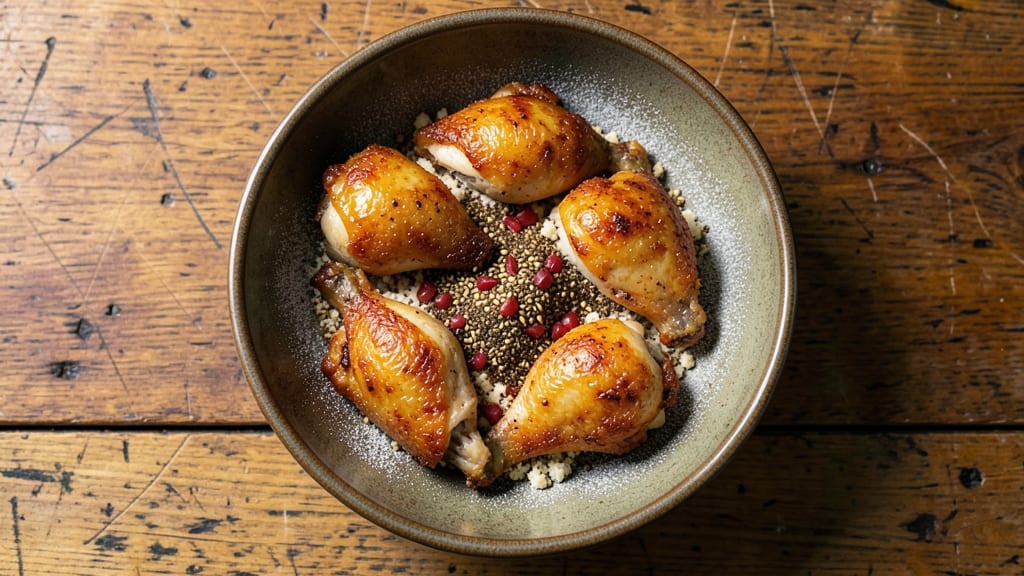
Austin Leslie's fried chicken recipe delivers the perfect balance of crispy za'atar-spiced crust and impossibly juicy centers that make every bite unforgettable.
The secret lies in a buttermilk brine that tenderizes the chicken while infusing it with subtle tang, followed by a double-frying technique that locks in moisture and creates that signature shatteringly crisp exterior.
This isn't your average fried chicken—it's a restaurant-quality dish you can recreate at home with precise technique and high-quality ingredients.
The magic begins with a 24-hour buttermilk brine that transforms tough chicken thighs into melt-in-your-mouth perfection. After patting dry, the chicken gets coated in a fragrant za'atar blend—earthy, citrusy, and just slightly nutty—that becomes the signature crust when fried.
The double-frying method is critical: first at a lower temperature to cook through, then at a higher heat to achieve that golden, crackling exterior. This technique ensures your chicken stays juicy inside while delivering that satisfying crunch with every bite.
What sets this recipe apart is the attention to detail in every step—from proper oil temperature control to the perfect resting time before serving. The result is chicken with a crust that's crisp enough to stand up to dipping sauces while maintaining a tender, flavorful interior.
The za'atar seasoning adds layers of complexity that elevate this dish beyond standard fried chicken, making it a showstopper for any meal.
Serve with classic sides like creamy coleslaw or buttermilk biscuits to complete the experience. The beauty of this recipe is in its versatility—it works equally well as a weeknight dinner or a centerpiece for special occasions. With these techniques, you'll achieve restaurant-quality fried chicken that rivals Austin Leslie's signature dish.
Ingredients for austin leslie fried chicken
These high-quality ingredients deliver Austin Leslie's signature restaurant-style fried chicken at home.
| Ingredient | Amount | Notes |
|---|---|---|
| Chicken Thighs 🍗 | 2 lb | Bone-in, skin-on, 2-3 inches thick |
| Buttermilk 🥛 | 2 cups | Full-fat preferred for optimal flavor |
| Za'atar Seasoning 🌿 | ¼ cup | Homemade or high-quality store-bought blend |
| All-Purpose Flour 🌾 | 1 cup | Fine texture for even coating |
| Cornstarch 🌽 | ¼ cup | For ultra-crispy crust |
| Diamond Crystal Kosher Salt 🧂 | 1 tbsp | For brine and seasoning |
| Ground Black Pepper 🌶️ | ½ tsp | Freshly cracked for maximum flavor |
| Peanut Oil 🫒 | 4 cups | High smoke point for frying |
| Fresh Lemon Juice 🍋 | 2 tbsp | Brightens za'atar flavor |
| Garlic Cloves 🧄 | 2 cloves | Minced for za'atar blend |
| Sesame Seeds 🌰 | 1 tbsp | Toasted for za'atar blend |
| Sumac 🍃 | 1 tbsp | Citrusy component of za'atar |
| Dried Oregano 🌿 | 1 tbsp | For za'atar blend |
| Vegetable Oil 🫒 | ½ cup | For pre-brining chicken |
The chicken thighs are non-negotiable—bone-in, skin-on cuts deliver maximum flavor and moisture. Look for free-range or organic if possible, but standard grocery store thighs work perfectly. Pat them completely dry after brining to ensure a crispy crust. For the za'atar blend, Penzeys or Middle Eastern markets offer the most authentic versions, but you can create your own with sumac, sesame seeds, oregano, and a touch of salt. The buttermilk should be full-fat for optimal flavor infusion during the 24-hour brine.
No za'atar? Substitute equal parts oregano, sumac, and sesame seeds—just toast the sesame seeds first for depth. For the flour coating, half all-purpose and half cornstarch creates that signature crispiness. The peanut oil is critical—its high smoke point prevents burning during double-frying, and the nutty flavor complements the za'atar perfectly. If you can't find peanut oil, vegetable oil or avocado oil work in a pinch, though the flavor profile differs slightly. The lemon juice brightens the za'atar, so don't skip it—fresh is best, but bottled works if you're in a hurry.
Store leftover chicken in an airtight container for up to 3 days, though it reheats best when crispy. For longer storage, freeze portions for up to 3 months. The za'atar blend keeps indefinitely in a sealed jar. Prep the brine the night before—24 hours is ideal—and pat the chicken thoroughly before frying. The double-frying technique requires precise temperature control: 300°F for the first fry and 375°F for the second. Use a thermometer for accuracy.
Why You'll Love This Recipe
- No Buttermilk Hassle: I swear by this trick—just mix the buttermilk with the za'atar right in the bag. No measuring cups, no spills, and the flavor soaks in while you prep the rest. Honestly, it’s the kind of shortcut that makes me actually look forward to frying.
- Crispy Without the Fuss: That cornstarch flour mix? It’s the secret to a crust so light it shatters, but still clings like it’s glued on. No double-dredging, no waiting for breading to stick—just one quick coat, and you’ve got golden perfection every time.
- Game for Any Meal: Between us, this chicken works just as well for a lazy Sunday brunch as it does for a last-minute dinner party. Serve it with pickles and hot sauce for a quick bite, or pile it high on sandwiches when you’re feeding a crowd. I’ve even thrown it in salads when I’m feeling fancy.
- Leftovers That Don’t Suck: Here’s what sold me—fried chicken that stays crispy for days if you reheat it right (air fryer, 350°F, 5 minutes, no joke). And because thighs are cheaper than breasts, you’re getting more bang for your buck without sacrificing flavor. My freezer’s always stocked with these.
Step-by-step instructions for za'atar-spiced fried chicken
Master Austin Leslie's signature technique for crispy za'atar crust and impossibly juicy chicken.
Prepare the Za'atar Spice Blend and Pre-Brine
In a small bowl, combine the 1 tablespoon sesame seeds, 1 tablespoon sumac, 1 tablespoon dried oregano, and 2 cloves minced garlic cloves. Toast the sesame seeds in a dry skillet over medium heat for 1-2 minutes until golden and fragrant, then cool completely. Add this to the remaining ingredients and mix thoroughly with the 0.25 cup za'atar seasoning. This blend forms the aromatic backbone of your crust.
In a large bowl, whisk together the 2 cups buttermilk, 1 tablespoon diamond crystal kosher salt, and 0.5 teaspoon ground black pepper. Submerge the 2 lb chicken thighs in this mixture, ensuring they're fully coated. Cover and refrigerate for at least 4 hours or up to overnight—this pre-brine tenderizes the meat while infusing it with flavor. The buttermilk creates a natural batter that enhances crust adhesion.
Create the Za'atar Crust Mixture
In a large bowl, whisk together the 1 cup all-purpose flour and 0.25 cup cornstarch until combined. Gradually stir in the za'atar spice blend until evenly distributed. This combination of flour and cornstarch creates a lighter, more delicate crust that crisps beautifully while maintaining texture. The cornstarch is particularly important for achieving that signature crispiness without heaviness.
Remove the chicken from the buttermilk and let any excess drip off. Working in batches, shake the chicken pieces in the za'atar mixture, pressing gently to ensure an even coating. Let them rest for 10 minutes at room temperature—this allows the crust to adhere firmly before frying. The resting period prevents the crust from falling off during the frying process.
Fry to Golden Perfection
In a deep fryer or heavy pot, heat 4 cups peanut oil to 350°F—use a thermometer for accuracy. The oil should be shimmering but not smoking. Fry the chicken in batches, being careful not to overcrowd the pot, for 12-15 minutes until the crust is deep golden brown and the internal temperature reaches 165°F. The crust should be crisp enough to hold its shape when lifted with tongs.
Transfer the fried chicken to a wire rack set over a paper towel-lined plate. This allows excess oil to drain away, preventing sogginess. Let the chicken rest for 5 minutes before serving. The resting period is crucial—it allows the juices to redistribute, ensuring each bite remains moist and flavorful. Serve immediately with the 2 tablespoons fresh lemon juice drizzled over the top for a bright, citrusy finish.
Optional Double-Fry for Extra Crispiness
For restaurant-quality crispiness, transfer the chicken to a plate and let it cool for 5 minutes. Then, reheat the oil to 375°F and fry the chicken again for 2-3 minutes until the crust is deeply golden and shatteringly crisp. This second fry intensifies the flavor and texture, making the crust nearly irresistible. Serve immediately while the crust is at its peak crunch.
This double-fry method is what sets Austin Leslie's fried chicken apart—it delivers that perfect balance of crispy exterior and juicy interior that keeps customers coming back for more. The high heat of the second fry ensures the crust stays crisp even after the chicken rests, making it ideal for serving at room temperature or as part of a meal spread.
Pro Tips For Making Austin Leslie Fried Chicken
- CRANK THE HEAT HIGH: Austin Leslie’s recipe relies on that crispy za’atar crust, and you cannot get it right if your oil isn’t screaming hot—think 350°F, but don’t wait for the thermometer to settle. I used to fry at 325°F and ended up with greasy, soggy thighs. Test it: drop a pinch of flour in—if it sizzles violently, you’re ready.
- DRY THOSE THIGHS WELL: Pat those thighs thoroughly with paper towels before buttermilk—water is the enemy of crispiness. I learned this the hard way when my first batch came out uneven, with some pieces barely golden. Spend the 10 minutes drying them; your future self will notice the difference in that shatterable crust.
- DON’T SKIP THE CORNSTARCH: The flour-buttermilk mix is good, but the cornstarch is what makes the crust stick and crisp up properly. Mix it into the flour first, then add buttermilk—this keeps it from clumping. I was lazy once and just tossed it in; the coating fell off mid-fry. Trust the process.
- REST THE MARINATED THIGHS: Let the buttermilk-marinated thighs sit for at least 4 hours—overnight is even better. I rushed it once and got a thin, weak crust. The acid in the buttermilk tenderizes the meat and helps the za’atar cling. Cover them in the fridge and forget about them (yes, even if you’re impatient like me).
Serving suggestions for leftovers
Classic Southern Sides
Serve your za'atar-spiced fried chicken with creamy coleslaw made with 1 cup mayonnaise, 2 tbsp apple cider vinegar, 1 tbsp honey, and ½ cup shredded carrots. The tangy crunch contrasts beautifully with the earthy za'atar.
For a heartier option, try buttermilk biscuits—use a 1:2:2 ratio of flour, butter, and buttermilk, baked until golden. I love adding 1 tbsp fresh thyme to the dough for extra depth. 🥗
Middle Eastern Accents
Elevate the dish with harissa yogurt sauce—mix ½ cup plain yogurt, 1 tbsp harissa paste, 1 tsp lemon juice, and ½ tsp cumin. The smoky heat complements the za'atar perfectly. Pair with warm pita bread or hummus for a full Middle Eastern spread.
For a refreshing touch, serve with cucumber salad tossed in 2 tbsp olive oil, 1 tbsp lemon juice, and 1 minced garlic clove. 🌿
Modern Twists
For a contemporary vibe, offer pickled jalapeños and avocado crema—blend 1 ripe avocado, ½ cup sour cream, 1 tbsp lime juice, and salt to taste. The creamy texture balances the crispy crust.
I also recommend roasted Brussels sprouts with balsamic glaze—toss 1 lb halved Brussels sprouts in 2 tbsp olive oil, 1 tsp smoked paprika, and roast at 425°F for 20 minutes. 🌶️
Dipping Sauces
Set up a sauce bar with honey mustard (mix 2 tbsp Dijon, 3 tbsp honey, and 1 tbsp apple cider vinegar), spicy mayo (combine ½ cup mayo, 1 tbsp sriracha, and 1 tsp lime juice), and garlic aioli (whisk ½ cup mayo, 1 minced garlic clove, and 1 tsp lemon juice).
The sauces let guests customize their flavor experience. 🍯
Presentation Tips
Arrange the fried chicken on a wooden board or slate platter for rustic charm. Garnish with fresh parsley and toasted sesame seeds for a pop of color. Serve with lemon wedges on the side—guests can squeeze fresh juice over their pieces.
For a dramatic touch, drizzle za'atar-infused oil (mix ¼ cup olive oil with 1 tsp za'atar) over the top before serving. ✨
Nutrition facts
Frequently asked questions
Why does Austin Leslie's recipe use za'atar instead of traditional fried chicken seasoning?
The za'atar blend adds layers of complex flavor with its earthy, citrusy, and nutty notes that set this dish apart from classic fried chicken. The sumac and sesame seeds create a unique aromatic crust that pairs beautifully with the buttermilk brine. This Middle Eastern-inspired seasoning gives the chicken a sophisticated twist while maintaining that satisfying crispy texture.
Can I use chicken breasts instead of thighs for this recipe?
Chicken breasts won't work well for this recipe because they're much leaner and more likely to dry out during frying. The thighs' higher fat content keeps them juicy while creating that perfect crispy crust. If you must use breasts, consider marinating them longer (up to 48 hours) in the buttermilk brine and frying them at 325°F for 8-10 minutes before the second fry.
What's the secret to getting the crust to stay crispy after frying?
The double-frying technique is key! First fry at 350°F to cook through, then increase to 375°F for the second fry to create that shatteringly crisp exterior. Also, always pat the chicken completely dry after brining and let it rest for 10 minutes after coating. Serve immediately on a wire rack to allow air circulation, which helps maintain crispiness.
How do I make this recipe healthier without sacrificing flavor?
Try using air-frying instead of deep-frying: coat the chicken in za'atar and bake at 400°F for 20-25 minutes, flipping halfway. For oil reduction, use 1 cup oil instead of 4 cups and fry in batches. You can also substitute half the peanut oil with avocado oil for a slightly lighter option while maintaining the high smoke point needed for crispiness.
What's the best way to reheat leftover fried chicken?
To maintain crispiness, reheat in a 400°F oven for 10-12 minutes on a wire rack. For a quick option, use an air fryer at 375°F for 3-4 minutes. Avoid microwaving as it makes the crust soggy. If you must use the oven, place the chicken on a rack over a baking sheet to allow air circulation and prevent steam buildup.