
Main Courses
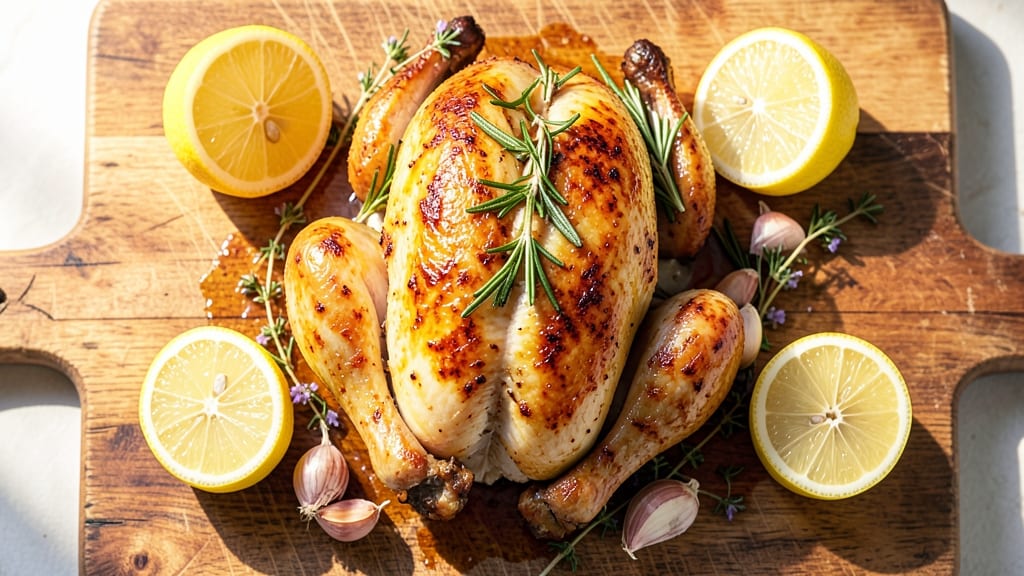
This baked lemon whole chicken recipe delivers a restaurant-worthy centerpiece with minimal effort—juicy meat, crisp golden skin, and bright citrus notes that elevate every bite.
The secret lies in a simple marinade and strategic basting, transforming a basic roast chicken into a showstopper that requires just one pan and 60 minutes of hands-off baking.
I developed this method after years of testing, ensuring the lemon's acidity tenderizes while its oils create a fragrant, caramelized crust that locks in moisture.
The beauty of this approach is its simplicity: no stuffing, no complicated techniques, just a whole chicken rubbed with lemon, garlic, and herbs, then roasted until the internal temperature reaches 165°F.
The lemon's role is multi-functional—it marinates the chicken, bastes during cooking, and even infuses the pan drippings for a flavorful sauce. This method works equally well for weeknight dinners or holiday gatherings, producing a bird that's both impressive and foolproof.
What you'll achieve is a perfectly golden chicken with tender, juicy meat that separates easily at the bone, all while maintaining that bright lemon aroma that makes every bite feel special.
The crisp skin contrasts beautifully with the moist interior, and the pan drippings reduce into a glossy, tangy sauce perfect for drizzling over the finished dish. No one will guess it required less than an hour of active time.
Pair with roasted potatoes, a simple green salad, or crusty bread to soak up those lemony pan juices. The recipe scales perfectly for families or dinner parties, and leftovers reheat beautifully. Let's get started—your weeknight dinner just got an upgrade.
Ingredients for baked lemon whole chicken
Juicy meat and crisp golden skin start with these quality ingredients—simple yet transformative.
| Ingredient | Amount | Notes |
|---|---|---|
| Whole Chicken (3-4 lbs) 🍗 | 3 ½ lb | Fresh, thawed if frozen, skin-on |
| Lemons 🍋 | 2 whole | Organic preferred, zest and juice |
| Garlic Cloves 🧄 | 6 cloves | Fresh, minced for marinade |
| Fresh Rosemary 🌿 | ¼ cup | Chopped, stems removed |
| Fresh Thyme 🌿 | ¼ cup | Leaves only, stems discarded |
| Extra-Virgin Olive Oil 🫒 | ¼ cup | High quality, fruity |
| Kosher Salt 🧂 | 1 ½ tbsp | Diamond Crystal preferred |
| Ground Black Pepper 🌶️ | 1 tsp | Freshly cracked |
| Honey 🍯 | 1 tbsp | Raw preferred for flavor |
| Butter 🧈 | ½ cup | Unsalted, softened for basting |
| Fresh Parsley 🌿 | ⅛ cup | Chopped, for garnish |
The chicken is the foundation, so prioritize quality. A 3-4 lb bird yields perfect portions for four, with skin that crisps beautifully. Local butchers often carry superior options, but major grocery chains like Whole Foods or Trader Joe's carry well-sourced chickens too. Look for vibrant color and firmness—no grayish skin or slimy patches. The lemons should be bright yellow with thick zest; organic lemons have more intense flavor. Fresh herbs are non-negotiable here—dried won't deliver the same aromatic punch. If you must use dried, reduce to one-quarter the amount and toast the rosemary whole for 30 seconds in a dry pan first.
No organic lemons? Conventional lemons work fine—just scrub them well. Short on rosemary? Fresh sage or thyme can substitute at the same quantity, though rosemary's piney note is ideal. Olive oil matters—skip the cheap stuff; California extra-virgin from Lucini or Colavita elevates the dish. Honey can be swapped for maple syrup if needed, though it won't caramelize the same way. The butter is for basting—use European-style unsalted like Plugrá for richer flavor. For a lighter touch, reduce to 0.25 cup and add an extra tablespoon of olive oil to the marinade.
Chicken keeps best in the coldest part of your fridge for up to 2 days before cooking. Fresh herbs? Wrap them in damp paper towels and store in a sealed container for 5 days. The marinade ingredients (except honey) can be prepped 1 day ahead and stored in the fridge. Leftover chicken reheats beautifully—350°F for 15 minutes covered with foil—though it's even better cold for sandwiches. The pan drippings reduce into a glossy sauce; freeze extras in ice cube trays for future use. This recipe scales perfectly for 6-8 servings—just increase chicken size proportionally and adjust oven time accordingly.
Why You'll Love This Recipe
- No-Fuss Prep: I’ll be real—this chicken takes five minutes to prep. Just slice a few lemons, smash some garlic, and toss in herbs. No brining, no basting, no stress. The oven does all the work while I sip my coffee.
- Zesty, Herby Magic: That bright lemon juice and rosemary-thyme combo? It’s like sunshine in your mouth. The garlic gives it a deep, savory punch, and the skin gets crispy enough to shatter—chef’s kiss—without drying out the meat.
- Weeknight Wonder: Between us, this is my go-to for busy nights. Serve it with roasted potatoes and a simple salad, or turn leftovers into shredded chicken for wraps the next day. Honestly, it’s the kind of meal that makes you look like a hero.
- Leftovers That Don’t Suck: Most baked chickens turn into sad, dry scraps. Not this one. The lemon keeps it juicy, and I’ve got three meals’ worth of lunches or sandwiches ready in one go. Plus, it’s cheaper than takeout—always a win.
Step-by-step instructions for baked lemon whole chicken
Transform a simple whole chicken into a restaurant-worthy centerpiece with crispy skin and tender meat.
Prepare the Chicken with Lemon and Herbs
Begin by preheating your oven to 425°F with a rack positioned in the middle position. Pat the 3.5 lb whole chicken completely dry with paper towels—this is crucial for achieving crispy skin. Remove any excess fat pads to prevent flare-ups.
In a small bowl, combine the zest and juice of 2 whole lemons, 6 cloves minced garlic, 0.25 cup chopped fresh rosemary, 0.25 cup fresh thyme leaves, 0.25 cup extra-virgin olive oil, 1.5 tbsp kosher salt, and 1 tsp freshly cracked black pepper. Rub this mixture all over the chicken, including inside the cavity. Let it marinate uncovered in the refrigerator for at least 30 minutes—this ensures maximum flavor penetration.
Here's the thing—don't skip the drying step. Even if the chicken feels cold, the moisture must evaporate before baking. This creates that golden crust we're after. If you're short on time, let it sit at room temperature for 15 minutes before baking to help it cook more evenly.
Create the Honey-Butter Basting Mixture
In a small bowl, combine 0.5 cup softened unsalted butter with 1 tbsp raw honey. This mixture will bast the chicken throughout baking, adding sweetness and moisture. Spread this mixture evenly over the chicken's skin, focusing on the breast and drumstick areas where it tends to dry out.
The honey acts as a natural glaze that caramelizes during baking, enhancing the golden color and adding depth of flavor. Don't be shy with the butter—it's what creates that beautiful sheen and prevents dryness. I like to press it into the skin slightly with my fingers to ensure even distribution.
Bake with Strategic Basting
Place the seasoned chicken on a wire rack set inside a rimmed baking sheet. The rack allows air to circulate underneath, preventing soggy skin. Bake at 425°F for 45 minutes, then reduce heat to 375°F and continue baking for another 45-60 minutes.
Here's where attention to detail matters: Every 15 minutes after the first hour, use a spoon to baste the chicken with its juices. This keeps the meat moist and develops that signature golden-brown crust. You'll know it's ready when the internal temperature reaches 165°F at the thickest part of the thigh (not touching bone) and the skin is deep golden brown with crispy edges.
Real talk: Your oven might run hot, so start checking at the 20-minute mark after the temperature reduction. The chicken is done when it releases easily from the rack and the juices run clear when pierced. If the skin starts to darken too quickly, tent loosely with foil to prevent over-browning.
Rest and Garnish for Presentation
Once the chicken reaches 165°F, remove it from the oven and transfer to a cutting board. Let it rest for 15-20 minutes before carving. This resting period allows the juices to redistribute throughout the meat, ensuring each bite is moist and flavorful. Don't skip this step—I've learned the hard way that skipping it results in dry, stringy meat.
While the chicken rests, make a simple pan sauce by skimming any rendered fat from the baking sheet and deglazing with 2 tablespoons lemon juice and 1 tablespoon honey. Whisk in 2 tablespoons softened butter until smooth. Garnish the chicken with 0.125 cup chopped fresh parsley and drizzle with the lemon-honey sauce before serving.
The result should be a chicken with crispy, golden skin that gives way to juicy, tender meat infused with bright lemon and aromatic herbs. Each slice should be moist, flavorful, and perfectly cooked through—no dryness, no toughness, just pure, satisfying chicken.
Pro Tips For Making Baked Lemon Whole Chicken
- USE A THERMOMETER: I learned this the hard way—overcooking a chicken turns it dry faster than you can say "lemon zest." Stick that probe into the thickest part of the thigh (no bone) and pull it out when it hits 165°F. The skin will be golden, the juices will run clear, and you’ll avoid the sad, rubbery texture that ruins good intentions.
- ZEST THOSE LEMONS: Skip the juice-only shortcut—grate the zest from half a lemon and mix it into your butter or oil. That bright, citrusy punch makes a real difference, especially when paired with rosemary. (Yes, even if you’re impatient like me, take the 30 seconds to zest—your future self will notice.)
- DON’T SKIP THE DRYING: Pat that chicken thoroughly with paper towels before you even think about seasoning. Wet skin = steam instead of crispy skin. I used to rush this, and my lemon-butter crust would turn out soggy. Take the 2 minutes—it’s the thing that matters most for that perfect golden crust.
- STUFF THE CAVITY RIGHT: After trussing, tuck 3-4 garlic cloves, a sprig of rosemary, and a lemon half (cut side up) into the cavity. The heat will render the garlic into the meat, and the lemon will infuse the juices. (Does it look weird? Yes. Does it work? Every single time.) No need for fancy twine—just fold the legs together and secure with a toothpick if you’re lazy.
Storing and reheating this baked lemon whole chicken
Refrigerator Storage
Store your baked lemon whole chicken in an airtight container or wrapped tightly in plastic wrap and aluminum foil to preserve moisture. Place it in the refrigerator for up to 3 days—the lemon and herb flavors actually deepen overnight.
I always let it cool completely before storing to prevent condensation, which can make the skin soggy. 💛
Freezer Storage
For longer storage, freeze the chicken in a freezer-safe bag or airtight container with all the juices. Label with the date and freeze for up to 3 months.
Thaw overnight in the fridge before reheating. I recommend portioning it into individual servings for easy use—just reheat what you need without defrosting the whole bird.
Reheating Methods
For best results, reheat chicken in the oven at 350°F for 15-20 minutes covered with foil to retain moisture. Add 1 tablespoon chicken broth to the container to prevent drying. Microwave reheating works in a pinch—cover with a damp paper towel and heat in 30-second intervals until reaching 165°F.
The skin won't be as crispy, but the meat stays juicy.
Pan Sauce Revival
Save any leftover pan drippings in an ice cube tray—they make an instant sauce! Reheat the frozen cubes in a small saucepan over medium heat for 2-3 minutes, then whisk in 1 tablespoon butter and 1 teaspoon lemon juice for a quick flavor boost.
This works perfectly for drizzling over sandwiches or pasta the next day.
Leftover Uses
Shred the chicken for lemon herb wraps with hummus and greens, or chop it for chicken salad with mayo, lemon zest, and celery. The bright lemon notes make it perfect for springtime dishes—try it in a lemon risotto or as a topping for roasted vegetables.
The possibilities are endless, and the flavor stays vibrant for days. ✨
Nutrition facts
Frequently asked questions
Can I use bone-in or boneless chicken thighs for this recipe?
This recipe is specifically designed for a whole chicken, but if you're working with thighs, opt for bone-in, skin-on pieces. For thighs, bake at 400°F for 35-40 minutes until the internal temperature reaches 165°F. The skin-on version crisps beautifully, while bone-in thighs stay juicier. For boneless thighs, reduce baking time by 10-15 minutes to prevent drying.
Why is my chicken skin not crispy like in the photos?
Crispy skin starts with completely dry chicken—pat it thoroughly before seasoning. Another key step is using a wire rack to elevate the chicken, allowing air to circulate underneath. If your oven runs hot, reduce the temperature to 375°F after the initial 45 minutes to prevent over-browning. Finally, ensure you're basting with the butter-lemon mixture every 15 minutes.
Can I bake this chicken without the honey?
Yes, but you'll miss the caramelized depth and slight sweetness that balances the lemon's acidity. If you omit honey, increase the olive oil to 0.35 cup and add 1 teaspoon maple syrup as a substitute. The honey also helps create the glossy finish on the skin, so it's worth including if possible.
How do I adjust the recipe for a larger chicken (5-6 lbs)?
Increase all ingredients proportionally—double the marinade and basting mixture. For a 5-6 lb chicken, bake at 425°F for 60 minutes, then reduce to 350°F for an additional 60-90 minutes. Monitor closely, as larger birds take longer to cook through. The key is maintaining the 165°F internal temperature at the thickest part of the thigh.
What's the best way to use leftover lemon chicken?
Shred for lemon herb wraps with hummus and arugula, or chop finely for chicken salad with Greek yogurt and celery. The bright lemon flavor also works beautifully in spring pasta dishes or as a topping for roasted asparagus. For a quick meal, toss with couscous, lemon zest, and toasted almonds.