
Main Courses
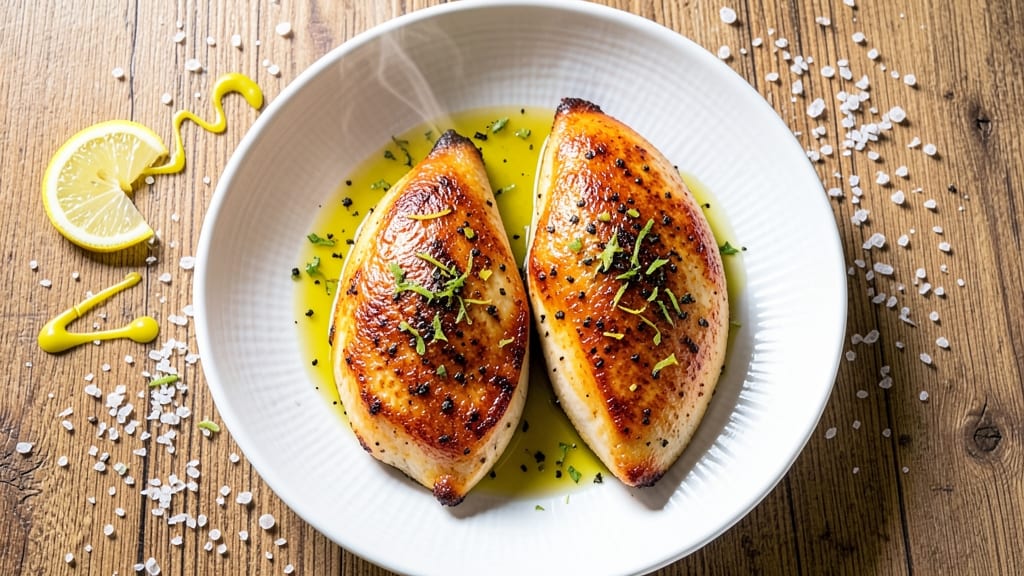
This baked lemon pepper chicken breast recipe delivers a restaurant-quality meal with a zesty crisp crust and juicy inside—no frying required. The secret lies in a dry marinade that tenderizes while creating that perfect textural contrast: crisp edges that shatter with each bite, paired with succulent, evenly cooked meat.
I perfected this technique after years of battling dry chicken, and it now reliably produces results that impress even skeptical guests.
The process is foolproof for home cooks: simply coat the chicken in a blend of lemon zest, cracked black pepper, and a touch of olive oil, then bake at 400°F until the internal temperature reaches 165°F.
The high heat ensures the crust forms quickly while the lemon's acidity keeps the meat from drying out. No marinating overnight—just 15 minutes of prep and 25 minutes in the oven, making it ideal for weeknight dinners.
What you'll end up with is chicken that's golden and fragrant, with a bright citrus-pepper aroma filling your kitchen. The crust stays crisp even after resting, while the inside remains tender and moist, thanks to the lemon's natural humectant properties.
This dish pairs beautifully with roasted vegetables or a simple salad, but the chicken stands strong enough to be the star of any meal.
For extra flair, finish with a squeeze of fresh lemon juice and a sprinkle of chopped parsley before serving. The acidity brightens the flavors, and the herbs add a pop of color.
This recipe proves that simple techniques can yield restaurant-quality results—without the fuss or the mess. Let's get baking!
Ingredients for baked lemon pepper chicken breast
Nine essential ingredients transform simple chicken into a restaurant-worthy dish with crispy perfection.
| Ingredient | Amount | Notes |
|---|---|---|
| Boneless, Skinless Chicken Breast 🍗 | 1 ½ lb | Evenly sized pieces, pounded to 0.5-inch thickness |
| Lemon Zest 🍋 | 2 tbsp | Freshly grated, vibrant yellow color |
| Fresh Lemon Juice 🍋 | 2 tbsp | From 1 medium lemon, freshly squeezed |
| Extra-Virgin Olive Oil 🫒 | 1 tbsp | High-quality, fruity variety |
| Coarsely Ground Black Pepper 🌶️ | 1 ½ tbsp | Freshly cracked, not pre-ground |
| Diamond Crystal Kosher Salt 🧂 | 1 tsp | Fine grain preferred |
| Fresh Parsley 🌿 | ¼ cup | Chopped, flat-leaf preferred |
| All-Purpose Flour 🌾 | 1 tbsp | For light dusting |
| Garlic Cloves 🧄 | 2 cloves | Minced, for optional finishing |
The chicken breast quality is non-negotiable here—look for pieces with even thickness and minimal fat streaks, as these cook more uniformly. Whole Foods Market or your local butcher shop often carry premium cuts, but any reputable grocery store's pre-portioned breasts will work. Pounding the breasts to 0.5-inch thickness ensures even cooking; use a meat mallet or rolling pin. For the lemon, organic lemons from the produce section deliver brighter flavor, but conventional will suffice. Freshly grated zest is critical—the pre-grated kind loses potency quickly. If you're short on time, zest a whole lemon and freeze the unused portion for future recipes.
No fresh lemon juice? Bottled lemon juice works in a pinch, though it lacks the bright acidity of fresh. Substituting the olive oil? Avocado oil has a similar neutral profile, but avoid vegetable oil—it lacks the fruity notes that complement the crust. The black pepper should be coarsely cracked for texture; pre-ground loses its punch. For a salt alternative, sea salt at a 1:1 ratio works, but Diamond Crystal kosher salt dissolves more easily. Fresh parsley is ideal, but dried parsley at one-third the amount can substitute if needed. The flour is just for dusting—don't skip it, but measure carefully to avoid a heavy crust.
Store raw chicken in the coldest part of your fridge, using within 2 days for optimal texture. Lemon zest and juice can be prepped ahead and stored in an airtight container for up to 3 days. The finished chicken reheats beautifully—cover with foil and warm at 350°F for 10 minutes. For meal prep, portion into airtight containers with a paper towel to absorb moisture, keeping for 3 days in the fridge or 3 months frozen. The crust stays crisp when reheated gently, but avoid microwaving—it turns soggy.
Why You'll Love This Recipe
- Foolproof Timing: I swear by this recipe when I’ve got 15 minutes to spare. No brining, no marinating—just a quick toss of olive oil, lemon zest, and pepper before it hits the oven. The chicken stays juicy without fuss, and honestly? That’s my kind of magic.
- Zesty Crisp Edge: The secret’s in the black pepper—coarsely ground so it clings to the skinless breasts like a flavor hug. Baked until golden, it delivers that perfect crispy edge while the inside stays tender. Between us, the lemon juice keeps it from drying out, and that zest? Pure sunshine in every bite.
- Lunchbox Hero: Between us, this is my go-to for meal prep. Slice it, pack it, and it’s still delicious three days later—no sad, rubbery chicken here. I’ll even throw it in wraps for a quick lunch or toss it into salads when I’m tired of boring greens. (Yes, even on a Tuesday.)
- Budget-Friendly Powerhouse: Skinless chicken breasts are cheap, and this recipe stretches them far. A single pound feeds my family of four, and the leftovers? They’re the reason I don’t order takeout. The lemon and olive oil are affordable staples, too—no fancy ingredients, just solid flavor that won’t break the bank.
Step-by-step instructions for baked lemon pepper chicken breast
Master this technique for perfectly juicy chicken with a crisp, aromatic crust every time.
Prepare the Chicken for Optimal Texture
Begin by placing the 1.5 lb boneless, skinless chicken breast between two sheets of plastic wrap. Using a meat mallet, pound the breasts to an even ½-inch thickness—this ensures even cooking and prevents dryness. I press down firmly but evenly, focusing on the thicker portions first.
Next, season both sides generously with 1.5 tbsp coarsely ground black pepper and 1 tsp diamond crystal kosher salt. The freshly cracked pepper will release its oils more effectively than pre-ground, creating that signature zing. Let the seasoned chicken rest at room temperature for 15 minutes before baking—this allows for more even cooking and better crust formation.
Create the Zesty Crust Mixture
In a small bowl, whisk together 2 tbsp lemon zest, 2 tbsp fresh lemon juice, 1 tbsp extra-virgin olive oil, and the 1 tbsp all-purpose flour. The flour acts as a binder for the citrus marinade, helping it adhere to the chicken and form that coveted crisp crust. I like to mix this just until combined—no need to overwork it.
Spread this mixture evenly over both sides of the chicken breasts, pressing gently to ensure full coverage. The zest will infuse the chicken with bright, citrusy flavor while the flour creates a golden, crackly crust. Let the chicken rest for another 5 minutes while you preheat your oven to 400°F—this gives the marinade time to penetrate slightly.
Bake to Juicy Perfection
Place the chicken breasts on a parchment-lined baking sheet, leaving space between them for even air circulation. Bake at 400°F for 20-25 minutes, until the internal temperature reaches 165°F and the edges are golden brown. I check the temperature with an instant-read thermometer—this is the foolproof way to ensure juicy results.
Here's the critical part: don't overcook. The chicken will continue cooking slightly after removal from the oven. If the top isn't brown enough after 20 minutes, broil for 1-2 minutes at the end, watching closely to prevent burning. The crust should be crisp while the inside remains tender and moist.
Rest and Finish with Fresh Herbs
Remove the chicken from the oven and transfer it to a cutting board. Tent loosely with aluminum foil and let rest for 5-10 minutes. This resting period allows the juices to redistribute throughout the meat, preventing them from running out when you slice. I always resist the urge to cut into it immediately—patience here makes all the difference.
While the chicken rests, finely chop the 0.25 cup fresh parsley and the 2 cloves garlic (if using). Just before serving, sprinkle the parsley and garlic over the top for a fresh, aromatic finish. The parsley brightens the dish while the garlic adds subtle depth. Slice the chicken against the grain for maximum tenderness and serve immediately.
Pro Tips For Making Baked Lemon Pepper Chicken Breast
- USE A MEAT MALLET: I learned this the hard way—skipping this step means uneven cooking. Give those chicken breasts a firm pound to even thickness (about ½-inch), so they don’t dry out in spots while the edges burn.
- ZEST FIRST, JUICE LATER: Fresh lemon zest packs the brightest flavor, but it fades fast. Grate it fresh right before seasoning, then squeeze the juice last—this keeps the citrus punch sharp instead of bitter.
- SKIP THE CROWDING: Tightly packed chicken steams instead of browning. Space them at least ½-inch apart on the baking sheet, and if you’re short on space, bake in batches.
- BRINE FOR 20 MINUTES: Even skinless breasts benefit from a quick salt bath. Toss them in ice water with 1 tablespoon salt per quart for 20 minutes—it keeps them juicy and lets the lemon pepper seasoning cling better. (Yes, even if you’re impatient like me.)
Flavor customization for this recipe
Spicy Kick Options
For those who love heat, add ½ teaspoon of cayenne pepper or 1 teaspoon of crushed red pepper flakes to the crust mixture. I find that cayenne delivers a smoother burn while red pepper flakes add texture and color.
If you're feeling adventurous, try 1 teaspoon of gochujang paste mixed into the marinade for a Korean-inspired depth. 🌶️
For a milder heat, substitute ½ teaspoon of smoked paprika instead of cayenne—it adds warmth without the sharpness. Always taste the crust mixture before applying to ensure the heat level matches your preference. Remember, flavors intensify as the chicken bakes, so start conservatively.
Sweet-Tangy Twist
Balance the peppery heat with a touch of sweetness by adding 1 teaspoon of honey or maple syrup to the crust mixture. The natural sweetness complements the lemon beautifully and creates a caramelized crust when baked.
I often use local raw honey from my farmers' market for extra depth of flavor.
For a more complex profile, add ½ teaspoon of orange zest along with the lemon zest. The citrusy sweetness of orange pairs wonderfully with the pepper and lemon, creating a bright, tropical-inspired crust. This variation works especially well when serving with mango salsa or a citrusy salad.
Herb Variations
Swap out parsley for thyme or rosemary when finishing the chicken. Fresh thyme adds an earthy note that pairs beautifully with lemon, while rosemary brings a piney aroma that stands up to the pepper.
I like to finely chop 1 tablespoon of fresh thyme leaves and sprinkle it over the top just before serving.
For a Mediterranean twist, add 1 teaspoon of dried oregano to the crust mixture along with a pinch of ground coriander. The oregano enhances the lemon's brightness, while coriander adds a subtle citrusy note that complements the pepper perfectly. This variation works exceptionally well with roasted Mediterranean vegetables.
Umami Depth
Elevate the dish with umami by adding 1 teaspoon of soy sauce or Worcestershire sauce to the crust mixture. The savory depth balances the acidity of the lemon and enhances the pepper's complexity. I recommend using low-sodium soy sauce to avoid over-salting the chicken.
For a richer flavor, incorporate 1 tablespoon of grated Parmesan cheese into the crust. The nutty, salty notes of Parmesan create a delicious contrast with the bright lemon and pepper. This variation is particularly satisfying when paired with creamy mashed potatoes or a rich risotto.
Global Flavors
Transform this classic recipe into a Moroccan-inspired dish by adding ½ teaspoon of ground cumin and ¼ teaspoon of cinnamon to the crust. The warm spices complement the lemon beautifully and create a fragrant, exotic flavor profile. Serve with couscous or flatbread for a complete meal.
For an Italian twist, replace the black pepper with ½ teaspoon of fennel seeds (lightly toasted and ground) and add ½ teaspoon of dried basil to the crust.
The anise notes from fennel pair wonderfully with lemon, creating a bright and aromatic dish that's perfect for a summer dinner. 🌟
Nutrition facts
Frequently asked questions
Can I use chicken thighs instead of breasts?
Chicken thighs have more fat and moisture, so they'll stay juicy but won't develop the same crisp crust. If you must use them, reduce the baking time to 18-20 minutes and watch closely for 165°F internal temperature. The crust may be softer, but the flavor will still be delicious. For best results, stick with breasts for that signature texture.
Why is my lemon pepper crust not crispy?
The crust needs proper airflow and high heat to crisp. Ensure your oven is fully preheated to 400°F and place chicken on a wire rack over a baking sheet for better air circulation. Also, don't overcrowd the pan—leave 1-inch between pieces. If the crust is still soft, broil for 1-2 minutes at the end (watch closely!).
How do I prevent dry chicken?
Pounding to ½-inch thickness and using fresh lemon juice (not zest alone) keeps it moist. Never skip the 15-minute room temp rest before baking—this ensures even cooking. For extra insurance, brush the chicken with 1 teaspoon olive oil before applying the crust. The lemon's acidity naturally tenderizes the meat.
Can I make this ahead of time?
Yes! Cook the chicken up to 2 days ahead and store in an airtight container. Reheat at 350°F for 10-12 minutes covered with foil. For make-ahead prep, marinate the chicken (without flour) overnight in the fridge, then apply the crust and bake fresh. The crust stays crisp when reheated gently.
What's the best way to serve this dish?
This lemon pepper chicken pairs beautifully with roasted potatoes, garlic green beans, or a fresh arugula salad. For a complete meal, serve with ½ cup quinoa or crusty bread. The bright citrus flavors work especially well with creamy sides like mashed potatoes or lemon risotto.