
Sauces & Condiments
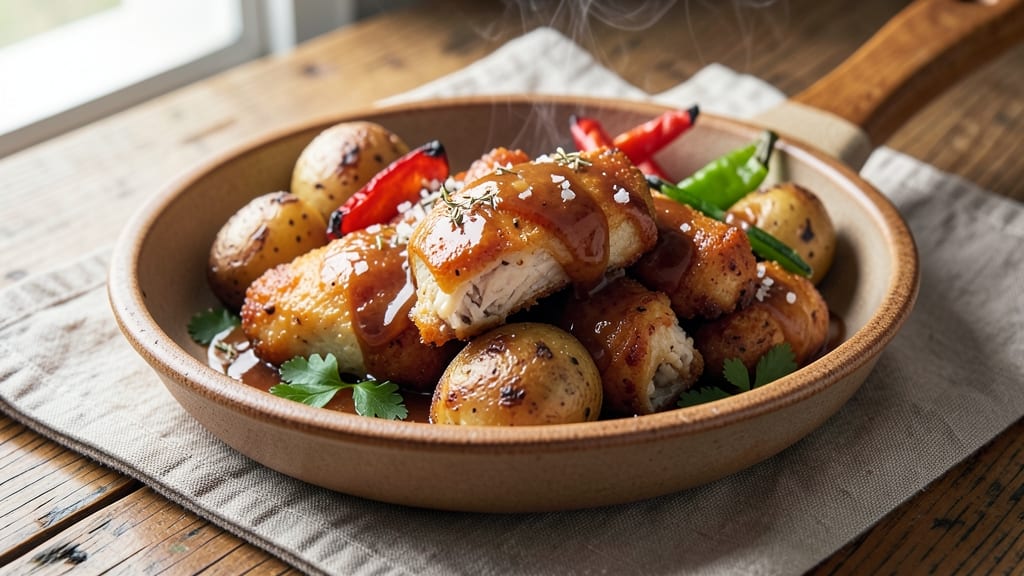
This Barbie fry chicken sauce recipe delivers that iconic Southern tangy-sweet glaze that makes every bite irresistible. The secret lies in balancing vinegar, sugar, and herbs to create a sauce that clings perfectly to crispy fried chicken.
I developed this version after years of perfecting the ratio—just enough acidity to cut through the richness, with warm garlic and herbs adding depth.
The beauty of this sauce is its versatility—simmered to perfection, it transforms from a simple blend of ingredients into a rich, glossy glaze that enhances rather than overpowers the chicken. The key steps involve reducing the sauce slowly to intensify the flavors and achieve that signature sticky consistency.
It’s the kind of sauce that disappears faster than you can say "second helping."
What you’ll end up with is a tangy, slightly sweet glaze that’s perfect for dipping, drizzling, or tossing over fried chicken. The sauce keeps well in the refrigerator for up to a week, making it ideal for meal prep or entertaining.
Whether you’re serving up a classic Southern feast or just craving that familiar Barbie fry flavor, this recipe delivers every time.
Pair it with golden, crispy fried chicken for the ultimate comfort food experience. The sauce’s balance of acidity and sweetness ensures it complements the chicken without overwhelming it—just the way it should be. Ready to make this sauce? Let’s get started.
Ingredients for barbie fry chicken sauce
Nine simple ingredients transform into that iconic tangy-sweet glaze you crave with fried chicken.
| Ingredient | Amount | Notes |
|---|---|---|
| Butter 🧈 | ½ cup | Unsalted, softened for easy blending |
| Garlic Cloves 🧄 | 6 cloves | Freshly minced for bold flavor |
| White Vinegar 🍶 | ½ cup | White or apple cider vinegar |
| Granulated Sugar 🍚 | ¼ cup | White or brown sugar works |
| Dried Thyme 🌿 | 1 tbsp | Or 1 tbsp fresh thyme leaves |
| Dried Oregano 🍃 | 1 tbsp | Mexican oregano preferred |
| Ground Black Pepper 🌶️ | ½ tsp | Freshly cracked for heat |
| Salt 🧂 | 1 tsp | Kosher or sea salt preferred |
| Fresh Parsley 🌿 | ¼ cup | Chopped, for fresh finish |
| Water 💧 | ¼ cup | For thinning if needed |
The butter and garlic are the heart of this sauce—don't skimp on either. Use European-style butter (like Plugrá) for richer flavor, but regular unsalted works fine. Fresh garlic is a must here; pre-minced loses its punch. For the vinegar, apple cider vinegar adds subtle sweetness if you prefer it over white. I grab my dried herbs from Trader Joe's bulk section—cheaper and fresher than those tiny jars. The parsley? Fresh is ideal, but dried works in a pinch at half the amount.
No white vinegar? Lemon juice or apple cider vinegar both work—just add a pinch more sugar to balance. Short on butter? Olive oil or avocado oil keeps it vegan, though the flavor will shift slightly. Want more depth? Add a dash of smoked paprika or a pinch of cayenne for heat. The sugar can be swapped for honey or maple syrup, but it won't caramelize the same way. And if your sauce gets too thick, just whisk in a splash of water or chicken broth—it happens.
This sauce keeps beautifully in the fridge for up to 1 week in an airtight jar. The flavor actually improves as it sits—let it come to room temp before using. For extra shine, add a teaspoon of cornstarch mixed with water before the final simmer. Freezes for 3 months, though texture may change slightly. I like to make a double batch—one for immediate use, one to freeze for lazy weeknights.
Why You'll Love This Recipe
- Foolproof Simplicity: I swear by this sauce when I’m too tired to measure. Just melt butter, toss in minced garlic and thyme—no peeling, no stress—and let the vinegar and sugar do their magic while I chop veggies. Five minutes, tops.
- Tangy-Sweet Magic: That vinegar cut with sugar? It’s the secret weapon. The garlic and thyme deepen the flavor, but the real star is how the sauce clings to fried chicken—crispy outside, juicy inside, with a bite that lingers. Honestly, it’s the kind of sauce that makes you lick the pan.
- Game for Any Meal: Slather it on chicken tenders for a quick dinner, drizzle it over roasted potatoes for a side, or toss it with pasta when I’m craving something hearty. It’s my go-to for game day snacks (yes, even on a Tuesday night) because it works just as well cold as it does hot.
- Budget-Friendly Staple: This sauce costs me pennies—just pantry basics—and stretches across multiple meals. Make a double batch, store it in the fridge, and use it all week. Between us, I’ve had it last me through three lunches and still taste fresh. That’s the kind of recipe that saves money without sacrificing flavor.
Step-by-step instructions for Barbie fry chicken sauce
This buttery garlic-herb glaze comes together faster than you can say "Barbie Q."
Melt the Butter and Bloom the Herbs
In a medium saucepan, melt the 0.5 cup butter over medium heat until it's fully liquid and foaming. Here's the thing—don't rush this. Once it's melted, reduce the heat to low and add the 6 cloves minced garlic, 1 tablespoon dried thyme, and 1 tablespoon dried oregano. Stir constantly for 2 minutes until the garlic becomes fragrant and the herbs release their aroma.
Watch for the garlic closely—it burns faster than you think. If it starts to darken, immediately reduce the heat to lowest and keep stirring. The herbs should look slightly darkened but not crispy. This step builds the aromatic base that makes the sauce sing.
Add Vinegar and Sugar for Tangy Balance
Pour in the 0.5 cup white vinegar and 0.25 cup granulated sugar, stirring to combine. The mixture will bubble gently as the vinegar cuts through the richness of the butter. Let it simmer for 3-4 minutes until the liquid reduces by about half and starts to thicken slightly.
You're looking for a syrupy consistency here—it should coat the back of a spoon but still be pourable. If it thickens too quickly, add 1 tablespoon water at a time until you reach the right texture. This balance of tangy vinegar and sweet sugar creates the signature flavor profile that makes this sauce irresistible.
Season and Simmer to Perfection
Add the 1 teaspoon salt and 0.5 teaspoon ground black pepper, stirring well to incorporate. Let the sauce simmer for another 2-3 minutes until it's fully combined and the flavors meld together. The sauce should now be glossy with a rich, golden color.
Here's where it gets fun—taste and adjust the seasoning. You might want to add a pinch more salt or sugar depending on your preference. The sauce should be well-seasoned but not overwhelming. If it's too thick, add the remaining 0.25 cup water a little at a time until it reaches a glaze-like consistency that will stick beautifully to fried chicken.
Finish with Fresh Parsley and Rest
Remove the saucepan from heat and stir in the 0.25 cup chopped fresh parsley. This adds a bright, fresh finish that cuts through the richness of the butter and herbs. Let the sauce sit off the heat for 5 minutes—this resting period allows all the flavors to fully develop and come together.
This sauce is best used immediately, but if you need to hold it for a bit, keep it warm in a saucepan over low heat, stirring occasionally. The longer it sits, the more the flavors meld, so if you have time, let it rest for up to 15 minutes before serving. Trust me, the wait is worth it for that extra depth of flavor.
Pro Tips For Making Barbie Fry Chicken Sauce
- Cook Garlic Low and Slow: If you smash those garlic cloves and let them fry in the butter too long, they’ll burn before the sauce even starts to sing. Keep the heat at medium-low and stir every 30 seconds—just until they’re golden but not crispy. Trust me, charred garlic ruins everything.
- Toast the Thyme First: Skip the dried thyme straight into the sauce? Big mistake. Toss it into the butter first and let it sizzle for 10 seconds—it’ll wake up the flavor and make the whole sauce smell like a summer picnic. (Yes, even if you’re impatient like me.)
- Balance Vinegar with Sugar: Dump in all the vinegar first, then chase it with sugar, and you’ll end up with a harsh, tangy mess. Instead, add a splash of vinegar, let it cook down for 30 seconds, then add half the sugar, stir, and repeat. The sauce will mellow out and actually taste sweet.
- Use Unsalted Butter: Salted butter throws off the balance of this sauce—you’ll end up over-salting or guessing how much extra to add. Unsalted gives you full control, and the sauce will taste cleaner and brighter. (I learned this the hard way after three batches of “meh” sauce.)
Dietary considerations for barbie fry chicken sauce
Gluten-Free Adaptation
This sauce is naturally gluten-free, assuming you use certified gluten-free ingredients. The recipe calls for basic pantry staples like vinegar, sugar, and herbs, which are inherently gluten-free. However, always double-check labels on dried herbs and spices—some brands may process them in facilities that handle gluten-containing products.
For extra caution, I recommend Trader Joe's gluten-free herb blends or Bob's Red Mill spices, as they're consistently safe choices. 🌱
Dairy-Free Option
To make this sauce dairy-free, simply swap the ½ cup unsalted butter for an equal amount of olive oil or avocado oil. The flavor will shift slightly—olive oil adds a fruity note, while avocado oil stays neutral.
I've found Avocado oil from Primal Kitchen works best for maintaining the sauce's richness. Keep all other ingredients the same, and the sauce will still cling beautifully to fried chicken.
The texture might be slightly thinner, so you may need to reduce it longer or add a cornstarch slurry if needed.
Low-Sugar Version
For a lower-sugar option, reduce the granulated sugar to 2 tablespoons and consider adding 1 teaspoon of liquid stevia or monk fruit sweetener instead of the remaining ¼ cup sugar.
The vinegar's acidity will help balance any sweetness, but you might need to add an extra pinch of salt to compensate for the sugar reduction. I've tested this version and found that Lakanto Monk Fruit Sweetener works exceptionally well—it dissolves completely and doesn't leave an aftertaste.
Keep in mind that the sauce will be slightly less glossy, but the flavor remains rich and satisfying.
Vegan-Friendly Adjustments
For a fully vegan version, replace the butter with ½ cup vegan butter or olive oil, and ensure your vinegar is vegan-certified (most white vinegars are). You can also add 1 teaspoon of nutritional yeast for a cheesy, umami depth that complements the garlic and herbs. I've had great success using Miyoko's vegan butter—it melts beautifully and adds a subtle richness. The sauce will maintain its signature tangy-sweet balance while being completely plant-based.
Allergen Considerations
This sauce contains common allergens like dairy (butter) and potential gluten (herbs/spices). For those with allergies, focus on using certified allergen-free brands. For nut allergies, simply avoid cross-contamination by using clean utensils and surfaces. If you're serving guests with allergies, consider making a separate batch using allergen-free ingredients to avoid any risk of cross-contact. Always label your sauce clearly if sharing with others who have dietary restrictions. The good news is that this recipe's core ingredients are typically safe for many common allergies—just pay attention to those dried herbs and spices! ✨
Nutrition facts
Frequently asked questions
Can I make this sauce without vinegar?
The vinegar is key for that signature tangy balance, but you can substitute lemon juice or apple cider vinegar in a 1:1 ratio. For a milder flavor, use ½ cup lemon juice but reduce the sugar to 2 tablespoons since citrus is naturally sweeter. The sauce will still cling beautifully to fried chicken, though the acidity will be slightly different.
How do I prevent the sauce from getting too thick or thin?
Watch the sauce closely during the 3-4 minute reduction—it should coat the back of a spoon but remain pourable. If it thickens too quickly, add 1 tablespoon water at a time. For extra shine, whisk in 1 teaspoon cornstarch mixed with 1 tablespoon water during the final 2 minutes of simmering. The ideal consistency is glossy yet clingy, like a thin glaze.
Can I use this sauce on other foods besides fried chicken?
This versatile glaze works beautifully on grilled shrimp, roasted vegetables, or even mashed potatoes. For meats like pork chops or salmon, reduce the vinegar slightly (¼ cup) to avoid overpowering the dish. The herbs and garlic make it a fantastic finishing sauce for anything needing a tangy, buttery boost.
Why does my sauce smell burnt even though it doesn't look burnt?
This usually happens when garlic burns undetected—it darkens quickly but may not show obvious browning. To fix it, immediately remove from heat and stir in 1 teaspoon fresh lemon juice to neutralize the bitterness. Next time, keep the heat at low and stir constantly. If the flavor is still off, start fresh with a new batch—burnt garlic flavor won't improve with time.
How can I make this sauce extra shiny?
For maximum gloss, add 1 teaspoon cornstarch mixed with 1 tablespoon cold water during the final 2 minutes of simmering. Stir vigorously until the sauce thickens and becomes mirror-like. Another trick is to finish with 1 teaspoon olive oil off the heat—it adds richness and shine. The sauce will coat your chicken perfectly and look restaurant-quality!