
Sauces & Condiments
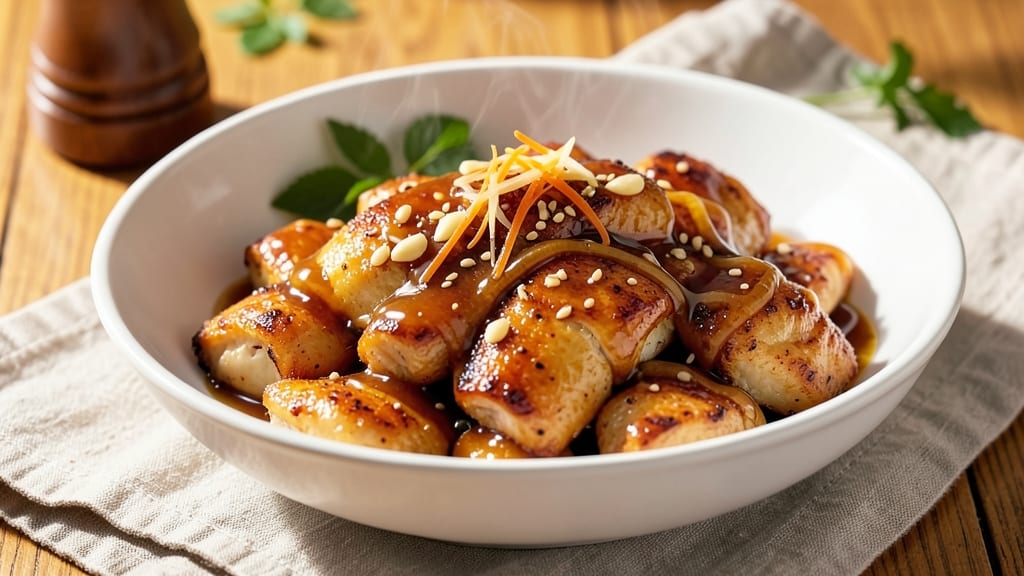
This basic chicken stir-fry sauce recipe transforms simple pantry staples into a bold, umami-rich sauce that elevates any stir-fry in minutes. The secret lies in balancing salty soy sauce with sweetness and acidity—creating a sauce that's savory, slightly tangy, and perfectly sticky. I developed this version after testing countless combinations, and it consistently delivers restaurant-quality flavor without requiring specialty ingredients.
What makes this sauce special is its versatility and simplicity. With just five core ingredients—soy sauce, garlic, ginger, honey, and rice vinegar—you can adjust the ratios to suit your taste. The sauce thickens slightly as it sits, making it ideal for tossing with chicken, vegetables, or noodles.
Unlike store-bought versions, this one avoids artificial additives, giving you control over the salt and sweetness levels.
The result is a glossy, aromatic sauce that coats every bite with deep umami flavor while keeping the natural taste of your protein intact. It works equally well for quick weeknight meals or meal prep, and a small batch keeps beautifully in the fridge for up to a week.
The key is simmering the sauce just until the aromatics release their full potential—no complicated techniques required.
Use 2 tablespoons per serving to coat stir-fried chicken or vegetables, or drizzle generously over rice for an instant flavor boost. The sauce also freezes well, making it perfect for stocking your pantry. Here’s everything you need to make it—simple, foolproof, and packed with flavor.
Ingredients for basic chicken stir fry sauce
Five simple ingredients transform into a restaurant-quality sauce that sticks perfectly to stir-fried chicken.
| Ingredient | Amount | Notes |
|---|---|---|
| Soy Sauce 🍶 | ½ cup | High-quality, light or dark preferred |
| Fresh Garlic Cloves 🧄 | 4 cloves | Minced for full flavor release |
| Fresh Ginger Root 🌿 | 1 tbsp | Finely grated, not powdered |
| Honey 🍯 | 2 tbsp | Pure, unprocessed preferred |
| Rice Vinegar 🍶 | 2 tbsp | Seasoned or unseasoned works |
| Sesame Oil 🫒 | 1 tbsp | Toasted sesame oil for aroma |
| Cornstarch 🌾 | 1 tsp | For thickening consistency |
| Red Pepper Flakes 🌶️ | ½ tsp | Optional for heat preference |
| Sea Salt 🧂 | ½ tsp | Adjust to taste after simmering |
The soy sauce is the foundation—Kikkoman or La Choy are reliable choices, but any high-quality brand works. Fresh garlic and ginger are non-negotiable here; powdered substitutes lose depth. I always grab ginger root at Trader Joe's—it's pre-peeled and lasts longer than fresh. For honey, Manuka or clover varieties add subtle floral notes that elevate the sauce. The rice vinegar should be seasoned if you want a touch of saltiness already built in, but unseasoned works too—just add a pinch of salt at the end. Toasted sesame oil is worth the splurge; Kadoya or Bar-Kee brands deliver that nutty aroma you crave.
No soy sauce? Coconut aminos or tamari work in a pinch, though the flavor will differ slightly. Short on ginger? Galangal or cardamom can add complexity, but it's a bigger swap. The cornstarch is key for that silky texture—arrowroot powder works too. Want more depth without heat? Star anise or cinnamon at a pinch adds warmth. The red pepper flakes are optional but recommended; crushed black pepper gives a different kind of kick. Always taste before serving—adjust salt or honey last to balance perfectly.
This sauce thickens as it cools, so stir well before using. Keeps for 1 week in the fridge, sealed tightly. For longer storage, freeze in ice cube trays—thaw and microwave 20 seconds before using. The sesame oil separates when refrigerated; give it a quick shake before adding to stir-fries. Double the batch if you're prepping for the week—it's that good.
Why You'll Love This Recipe
- Pantry Magic: I swear by this sauce because it uses what I already have—no fancy shopping trips. That jar of soy sauce, the ginger I bought weeks ago, even the garlic I forgot about in the drawer? Perfect.
- Umami Bomb: The moment I toss in minced garlic and ginger with soy sauce, the aroma hits like a flavor grenade. Honey rounds it out—sweet, sticky, and impossible to resist.
- Weeknight Flex: Dinner with the kids? Date night? This sauce works for both. Toss it with chicken, noodles, or even tofu, and suddenly you’ve got a meal that feels special without the fuss.
- Budget Hack: Between us, this sauce costs pennies to make. A splash of vinegar, a drizzle of honey—it’s the kind of recipe that lets me feed my family well without breaking the bank. (Yes, even on a Tuesday night.)
Step-by-step instructions for the perfect umami-packed stir-fry sauce
This sauce delivers restaurant-quality depth in minutes—here's how to balance every flavor precisely.
Prepare the Aromatics for Maximum Flavor
Start by mincing the 4 cloves fresh garlic cloves into a fine paste using the flat side of your knife. This ensures even flavor distribution without sharp garlic pieces. Next, finely grate the 1 tablespoon fresh ginger root using a microplane—this releases more aromatic oils than pre-grated ginger. Set both aside in separate small bowls.
The key here is freshness—both garlic and ginger lose potency when pre-minced or powdered. I like to press the garlic cloves against the knife blade with my thumb to extract every bit of juice. For the ginger, use the finest grater setting to create a paste-like consistency that will dissolve completely into the sauce.
Create the Sauce Base with Soy and Vinegar
In a small saucepan, combine the ½ cup soy sauce and 2 tablespoons rice vinegar. Place the pan over medium heat and bring to a gentle simmer, stirring occasionally to prevent scorching. Let it cook for 2-3 minutes until the mixture reduces slightly and becomes fragrant.
This reduction step concentrates the flavors and removes any raw acidity from the vinegar. You'll notice the aroma deepen as the liquid reduces—this is your first sensory checkpoint. If you're using seasoned rice vinegar, you might want to reduce it for just 1-2 minutes to preserve its subtle sweetness. Keep the heat at a gentle simmer; you're not trying to evaporate everything, just concentrate the flavors.
Build the Sweet-Savory Balance
Lower the heat to low and add the minced garlic and grated ginger. Stir constantly for 30 seconds until the raw garlic aroma disappears—this ensures you don't get that harsh, uncooked garlic bite. Then add the 2 tablespoons honey and 1 tablespoon sesame oil, stirring until fully incorporated.
The honey should dissolve completely into the sauce, creating a glossy sheen. Here's where the magic happens: the sweetness of the honey balances the saltiness of the soy sauce while the sesame oil adds nutty depth. Taste the mixture now—you should detect all the components working together, but it's still slightly thin. This is normal; we'll thicken it in the next step.
Thicken and Season to Perfection
In a small bowl, whisk together the 1 teaspoon cornstarch with 1 tablespoon cold water until smooth. Slowly pour this slurry into the saucepan while stirring continuously. Increase heat to medium-low and let the sauce simmer for 1-2 minutes until it thickens to a glossy, coatable consistency.
You'll know it's ready when the sauce coats the back of a spoon and leaves a slight sheen. If it thickens too quickly, add another splash of water. Now's the time to adjust seasoning—add the ½ teaspoon sea salt and ½ teaspoon red pepper flakes, then taste. You might need to add a touch more soy sauce for saltiness or honey for sweetness, depending on your preference. The sauce should be balanced with sweet, salty, umami, and a hint of heat.
Finish with Heat and Ready to Use
Remove the sauce from heat and let it cool slightly for 2 minutes. This resting period allows the flavors to meld completely. Give it a final taste—it should be vibrant with all the flavors working together. The sauce should be thick enough to cling to stir-fried chicken or vegetables without being gluey.
For best results, use the sauce immediately on hot stir-fried chicken or vegetables. The heat will reactivate the sesame oil aroma and make the sauce even more flavorful. If you need to store it, transfer to an airtight container and refrigerate for up to 5 days. When reheating, warm gently over low heat, stirring constantly to prevent skin formation. This sauce is the foundation of countless Asian-inspired dishes—let it shine!
Pro Tips For Making Basic Chicken Stir Fry Sauce
- MINCE GARLIC FINE: Fresh garlic cloves are non-negotiable here, but I learned the hard way—if you chop them too roughly, they’ll burn before releasing their flavor. Use a sharp knife and press down firmly while mincing, aiming for a paste-like consistency. (Yes, it takes 30 seconds extra, but your sauce won’t taste like charred regret.)
- PEEL GINGER LAST: Ginger darkens fast, so don’t prep it until you’re ready to cook. Scrape off the skin with a spoon (no knife needed—it’s faster and safer), then slice or grate it right before adding it to the pan. I used to peel it ahead and ended up with a sad, browned lump that ruined the balance of the sauce.
- LOWER HEAT AFTER HONEY: Honey burns faster than you’d think, especially when mixed with garlic and ginger. Once you add it, crank the heat down to medium-low and stir constantly—this isn’t the time to walk away. I’ve seen sauces go from sweet and glossy to bitter and cloying in under a minute if you’re not paying attention.
- SALT THE SOY FIRST: Don’t just dump in soy sauce straight from the bottle—taste it first. If it’s unsalted (or even lightly salted), add a pinch of flaky sea salt to the soy before mixing it with the other ingredients. I skip this step half the time, and the sauce always tastes flat afterward. (Your future self will notice.)
Troubleshooting perfect results
Sauce Too Thin?
If your stir-fry sauce turns out thinner than expected, don’t panic—this is an easy fix. The most common reason is under-simmering the cornstarch slurry. Simmer for an extra 1-2 minutes while stirring constantly.
For instant thickening, mix ½ teaspoon additional cornstarch with 1 teaspoon cold water, then stir into the sauce until it reaches your desired consistency. 💡
Overpowering Garlic/Ginger?
Too much raw garlic or ginger flavor? Simmer the aromatics for 30-60 extra seconds—this cooks out the harshness. If it’s still too strong, add ½ teaspoon honey or sugar to mellow the intensity. For next time, reduce the garlic to 3 cloves or ginger to ½ tablespoon. 🧄
Sauce Separates When Stored?
The sesame oil often rises to the top when refrigerated. Give it a gentle shake before using, or stir vigorously to re-emulsify. To prevent separation, store the sauce in a small glass jar (not a wide container) and press plastic wrap directly on the surface to minimize air exposure. 🥫
Not Sweet Enough?
If the sauce lacks sweetness, it’s likely because the honey didn’t fully dissolve. Reheat the sauce gently while stirring, then add ½ teaspoon more honey and let it simmer for 30 seconds. For a quicker fix, stir in 1 teaspoon maple syrup or agave. 🍯
Too Salty?
Over-salting happens when using high-sodium soy sauce or adding extra salt. Dilute with 1 tablespoon hot water and stir well. If needed, add 1 teaspoon honey or a splash of rice vinegar to balance the saltiness.
For future batches, reduce soy sauce to ¼ cup and taste before adding salt. 🧂
Lacks Umami Depth?
For a richer umami flavor, add ½ teaspoon fish sauce or 1 teaspoon Worcestershire sauce to the simmering base. Alternatively, mash 1 dried shiitake mushroom into the sauce for earthy depth. If you’re using tamari or coconut aminos, boost umami with ½ teaspoon MSG (optional but effective). 🍄
Nutrition facts
Frequently asked questions
Can I make this stir-fry sauce without cornstarch?
Yes, but the texture will be thinner. For a naturally thickened version, replace the cornstarch with 1 tablespoon tomato paste or 1 teaspoon arrowroot powder mixed with water. Alternatively, simmer the sauce longer (5-7 minutes) to reduce it naturally, though this may concentrate flavors more intensely.
How much sauce should I use for a typical chicken stir-fry?
Start with 2 tablespoons per serving for tossing with chicken and veggies, or 3 tablespoons per serving if serving over rice. For extra richness, add 1 teaspoon sesame oil directly to the pan before tossing. The sauce clings best when the chicken is still sizzling hot.
What's the best way to store leftovers?
Transfer to an airtight container and refrigerate for up to 5 days. The sauce thickens further when chilled—stir well before using. For longer storage, freeze in ice cube trays (thaw in microwave for 10 seconds before using). Always reheat gently over low heat to preserve the sesame oil aroma.
Can I use this sauce for other proteins or vegetables?
It works perfectly with shrimp, tofu, beef, or pork. For vegetables, try it with broccoli, bell peppers, or snap peas. The sauce also makes an excellent dipping sauce for spring rolls or dumplings. For heartier dishes, add 1 teaspoon oyster sauce to deepen the umami.
Why does my sauce taste flat after refrigeration?
The sesame oil aroma fades when refrigerated. Revive it by warming the sauce gently (medium-low heat for 1 minute) and adding a fresh ½ teaspoon toasted sesame oil. The heat reactivates the flavor compounds. For extra punch, stir in ½ teaspoon fish sauce before reheating.