
Main Courses
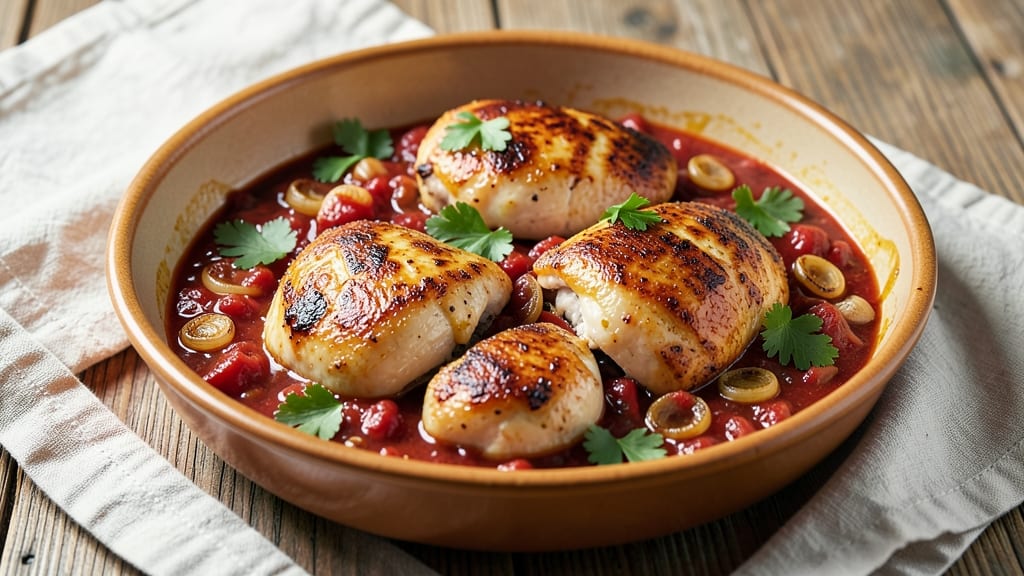
Betty Crocker's chicken cacciatore delivers the rich, slow-simmered flavors of Italian country cooking right to your dinner table. This classic dish transforms simple ingredients into a deeply aromatic tomato and white wine sauce that tenderizes chicken while embracing herbs and vegetables.
Growing up in Georgia, I learned how slow cooking transforms tough cuts into melt-in-your-mouth perfection—this recipe does exactly that with chicken thighs and breasts.
The beauty of this dish lies in its layered preparation: browning the chicken with garlic, rosemary, and onion creates a flavorful foundation, while the tomato-wine sauce simmers for hours to develop complexity.
Unlike quick weeknight meals, this recipe rewards patience with a sauce that clings to every bite, offering both hearty satisfaction and elegant restaurant quality. The combination of bell peppers, mushrooms, and celery adds texture and depth, making it a complete meal in one pot.
By the time you serve this dish, you'll have juicy chicken swimming in a velvety sauce with just the right balance of acidity and sweetness from the tomatoes and wine.
The aroma alone will gather everyone around the table, while the tender chicken and rich sauce make it a standout for family dinners or special occasions. Pair it with crusty bread or polenta to soak up every last drop of that flavorful sauce.
What makes this recipe truly versatile is its adaptability—swap red wine for white, adjust vegetables to your preference, or even use chicken breasts instead of thighs. The slow-cooking method ensures foolproof results, making it perfect for both beginners and experienced cooks.
Let's get started on creating this timeless Italian classic in your own kitchen.
Ingredients for betty crocker chicken cacciatore
Pantry staples plus a few fresh ingredients. This classic Italian dish comes together with simple, quality ingredients.
| Ingredient | Amount | Notes |
|---|---|---|
| Chicken Thighs 🍗 | 1 ½ lb | Bone-in, skin-on preferred |
| Chicken Breasts 🍗 | 1 ½ lb | Boneless, skinless, pounded thin |
| Canned Crushed Tomatoes 🍅 | 14 ½ oz | San Marzano preferred |
| White Wine 🍷 | 1 cup | Dry, medium-bodied |
| Onion 🧅 | 1 whole | Yellow or red, diced |
| Garlic Cloves 🧄 | 4 cloves | Fresh, minced |
| Red Bell Pepper 🌶️ | 1 whole | Medium, sliced |
| Celery Stalks 🥬 | 2 whole | Trimmed, chopped |
| Mushrooms 🍄 | 8 oz | Cremini or white, sliced |
| Fresh Rosemary 🌿 | ½ oz | Or 1 tbsp dried |
| Fresh Thyme 🌿 | ⅓ oz | Or 1 tsp dried |
| Olive Oil 🫒 | ⅓ cup | Extra-virgin preferred |
| Chicken Broth 💧 | 1 cup | Low-sodium preferred |
| All-Purpose Flour 🌾 | 1 tbsp | For thickening sauce |
| Salt 🧂 | 1 ½ tsp | Kosher or sea salt |
The tomatoes and wine are non-negotiable for that authentic flavor. San Marzano canned tomatoes have the best balance of sweetness and acidity—Trader Joe's or Whole Foods carry them. If you're using white wine, go for something dry like a Pinot Grigio or Sauvignon Blanc (the good stuff, not the cooking wine). For the chicken, thighs stay juicier than breasts during the long simmer, but breasts work too if you're in a hurry. The mushrooms? Cremini or white hold up best to the cooking time—avoid those flimsy button mushrooms.
No white wine? Chicken broth with a splash of lemon juice works in a pinch, though it won't taste exactly the same. Fresh herbs are ideal, but dried thyme at one-third the amount gets you close. Out of rosemary? Fresh oregano or marjoram are good swaps. The bell pepper can be any color—red, yellow, or green—but red has the most natural sweetness. If you're using pre-sliced mushrooms, pat them dry first so they don't make the sauce soggy. The flour is just for thickening at the end—don't skip it if your sauce needs help.
This sauce gets better the next day. Store leftovers in the fridge for up to 5 days or freeze for 3 months. I always make a double batch because it's perfect for lunches or quick dinners. The chicken reheats beautifully—just warm it through with a splash of broth or water. If you're prepping ahead, brown the chicken and veggies first, then refrigerate them in the sauce. Finish cooking when you're ready to serve.
Why You'll Love This Recipe
- I’ll be real: this recipe is exactly what you need when you’re hosting but don’t want to spend hours in the kitchen. The 1.5 lb chicken thighs and breasts feed four easily, and if you’re like me, you’ll have leftovers for lunch the next day. Or freeze half—it reheats like a dream, and the flavors only get better.
- One-Pot Magic: Honestly, this is the kind of dish where you toss everything into one Dutch oven and forget about cleanup. No extra pans, no frantic scrubbing—just golden chicken, caramelized onions, and mushrooms that soak up the sauce like a dream. That 0.33 cup olive oil handles all the searing and sautéing, leaving you to stir occasionally while the flavors do their thing.
- Wine-Infused Comfort: Between the 1 cup white wine and the 0.5 oz fresh rosemary, this isn’t your basic tomato sauce. The wine reduces into something syrupy and bright, cutting through the richness of the chicken thighs and breasts. My daughter picks out the mushrooms, but she still begs for seconds because of that little kick of garlic and thyme—it’s the kind of dish that makes you feel fancy without any fuss.
- Feeds a Crowd (or Your Weeknight): I’ll be real: this recipe is exactly what you need when you’re hosting but don’t want to spend hours in the kitchen. The 1.5 lb chicken thighs and breasts feed four easily, and if you’re like me, you’ll have leftovers for lunch the next day. Or freeze half—it reheats like a dream, and the flavors only get better.
Step-by-step instructions for betty Crocker chicken cacciatore
Here's how to transform simple ingredients into a rich, aromatic tomato-wine stew with tender chicken.
Prepare the Chicken and Sear for Depth of Flavor
Pat the 1.5 lb chicken thighs and 1.5 lb chicken breasts dry with paper towels—this ensures crispy skin and better browning. Season both sides generously with 1.5 tsp salt and set aside. Heat 0.33 cup olive oil in a large Dutch oven over medium-high heat. Once shimmering, add the chicken thighs skin-side down and cook for 5-6 minutes until golden brown. Flip and cook another 3-4 minutes before transferring to a plate.
Repeat with the chicken breasts, but pound them to ¼-inch thickness first for even cooking. Searing creates a flavorful crust that infuses the sauce later. If the oil isn't hot enough, the chicken will steam instead of brown. Watch for that golden color—it's your cue to flip.
Build the Aromatic Base with Vegetables and Herbs
In the same Dutch oven, add 0.33 cup olive oil if needed and reduce heat to medium. Add the diced 1 whole onion, sliced 1 whole red bell pepper, chopped 2 whole celery stalks, and sliced 8 oz mushrooms. Cook for 8-10 minutes, stirring occasionally, until the vegetables soften and release their juices. This step develops the foundation of your sauce—don't rush it.
Add the 4 minced garlic cloves, 0.5 oz fresh rosemary (finely chopped), and 0.33 oz fresh thyme (leaves only). Stir for 1 minute until fragrant—this releases their essential oils, which will permeate the dish. The rosemary should smell piney, and the thyme should be bright and herbal. If the vegetables stick, add a splash of 1 cup white wine to deglaze and lift them from the bottom.
Deglaze and Simmer with Tomatoes and Wine
Pour in the 1 cup white wine, scraping up any browned bits from the bottom of the pot with a wooden spoon. Let it simmer for 3-4 minutes until reduced by half. Add the 14.5 oz canned crushed tomatoes and 1 cup chicken broth, stirring to combine. Sprinkle in the 1 tbsp all-purpose flour and mix well to thicken the sauce slightly—this helps it cling to the chicken later.
Bring the mixture to a gentle boil, then reduce heat to low and cover partially. Let it simmer for 30-40 minutes, stirring occasionally, until the sauce thickens and the flavors meld. The chicken should be tender enough to pull apart with a fork. If the sauce reduces too quickly, add a splash of 1 cup chicken broth to maintain consistency.
Finish and Rest for Maximum Flavor
Return the chicken to the Dutch oven, spooning the sauce over the top. Cover and simmer for another 10-15 minutes to let the chicken absorb the flavors. Taste and adjust seasoning with additional 1.5 tsp salt if needed—the tomatoes and wine can sometimes dilute the saltiness.
Remove from heat and let the cacciatore rest for 10 minutes before serving. This allows the juices to redistribute, ensuring every bite is moist and flavorful. Serve over crusty bread or with polenta to soak up the rich sauce. The dish tastes even better the next day as the flavors deepen!
Pro Tips For Making Betty Crocker Chicken Cacciatore
- Don’t Crowd the Pan: I learned this the hard way—when you toss all the chicken in at once, the temperature plummets, and you end up with steamed instead of seared chicken. Work in batches: thighs first, then breasts after they’re golden. The extra minute or two waiting pays off with that crispy, flavor-packed crust that makes the sauce sing.
- Dice That Onion Fine: Skip the big chunks—you want this onion to melt into the sauce, not sit as recognizable bits. A medium dice (about 1/4-inch) ensures it softens completely in the 8-10 minutes of cooking, blending seamlessly with the tomatoes and wine. (Yes, even if you’re impatient like me.)
- Deglaze Aggressively: That browned chicken crust is where the flavor hides, so don’t be shy with the 1 cup white wine. Scrape every last bit from the bottom with a wooden spoon—even the stuck-on bits—while it simmers. I used to rush this, and the sauce always tasted flat until I started treating it like a deep-cleaning session.
- Pound Breasts to ¼-Inch: Thin chicken breasts cook faster than thighs, so if you skip pounding them to ¼-inch thickness, you’ll end up with dry, rubbery meat. Use a rolling pin or heavy pan—just don’t go too crazy, or they’ll turn to mush. Trust me, this small effort makes the difference between a good cacciatore and a great one.
Troubleshooting perfect results
Sauce Too Thin?
If your sauce ends up watery, it’s likely because you didn’t use enough flour or the tomatoes released too much liquid. I’ve found that adding ½ tsp cornstarch mixed with 1 tbsp cold water works wonders as a last-resort thickener.
Stir it in during the final 5 minutes of simmering and let it cook until the sauce coats the back of a spoon. Avoid boiling vigorously, or it’ll break the sauce. 💡
Chicken Overcooked?
Chicken thighs can dry out if simmered beyond 45 minutes total. If this happens, I recommend deglazing the pan with ¼ cup chicken broth and spooning it over the chicken to keep it moist.
Cover tightly and let it rest for 10 minutes before serving—this redistributes juices. For next time, reduce simmering time to 30 minutes for breasts.
Vegetables Too Soft?
Mushrooms and bell peppers can turn mushy if cooked for more than 10 minutes in the initial sauté. I’ve learned to remove them 5 minutes early and set aside before adding tomatoes and wine.
This keeps their texture intact while still infusing flavor. Just toss them back in at the end to reheat. 🍄
Flavor Too Mild?
If the dish lacks depth, it’s often because the deglazing step didn’t lift enough browned bits. After adding wine, use a wooden spoon to scrape the bottom of the pot aggressively for 30 seconds.
This releases the Maillard reaction flavors that make the difference. A pinch of ½ tsp red pepper flakes or 1 tsp balsamic vinegar at the end adds instant complexity.
Wine Taste Lingers?
If the wine flavor dominates, it’s usually because the tomatoes weren’t added early enough. Always introduce them 10 minutes after deglazing to balance the acidity. For extra insurance, add ½ tsp sugar or 1 tsp honey to mellow the wine’s sharpness. Taste as you go—this dish is all about balance!
Nutrition facts
Frequently asked questions
Can I use red wine instead of white wine in this recipe?
Yes! While the recipe calls for white wine, red wine works too—just use a lighter variety like Pinot Noir to avoid overpowering the dish. The acidity in both wines balances the tomatoes, but red wine adds a deeper, fruitier note. If you prefer, you can also substitute 1 cup chicken broth with 1 tablespoon lemon juice for a similar tangy effect. The key is to maintain that bright acidity in the sauce!
Why do I need to pound the chicken breasts?
Pounding the 1.5 lb chicken breasts to ¼-inch thickness ensures even cooking throughout. Thicker breasts take longer to cook and often end up dry or rubbery in a slow-simmered dish. This technique guarantees tender, juicy meat that absorbs all the flavorful sauce. For extra crispiness, skip pounding and cook them separately at medium-high heat for 4-5 minutes per side before adding to the pot.
How do I prevent the mushrooms from turning mushy?
Mushrooms soften quickly, so remove them 5 minutes early from the initial sauté and set them aside. Return them to the pot only during the final 10 minutes of simmering to reheat. This keeps their texture intact while still letting them infuse flavor into the sauce. If using pre-sliced mushrooms, pat them dry first to avoid a watery sauce.
Can I make this dish ahead of time?
This cacciatore tastes even better the next day as the flavors deepen. Store leftovers in the fridge for up to 5 days or freeze for 3 months. For best results, reheat gently on the stove with a splash of chicken broth or water to restore moisture. If prepping ahead, brown the chicken and veggies first, then refrigerate them in the sauce—finish cooking when ready to serve.