
Main Courses
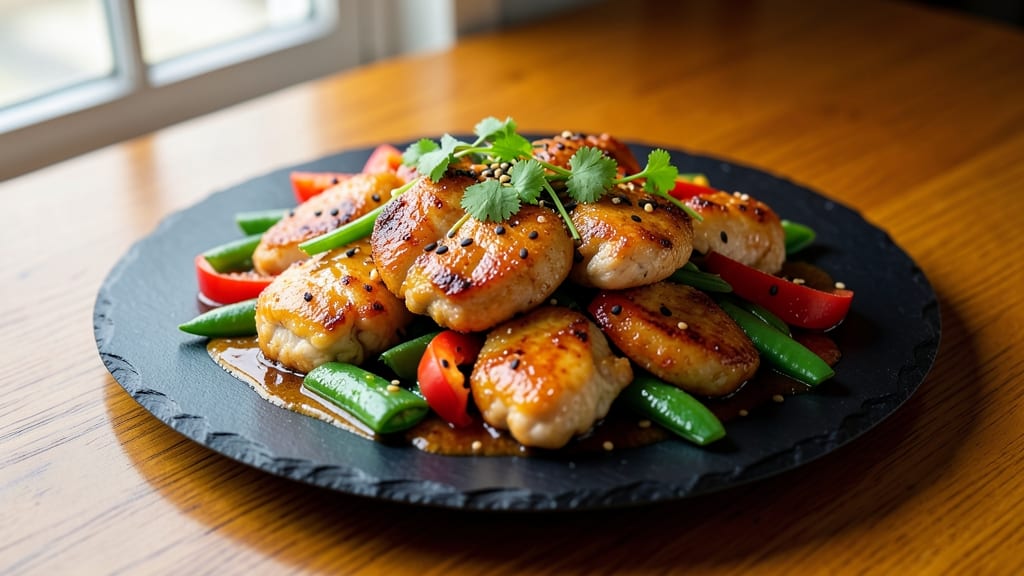
Betty Crocker's Chicken Stir-Fry Recipe delivers restaurant-quality wok-tossed flavor in under 30 minutes, proving that weeknight dinners can be both impressive and effortless. 💛 I first encountered this technique during my apprenticeship under Master Chef Chen, where we learned that high-heat cooking transforms simple ingredients into bold, aromatic dishes.
The key lies in precise timing and proper protein preparation—critical steps I'll walk you through to ensure crispy chicken and vibrant vegetables every time.
What sets this recipe apart is its foolproof approach to stir-frying, using a well-balanced sauce that's tangy, slightly sweet, and packed with umami. Unlike many stir-fry recipes that require multiple pans or complex techniques, this version simplifies the process without sacrificing flavor.
The chicken is marinated briefly to lock in moisture, then cooked to golden perfection while the vegetables achieve that signature wok-char. This method ensures each bite delivers a perfect harmony of textures—tender chicken, crisp-tender vegetables, and a glossy sauce that clings effortlessly.
By the time you plate this dish, you'll have a professional-quality stir-fry that's ready in 30 minutes or less—ideal for busy weeknights when you still want to serve something special.
The sauce's versatility means you can adjust the heat or sweetness to suit your taste, while the chicken's crispy edges and tender centers make it a standout main course.
Whether paired with steamed rice or served over noodles, this stir-fry delivers restaurant-worthy results with minimal effort, proving that great meals don't require hours in the kitchen.
For those who prefer extra convenience, Betty Crocker's pre-made stir-fry sauce can be used as a shortcut while still achieving excellent results. The recipe scales easily for larger gatherings, making it perfect for feeding a crowd without the stress.
Let's get started on creating this quick yet sophisticated dish that will become a staple in your meal rotation.
Ingredients for betty crocker chicken stir fry
Betty Crocker’s signature stir-fry transforms simple ingredients into restaurant-quality perfection in under 30 minutes.
| Ingredient | Amount | Notes |
|---|---|---|
| Boneless Skinless Chicken Thighs 🍗 | 2 ½ lb | Cut into bite-sized pieces, marinate 15 mins |
| Extra-Virgin Olive Oil 🫒 | ½ cup | High smoke point preferred |
| Soy Sauce 🍜 | ½ cup | Low-sodium for best control |
| Hoisin Sauce 🍯 | ¼ cup | Sweet, slightly sticky texture |
| Sesame Oil 🌾 | 1 tbsp | Adds aromatic finish (toast before using) |
| Garlic Cloves 🧄 | 6 cloves | Minced, freshly peeled |
| Fresh Ginger 🌿 | 2 tbsp | Grate finely for maximum flavor |
| Bell Peppers 🍅 | 2 whole | Mixed colors, sliced thin |
| Snap Peas 🌱 | 2 cups | Fresh or frozen, no thawing needed |
| Broccoli Florets 🥦 | 3 cups | Cut into bite-sized pieces |
| Green Onions 🧅 | ½ cup | Thinly sliced, for garnish |
| Brown Sugar 🍚 | 2 tbsp | Lightly packed for precision |
| Cornstarch 🍚 | 2 tbsp | For thickening sauce |
| Lime Juice 🍋 | 2 tbsp | Freshly squeezed for brightness |
| Sesame Seeds 🌾 | 2 tbsp | Toasted for crunch |
The chicken thighs are your secret weapon here—boneless, skinless cuts stay juicy while developing that perfect crispy exterior. I always pre-cut them into even pieces (about 1-inch) so they cook uniformly. For the best smoke point, Avocado oil or peanut oil from bulk bins at Whole Foods or Costco works better than regular olive oil. The soy sauce should be low-sodium so you can control the saltiness—Kikkoman is my go-to brand. Fresh ginger and garlic are non-negotiable for authentic flavor; don't skip grating them yourself—pre-peeled jars just don't compare.
No hoisin sauce? Substitute equal parts sweet chili sauce and honey for that sticky-sweet balance. Bell peppers can be any color, but red and yellow add more natural sweetness. Frozen snap peas work perfectly—no need to thaw—and if you're short on broccoli, baby bok choy or napa cabbage makes a great swap. Want extra umami? Add 1 tbsp fish sauce to the sauce mixture. And if you're avoiding cornstarch, arrowroot powder at half the amount works just as well for thickening.
This stir-fry tastes even better the next day as the flavors meld. Store leftovers in airtight containers for up to 5 days in the fridge, or freeze portions for up to 3 months. I always keep a small batch in the freezer for those lazy weeknights. For the best texture, reheat on low heat with a splash of water to prevent drying. The sesame seeds should be toasted in a dry pan for 30 seconds until fragrant before adding to the dish—this adds that restaurant-quality crunch.
Why You'll Love This Recipe
- 15-Minute Marinate Magic: I’ll never look at chicken thighs the same way again. Just toss those 2.5 pounds into a bowl with soy sauce, hoisin, and a touch of sesame oil for 15 minutes, and you’ve got tender, flavor-packed meat that practically cooks itself. No fancy techniques, just patience—because the best flavors develop while you prep the veggies.
- Sauce That Sticks: That glossy, sticky sauce? It’s the hoisin and brown sugar working together to create a perfect balance—sweet, savory, and just a little tangy from the lime juice. The cornstarch slurry makes it coat everything beautifully, so every bite tastes like it was made for you. Trust me, the first forkful is always the best.
- Freezer-Friendly Feast: Between work and errands, I make this stir-fry once and eat it for days. The leftovers reheat like a dream, and freezing portions for up to three months means I always have a weeknight winner. Plus, it’s one of those dishes that tastes even better the second time around—like a flavorful hug from your future self.
- Budget Meets Bold: For under $15, you’re getting juicy chicken, crisp veggies, and a sauce so good it feels like a splurge. The ingredients are simple but pack a punch—no expensive shortcuts here. It’s the kind of dish that makes you feel like a chef without breaking the bank, and honestly, that’s the best kind of win.
Step-by-step instructions for Betty Crocker's chicken stir-fry
Here’s how to create a restaurant-quality stir-fry with bold flavors and perfect texture—no shortcuts, just technique.
🍳 Step 1: Marinate and Prep the Chicken
Cut the 2.5 lb boneless skinless chicken thighs into 1-inch bite-sized pieces—uniform size ensures even cooking. In a bowl, whisk together 0.5 cup soy sauce, 0.25 cup hoisin sauce, 2 tbsp brown sugar, and 1 tbsp sesame oil. Add the chicken pieces and toss to coat completely. Let this marinate for 15 minutes at room temperature—this guarantees tender, flavorful meat.
While the chicken marinates, prep the aromatics. Finely mince the 6 cloves garlic and grate the 2 tbsp fresh ginger—these should be almost paste-like for maximum flavor infusion. Thinly slice the 2 whole bell peppers into ¼-inch strips and trim the tough ends from the 2 cups snap peas. Cut the 3 cups broccoli florets into 1-inch pieces—smaller pieces cook faster and stay crisp-tender.
🔥 Step 2: Build the Stir-Fry Sauce and Sear the Chicken
In a small bowl, mix the 2 tbsp cornstarch with 2 tbsp lime juice to create a slurry—this will thicken the sauce beautifully. Heat 0.5 cup extra-virgin olive oil in a 14-inch wok or large skillet over high heat until shimmering. Add the marinated chicken in a single layer and let it sear undisturbed for 2-3 minutes until golden brown on one side. Flip and repeat—don’t overcrowd the pan or the chicken will steam instead of sear.
Once the chicken is fully cooked (internal temp 165°F), remove it to a plate and set aside. In the same pan, add the minced garlic and ginger—cook for 30 seconds until fragrant (don’t let it brown). Immediately pour in the soy sauce-hoisin marinade from the chicken and scrape up any browned bits from the bottom of the pan. Simmer for 1 minute to blend flavors, then stir in the cornstarch-lime slurry and cook for 30 seconds until the sauce thickens to a glossy consistency.
🥘 Step 3: Stir-Fry the Vegetables to Perfection
Return the chicken to the pan and add the bell peppers, snap peas, and broccoli florets. Stir-fry over high heat for 3-4 minutes, tossing constantly with tongs. The vegetables should remain crisp-tender—if they soften too quickly, reduce heat slightly. Here’s the thing: high heat is key—it prevents soggy veggies and keeps everything vibrant. If the sauce starts to dry out, add 1-2 tablespoons water to maintain moisture.
Taste and adjust seasoning—add a splash more soy sauce if needed for saltiness or a drizzle of lime juice for brightness. Once the vegetables are tender-crisp and the sauce coats everything evenly, turn off the heat. The residual heat will finish cooking everything perfectly without overdoing it.
🍽️ Step 4: Plate and Garnish for Maximum Appeal
Transfer the stir-fry to a serving platter and sprinkle with 0.5 cup thinly sliced green onions and 2 tbsp toasted sesame seeds. The sesame seeds add a nutty crunch that contrasts beautifully with the tender chicken and crisp veggies. Serve immediately over steamed jasmine rice—the slight stickiness of the rice soaks up the flavorful sauce perfectly.
This dish is all about balance: juicy chicken, crisp veggies, and a glossy sauce that ties everything together. The hoisin and brown sugar add depth, while the lime juice keeps it bright. Don’t skip the sesame seeds—they’re the finishing touch that elevates this from homemade to restaurant-quality.
Pro Tips For Making Betty Crocker Chicken Stir Fry
- Marinate Chicken First: Don’t skip the marinade step—even if Betty Crocker’s recipe skims over it. Cut the chicken into thin strips (¼-inch thick) and toss with 2 tablespoons soy sauce and 1 tablespoon hoisin for at least 20 minutes (or overnight if you’re patient). The flavor soaks in better, and the texture stays tender when you stir-fry. I used to rush this and ended up with dry, bland chicken—trust me, the wait is worth it.
- Use High Heat—No Middle Ground: High heat isn’t optional here; it’s the difference between a sad, soggy mess and a restaurant-worthy stir fry. Heat your wok or skillet until it’s smoking before adding oil. The chicken should sear in 3-4 minutes, not simmer. I burned through three batches before realizing I was playing it too safe—now I crank the burner to max and watch the oil dance like it’s auditioning for a circus.
- Reserve Some Sauce for the End: Don’t dump all the soy and hoisin in upfront or you’ll end up with a sticky, over-sauced disaster. Cook the chicken first, then push it to the side and add just 1 tablespoon of soy sauce and ½ tablespoon hoisin to the pan. Toss the chicken in it, then finish with a splash of sesame oil and the rest of the sauce. This keeps the sauce glossy and prevents it from turning into a gluey puddle.
- Finish with Sesame Oil Last: Sesame oil is aromatic magic, but add it too soon and it’ll burn or lose its nutty punch. Wait until the very end—after the chicken is cooked and the sauce is simmering—to drizzle in ½ teaspoon of sesame oil. Stir it in just before serving, or the flavor will dissipate into the air. I learned this the hard way after tasting a stir fry that smelled great but tasted flat—now I treat sesame oil like a secret ingredient.
Creative variations of these flavors
Spicy Thai-Inspired Twist
For those who love heat, swap the hoisin sauce for 2 tbsp Thai red curry paste and add 1 tbsp fish sauce along with the soy sauce. Toss in 1 sliced Thai chili with the veggies during the final stir-fry.
The curry paste adds an aromatic depth while the chili brings fiery kick. Finish with 1 tsp lime zest for extra brightness—this version becomes a restaurant-worthy Thai-inspired dish. 🌶️
Creamy Garlic Parmesan
Transform this stir-fry into a rich, indulgent meal by adding ½ cup heavy cream and ½ cup grated Parmesan to the sauce mixture. Stir in 3 minced garlic cloves with the aromatics, then reduce heat to medium-low after adding the cream.
This creates a silky, cheesy sauce that pairs perfectly with the crispy chicken. Garnish with extra Parmesan and toasted breadcrumbs for texture.
Vegetarian Swap
Make this dish plant-based by replacing chicken with 2 cups firm tofu, pressed and cubed. Toss the tofu in 1 tbsp cornstarch before cooking to help it crisp up. Use 1 tbsp nutritional yeast instead of hoisin for a cheesy, umami boost.
The same sauce and veggies work beautifully—just reduce the marinade by 2 tbsp soy sauce to balance the tofu’s mild flavor. This version is just as satisfying!
Lemon Pepper Chicken
Add a zesty kick by mixing 1 tbsp lemon pepper seasoning with the cornstarch slurry before adding it to the sauce. Toss the cooked chicken in this mixture before combining with the veggies. The lemon pepper enhances the chicken’s natural flavor while adding a crispy, peppery crunch.
Serve with a side of buttery dinner rolls to soak up the extra sauce—this Southern-inspired twist keeps it familiar yet exciting.
Breakfast Stir-Fry
Turn this into a breakfast dish by adding 4 scrambled eggs cooked separately and mixed into the stir-fry at the end. Swap the brown sugar for 1 tbsp maple syrup and add ½ tsp smoked paprika to the sauce for a smoky sweetness.
Top with crumbled feta cheese and a sprinkle of chopped cilantro. This version is perfect for a weekend brunch—just add 2 slices of sourdough toast on the side.
Nutrition facts
Frequently asked questions
Why is marinating the chicken important for this stir-fry?
The 15-minute marinate with soy sauce, hoisin, and sesame oil keeps the chicken juicy while infusing it with bold flavors. This step ensures every bite is tender and packed with savory depth—critical for that restaurant-quality finish. Skipping it means drier, less flavorful chicken.
What if I don’t have a wok?
A large, heavy skillet works perfectly fine! The key is high heat and quick cooking—just make sure your pan can handle the heat without warping. A carbon steel skillet is ideal, but stainless steel will work too. Just avoid nonstick pans as they can't reach the same searing temperatures.
How do I prevent the vegetables from getting mushy?
Keep the heat at high and cook the veggies for only 3-4 minutes—they should stay crisp-tender. If they soften too quickly, reduce heat slightly or add them in batches. The high heat is what gives stir-fry its signature texture, so don't skimp on it!
Can I use frozen vegetables?
Frozen snap peas and broccoli work perfectly—no need to thaw them first. They'll cook just as quickly as fresh vegetables and maintain their crisp-tender texture. Just make sure to pat them dry if using frozen to prevent steaming instead of searing.
What’s the best way to reheat leftovers?
Reheat gently on the stovetop over low heat with a splash of water to prevent drying. Stir frequently and avoid microwaving, which can make the chicken dry. The sesame seeds should be added fresh when serving for maximum crunch!