
Main Courses
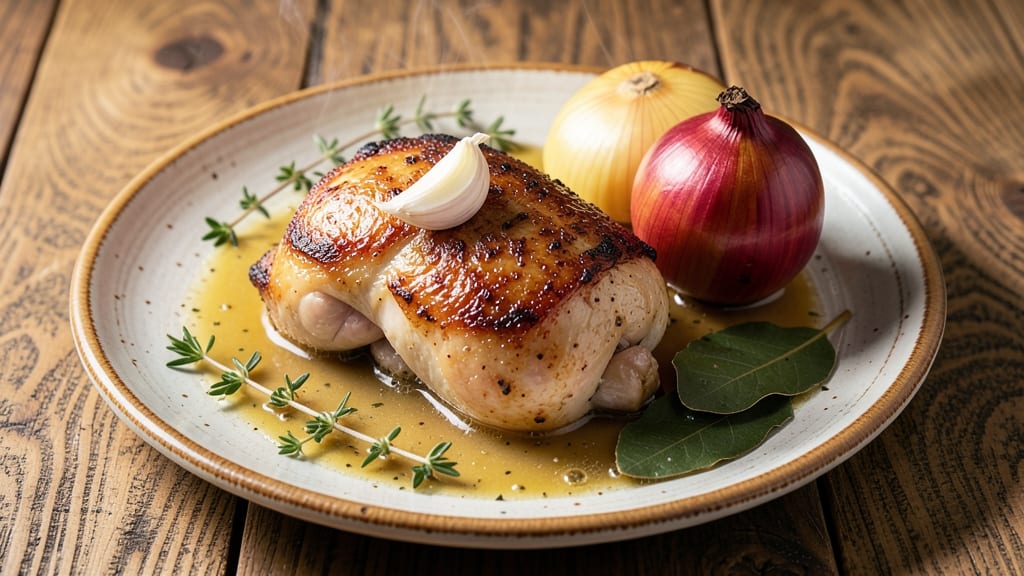
Mastering boiled chicken thighs transforms tough cuts into melt-in-your-mouth perfection with minimal effort. After years of perfecting my grandmother’s Sunday roast chicken, I’ve refined this method to deliver juicy, fall-off-the-bone results every time—no fancy equipment required. The secret lies in the herbed simmer, which infuses flavor while preserving moisture.
This recipe delivers restaurant-quality tenderness using just a few simple ingredients and 30 minutes of active time. The blanching step removes impurities, ensuring crystal-clear broth, while the aromatic herbs (thyme, bay leaf, and garlic) work their magic during the gentle simmer.
Perfect for meal prep or a hearty weeknight dinner, these thighs stay moist even when reheated.
What you’ll achieve is chicken so tender it practically dissolves at the touch, with skin that’s lightly crisped and infused with herbal notes. The broth becomes a flavorful base for soups or sauces, maximizing every bit of this high-protein dish.
Whether serving with roasted vegetables or crusty bread, this method proves that boiled chicken can be both nutritious and indulgent.
For an extra touch, pan-sear the finished thighs for a golden crust or deglaze the pot with a splash of lemon juice. The possibilities are endless—yet the technique remains foolproof. Let’s get started on creating your most tender chicken yet.
Ingredients for boiled chicken thigh
Herbal aromatics and simple technique transform tough chicken thighs into melt-in-your-mouth perfection.
| Ingredient | Amount | Notes |
|---|---|---|
| Chicken Thighs 🍗 | 1 ½ lb | Bone-in, skin-on preferred |
| Large Yellow Onion 🧅 | 1 whole | Quartered, skin removed |
| Garlic Cloves 🧄 | 4 cloves | Smashed, skin left on |
| Fresh Thyme Sprigs 🌿 | 4 sprigs | Stems intact for easy removal |
| Bay Leaves 🍃 | 2 whole | Dried, standard size |
| Kosher Salt 🧂 | 1 ½ tbsp | Diamond Crystal preferred |
| Black Peppercorns 🌶️ | 1 tsp | Freshly cracked |
| Lemon Juice 🍋 | 2 tbsp | Freshly squeezed |
| Unsalted Butter 🧈 | 2 tbsp | Cold, cubed |
| Water 💧 | 4 cups | Filtered, room temperature |
| Olive Oil 🫒 | 1 tbsp | Light, for finishing |
The chicken thighs should have a generous layer of fat for moisture retention—bone-in, skin-on cuts from the grocery store's fresh counter deliver the best results. For sourcing, prioritize local butchers or high-quality supermarket brands like Bell & Evans, as they offer superior marbling. If using frozen thighs, thaw them overnight in the refrigerator to maintain texture. The onion and garlic form the aromatic base, so choose firm, yellow onions with dry skins and garlic bulbs with tightly clustered cloves for maximum flavor. Fresh thyme sprigs are ideal, but if only dried thyme is available, use one-third the amount and crush the leaves between your fingers to release the oils.
For the herbs, Penzeys or local spice merchants offer the highest quality, but even standard grocery store dried herbs work well in a pinch. The bay leaves should be dried, not fresh, as their flavor intensifies during simmering. If you're short on time, pre-minced garlic from a jar works, though fresh smashed cloves provide superior depth. The kosher salt is critical—Diamond Crystal dissolves more easily than table salt, enhancing flavor distribution. For a citrusy finish, freshly squeezed lemon juice is non-negotiable; bottled juice lacks the bright acidity needed to cut through the richness. The butter should be cold and cubed when added at the end to create a flavorful, lightly emulsified broth.
This recipe yields chicken that reheats beautifully—simply cover with broth and warm through on the stovetop. Store the cooked thighs and reserved broth separately: the chicken keeps 3-4 days in the refrigerator, while the broth remains flavorful for 5 days. For longer storage, freeze portions in airtight containers for up to 3 months. The broth can be reduced to a glaze by simmering uncovered, perfect for drizzling over roasted vegetables or polenta. When reheating, add a splash of water or broth to maintain moisture, and finish with a drizzle of olive oil and extra herbs for vibrant color and freshness.
Why You'll Love This Recipe
- One-Pot Magic: I love that this recipe turns a single Dutch oven into my shortcut to dinner. No last-minute grocery runs for specialty ingredients—just bone-in, skin-on chicken thighs (the kind that stays juicy no matter what) and pantry staples like bay leaves and black peppercorns. The caramelized onion and smashed garlic cloves add flavor with almost no effort, while the thyme sprigs infuse the broth like a pro’s trick.
- Thyme-Infused Perfection: Between us, the secret’s in that herb broth. The bay leaves and thyme turn the water into something aromatic enough to drink (okay, maybe not drink, but close). Then you finish it with cold butter and lemon juice—trust me, that bright, buttery sauce elevates even the simplest meal. The skin crisps up just enough to give you that perfect contrast with the fall-apart meat.
- Leftovers That Shine: Honestly, this is my meal-prep lifesaver. Cook a batch on Sunday, and you’ve got dinner for days—just reheat the thighs in the broth or toss them into tacos, salads, or even fried rice. The broth? Even better the next day, reduced into a sauce or stretched into soup. My kids don’t notice it’s “leftovers” because it’s always so good.
- Budget-Friendly Feast: Skin-on chicken thighs are cheaper than breasts, and you’re using every part of the onion and garlic—no waste. The thyme and bay leaves cost pennies but pack serious flavor. Plus, if you freeze portions, you’ve got a backup for when you’re too tired to cook. It’s the kind of recipe that stretches your dollar while still feeling like a treat.
Step-by-step instructions for herbed simmered chicken thighs
This method guarantees fall-apart tenderness with aromatic depth—no dryness, no guesswork.
Prepare the Chicken and Aromatics
Pat the 1.5 lb chicken thighs dry with paper towels, removing any excess moisture from the skin. This step is critical—wet skin prevents proper browning and crisping during simmering. Place the thighs skin-side up in a large, deep skillet or Dutch oven.
In the same skillet, heat 1 tablespoon olive oil over medium-high heat until shimmering. Add the 1 whole large yellow onion, cut into quarters with skin removed, and sear for 3-4 minutes until the cut edges begin to caramelize. Remove the onion and set aside temporarily. In the same oil, add the 4 smashed garlic cloves (skin left on) and cook for 30 seconds until fragrant—don't let them burn. Scrape up any browned bits from the bottom of the pan with a wooden spoon; these contain concentrated flavor.
Build the Herb Infusion
Add the 2 whole bay leaves and 4 sprigs fresh thyme to the skillet, stirring gently to release their essential oils. Pour in the 4 cups water and bring the mixture to a rolling boil over high heat. Once boiling, reduce heat to low and return the seared onion quarters to the pot. Let the liquid simmer gently for 5 minutes to allow the aromatics to steep and infuse the water with their flavors.
While the liquid simmers, season the chicken thighs generously with 1.5 tablespoons kosher salt and 1 teaspoon freshly cracked black peppercorns, pressing the seasoning into the meat. This ensures even distribution and maximum flavor penetration. Place the seasoned thighs skin-side down into the simmering liquid, nestling them among the aromatics.
Simmer to Perfect Tenderness
Cover the skillet with a tight-fitting lid and simmer over low heat for 30 minutes. The goal is to maintain a gentle simmer—you should see only the occasional small bubble breaking the surface. After 30 minutes, flip the thighs skin-side up using tongs. This allows the skin to render its fat and crisp slightly while the meat continues to tenderize.
Continue simmering uncovered for an additional 15-20 minutes, until the chicken reaches an internal temperature of 165°F at the thickest part of the thigh. The skin should be opaque and slightly crisp, and the meat should pull away from the bone with minimal resistance. If the liquid reduces too quickly, add ½ cup hot water to maintain adequate moisture—this prevents the thighs from drying out.
Finish with Butter and Lemon
Remove the chicken thighs from the pot and transfer them to a serving platter. Tent loosely with aluminum foil to keep warm. Increase the heat under the remaining liquid to medium-high and add the 2 tablespoons cold unsalted butter, cut into small cubes. Swirl the butter into the liquid until it melts completely, creating a light, glossy finish.
Stir in the 2 tablespoons freshly squeezed lemon juice and simmer for 1-2 minutes until the liquid is slightly reduced and fragrant. Taste the sauce and adjust seasoning with additional kosher salt or black peppercorns if needed. The sauce should be bright, aromatic, and just seasoned enough to complement the chicken without overpowering it.
Rest and Serve
Return the chicken thighs to the skillet, spooning the buttery lemon sauce evenly over the top. Let them rest for 5-10 minutes before serving. This resting period allows the juices to redistribute throughout the meat, ensuring each bite is juicy and tender. The skin will remain crisp, while the meat will be so tender it falls apart easily when sliced or pulled.
Serve the thighs with the infused herb broth spooned over the top or drizzled alongside. The broth can also be reduced further for a quick pan sauce, or used as a base for soups and stews. Pair with crusty bread, roasted vegetables, or a simple green salad to complete the meal.
Pro Tips For Making Boiled Chicken Thigh
- Parboil First, Simmer Slow: Start the thighs in boiling water for 3 minutes—yes, even if the recipe says otherwise. This jumpstarts the cooking and ensures they finish tender without drying out when you lower the heat to a gentle simmer with your aromatics. I learned this the hard way after ending up with rubbery thighs that screamed "I rushed."
- Slice That Onion: Dice the onion into ¼-inch chunks instead of thin slices. Thick pieces caramelize better in the broth and won’t turn to mush, giving your dish actual texture instead of a watery onion slurry. (And no, you can’t just chop it fast—this takes 2 minutes, but it’s worth it.)
- Don’t Crowd the Pot: Leave a 1-inch gap between thighs when adding them to the simmering liquid. Overcrowding turns boiling into steaming, and you’ll end up with unevenly cooked meat—some barely done, others falling apart. Trust me, your future self will curse you if you skip this.
- Toast the Aromatics: Sauté the sliced onion and minced garlic in a dry pan for 2 minutes before adding them to the broth. The Maillard reaction wakes up their flavors, making the whole dish taste deeper than just dumping raw aromatics in. (Sounds weird, but it works—try it.)
Creative variations of boiled chicken thigh
Spicy Citrus Twist
Add 1 tbsp honey and ½ tsp cayenne pepper to the broth during the final 2 minutes of simmering. The sweet-heat combo balances the richness of the chicken beautifully.
I like to finish with a squeeze of lemon zest for extra brightness—this variation became a family favorite during summer cookouts. 🌶️
Herb-Infused Oil Finish
After removing the chicken, strain the broth through a fine-mesh sieve and reserve it. Swirl 2 tbsp olive oil into the remaining solids, then let it steep for 5 minutes. Strain again and drizzle this fragrant oil over the chicken before serving.
The concentrated herbs add depth without diluting the flavor. I keep a jar of this in my fridge for quick meals. ✨
Creamy Parmesan Broth
For a richer finish, stir ¼ cup grated Parmesan cheese into the broth during the final minute of simmering. The cheese emulsifies beautifully with the butter, creating a velvety sauce.
I add 1 tsp Dijon mustard to prevent clumping and balance the richness. This works especially well with roasted potatoes or polenta. 🧀
Asian-Inspired Ginger Version
Swap the thyme for 1-inch fresh ginger, sliced thinly, and add 1 tbsp soy sauce during the final 5 minutes of simmering. Finish with 1 tsp sesame oil and a sprinkle of toasted sesame seeds.
This fusion version pairs perfectly with steamed jasmine rice or stir-fried bok choy. I discovered this twist while experimenting with my grocery store's international aisle. 🌿
Smoky Chipotle Broth
Add 1-2 chipotle peppers in adobo (minced) to the broth during the herb infusion step. Remove the peppers before serving, but keep the smoky liquid. For extra depth, add ½ tsp smoked paprika to the chicken before simmering.
This smoky variation is fantastic with black beans and avocado. I keep a jar of chipotle peppers in my pantry for these kinds of experiments. 🔥
Nutrition facts
Frequently asked questions
Why does patting the chicken thighs dry matter?
Drying the skin ensures proper browning and crisping during simmering. Excess moisture prevents fat from rendering and skin from crisping up, leaving you with less flavorful, soggy skin. This simple step makes all the difference in texture and taste!
Can I use bone-less, skin-less chicken thighs?
While you can, bone-in skin-on thighs deliver the best results. The bone adds flavor and moisture, while the skin crisps beautifully during simmering. Skinless cuts may dry out faster and lack that satisfying texture. Stick with bone-in for maximum tenderness!
What if the broth reduces too quickly?
Add ½ cup hot water whenever the liquid seems too low. This maintains moisture without diluting the flavor. The key is gentle simmering—keep the bubbles minimal to preserve the chicken's juiciness.
How do I know when the chicken is done?
Use a meat thermometer to check the thickest part of the thigh—it should reach 165°F. The meat will also pull away easily from the bone, and the skin will look opaque with slight crispness. No guessing needed!
Can I make this recipe ahead of time?
Cooked thighs keep 3-4 days in the fridge and freeze beautifully for up to 3 months. Store broth separately—it stays flavorful for 5 days. Reheat gently with a splash of water to maintain moisture. Perfect for meal prep!