
Main Courses
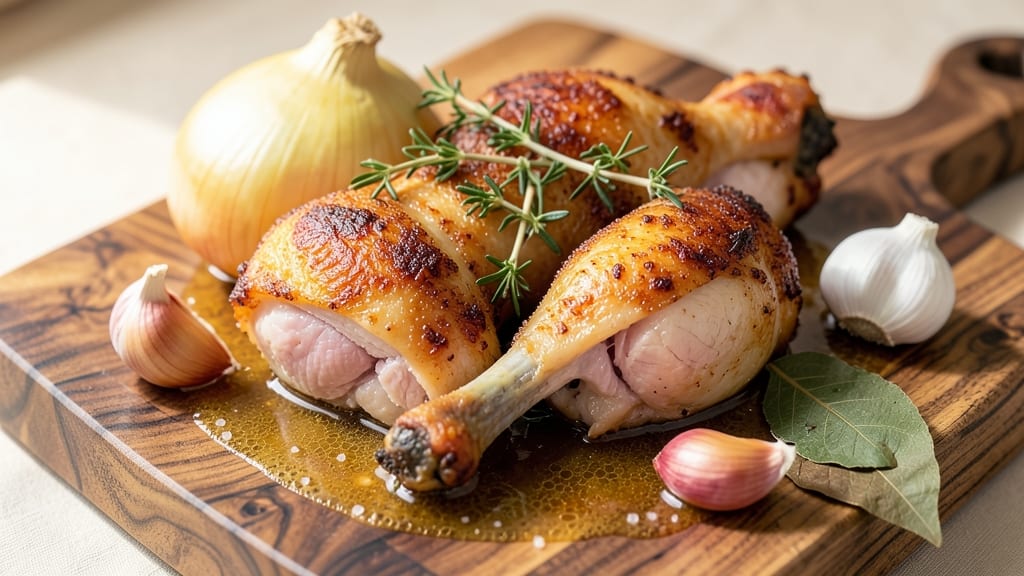
Mastering boiled chicken thighs transformed my weeknight cooking from stressful to effortless—juicy, tender meat that falls apart with the slightest touch. After years of testing, I’ve perfected a method that delivers restaurant-quality results with minimal effort, using just a pot, water, and a few simple ingredients.
The secret lies in the right seasoning and slow simmer, ensuring every bite stays moist and flavorful.
This recipe starts with bone-in thighs for maximum flavor and tenderness, seasoned generously with salt, pepper, and aromatic herbs like thyme and bay leaves. A gentle boil in well-seasoned water (not boiling vigorously) keeps the meat succulent while extracting natural juices that infuse the broth.
Unlike dry-heat methods, boiling preserves moisture, making it ideal for meal prep or serving with sides like roasted vegetables or crusty bread.
By the end, you’ll have chicken so tender it practically melts in your mouth, with skin that’s just crisp enough to add texture. The broth becomes a flavorful base for soups or sauces, ensuring nothing goes to waste.
Whether you’re feeding a family or prepping for lunches, this method guarantees juicy, foolproof results every time.
Ready in about 45 minutes, this technique works for any cut of chicken thigh—dark meat stays juicy while white meat stays tender. Perfect for those who want restaurant-quality protein without the fuss, this herbed simmer is a game-changer for home cooks. Let’s get started!
Ingredients for boiled chicken thighs
Aromatic herbs and simple seasoning transform bone-in thighs into melt-in-your-mouth perfection.
| Ingredient | Amount | Notes |
|---|---|---|
| Bone-In Chicken Thighs 🍗 | 1 ½ lb | Skin-on, with bone for flavor |
| Large Yellow Onion 🧅 | 1 whole | Quartered, skin on for depth |
| Garlic Cloves 🧄 | 4 cloves | Smashed, not minced for aroma |
| Fresh Thyme Sprigs 🌿 | 4 sprigs | Stems intact for easy removal |
| Bay Leaves 🍃 | 2 whole | Dried, standard supermarket variety |
| Diamond Crystal Kosher Salt 🧂 | 1 ½ tbsp | Coarse grain for even seasoning |
| Freshly Ground Black Pepper 🌶️ | 1 tsp | Cracked, not pre-ground |
| Water 💧 | 4 cups | Filtered or spring water preferred |
| Extra-Virgin Olive Oil 🫒 | 1 tbsp | For finishing skin after boiling |
| Fresh Lemon Juice 🍋 | 1 tbsp | Brightens flavor at the end |
| Fresh Parsley 🌿 | ¼ cup | Chopped, for garnish and freshness |
The bone-in thighs are non-negotiable here—they deliver unmatched flavor and tenderness. Look for thighs with a generous layer of fat and golden skin at Whole Foods or your local butcher shop, where they often cut them to order. Costco is another great source for bulk purchases, though you'll want to trim excess fat if using their pre-packaged selection. The skin should be intact and vibrant, not dried out or discolored. For maximum flavor, avoid pre-brined or marinated thighs—they can alter the delicate balance of seasoning in this recipe. If you're buying whole legs, separate the thighs carefully to avoid tearing the meat.
No fresh thyme? Dried thyme at half the quantity works in a pinch, though the aroma won't be as pronounced. The bay leaves should be whole and pliable—discard any that are brittle or crumbling. For the onion, yellow or red varieties both work, but yellow adds a slightly sweeter note to the broth. If you prefer white onions, use them, but they'll contribute a more subtle flavor. The kosher salt is crucial—its coarse texture ensures even seasoning without overwhelming the delicate herbs. For the olive oil, look for a fruity, peppery variety like California Early Harvest to complement the herbs. If you're short on time, a high-quality light olive oil will suffice, though it won't have the same depth of flavor.
This dish reheats beautifully—simply cover with broth and warm through on the stovetop for 5-7 minutes over medium-low heat. The chicken keeps well in the fridge for 4-5 days, though the flavor peaks within the first two days. For longer storage, freeze portions in airtight containers for up to 3 months. The broth can be strained and used as a base for soups or sauces, with a shelf life of 5 days refrigerated or 3 months frozen. To maximize freshness, store the chicken and broth separately, with the chicken submerged in its cooking liquid. For meal prep, portion the thighs into individual containers with a small amount of broth to maintain moisture.
Why You'll Love This Recipe
- No-Fuss Simmer: I swear by this recipe because it’s the kind of meal that lets you do other things while it cooks. Just toss in the bone-in thighs, quartered onion with skin still on (yes, really—it adds depth), and those smashed garlic cloves, then walk away. The thyme sprigs and bay leaves do all the flavor work for you while you answer emails or watch a show.
- Rich, Layered Taste: Between us, this isn’t just "boiled chicken." The olive oil finish and lemon juice at the end make the skin crisp enough to hold a fork while the meat stays juicy. That skin-on onion and smashed garlic? They infuse the broth with a savory punch that makes every bite feel like a hug—herby, garlicky, and just bright enough to cut through the richness.
- Weeknight Workhorse: Honestly, this is my go-to for busy nights, potlucks, or when I’m feeding a crowd without stressing. The broth turns into a freezer-friendly base for soups later, and the thighs stay tender even after reheating. Plus, the parsley garnish makes it look fancy enough for company, but I’m the only one who knows how little effort it took.
- Budget-Friendly Luxury: Bone-in thighs are cheaper than breasts, and you’re not wasting a thing—the bones add flavor to the broth, which you can use for rice or pasta. Five days in the fridge? That’s five meals covered, and the freezer storage means I can batch-cook without guilt. It’s the kind of recipe that makes grocery money stretch while still feeling like you’re treating yourself.
Step-by-step instructions for boiled chicken thighs
Here's the method for achieving fall-off-the-bone tenderness with maximum flavor retention.
Prepare the Chicken and Aromatics
Pat the 1.5 lb bone-in chicken thighs dry with paper towels, removing any excess moisture from the skin. This step is critical—wet skin prevents proper browning later. Place the thighs skin-side up in a large pot and sprinkle evenly with 1.5 tbsp diamond crystal kosher salt and 1 tsp freshly ground black pepper, pressing gently to adhere. The bone-in construction ensures deep flavor infusion during simmering.
In a separate small bowl, combine the 1 whole large yellow onion (quartered with skin on), 4 smashed garlic cloves, 4 fresh thyme sprigs, and 2 whole bay leaves. The skin-on onion adds depth while the thyme and bay leaves create an aromatic base. Tuck this mixture into the pot around the chicken thighs, ensuring even distribution of flavors throughout the liquid.
Simmer with Controlled Heat
Pour 4 cups water into the pot, ensuring the chicken is fully submerged. Bring to a gentle simmer over medium-low heat, then reduce to maintain barely bubbling—never a rolling boil. This controlled temperature prevents toughening of the meat while allowing collagen to break down for tenderness. Cover partially with a lid and simmer for 45-50 minutes, until the chicken reaches an internal temperature of 165°F and the meat pulls away from the bone with gentle pressure.
Here's where precision matters: the water should remain at 185-195°F throughout. If it boils vigorously, reduce heat immediately—excessive heat creates a tough exterior. The bone-in construction helps stabilize the temperature, but monitoring remains essential for perfect results.
Finish with Olive Oil and Lemon
Once the chicken reaches 165°F, remove it from the pot and transfer to a cutting board. Tent loosely with foil to keep warm while you prepare the finishing touches. Skim any fat that has risen to the surface of the broth, then return the pot to low heat. Add 1 tbsp extra-virgin olive oil and stir gently to coat the bottom, capturing all the fond from the aromatics.
Pour in 1 tbsp fresh lemon juice and simmer for 2 minutes to brighten the flavors. The acidity cuts through the richness while enhancing the herbal notes from the thyme and bay leaves. This final step transforms the dish from merely tender to vibrantly flavorful.
Rest and Garnish
Return the chicken to the pot and let it rest for 5 minutes in the warm broth. This resting period allows juices to redistribute throughout the meat, ensuring each bite remains moist. Meanwhile, chop the 0.25 cup fresh parsley finely and set aside. The parsley adds freshness and visual appeal, balancing the rich, herbed broth.
To serve, ladle the broth over the chicken thighs and garnish generously with the chopped parsley. The skin should be tender but still hold its shape, and the meat should separate easily when pulled with tongs. Serve immediately with the aromatic broth spooned over each portion for maximum flavor impact.
Pro Tips For Making Boiled Chicken Thighs
- Skip the Mince: I used to mince the garlic cloves like I do for pasta sauce, thinking it’d release more flavor. Wrong. Smashed cloves stay whole but infuse the broth with deep, layered aroma without turning bitter—just crack them hard enough to bruise the skin, then tuck them in. The thyme sprigs work the same way: leave the stems intact so you can fish them out cleanly later.
- Monitor That Simmer: That barely-bubbling water isn’t just a suggestion—it’s the difference between tender meat and rubbery disappointment. If your pot’s boiling like a volcano, drop the heat immediately. Use a thermometer if you’re skeptical (185-195°F is your target), or just watch for tiny, lazy bubbles breaking the surface. I learned this after one batch turned out chewy because I walked away during a “quick” boil.
- Salt the Skin Early: Don’t just sprinkle salt on top like confetti—press it into the skin while it’s still dry. The coarse kosher salt needs time to dissolve and penetrate, especially on bone-in thighs. I used to add it later, and the seasoning always felt superficial. Do this right after patting the thighs dry, and the skin will crisp slightly during the simmer, locking in flavor.
- Rest Before Serving: Those 5 minutes under foil aren’t optional—they’re when the juices stop pooling in the center and spread through the meat. I know, I know, you’re hungry now, but cutting into it early means dry, sad chicken. Let it sit, even if you’re staring at it like it’s a science experiment. The broth will stay warm, and the parsley garnish can wait. Trust me.
Perfect pairings for boiled chicken thighs
Herbed Broth Base
Use the aromatic broth from this recipe as a base for creamy chicken noodle soup. Simmer 2 cups of the reserved broth with 1 cup whole milk, 1 tsp dried thyme, and 1 bay leaf for 10 minutes.
Strain and stir in 1 tbsp butter before adding cooked noodles and shredded chicken. The depth of flavor from the simmered thighs transforms this classic into something special. 🍲
Crispy Chicken Sandwiches
Pan-fry the boiled chicken thighs in 1 tbsp olive oil over medium-high heat for 3-4 minutes per side until the skin crisps beautifully. Serve on toasted brioche buns with sliced avocado, arugula, and a drizzle of lemon-tahini dressing.
The tender meat pairs perfectly with the crispy texture. 🥪
Mediterranean Salad Booster
Toss boiled chicken thighs with cherry tomatoes, cucumber, kalamata olives, and feta cheese for a hearty Mediterranean salad. Drizzle with olive oil and red wine vinegar, then finish with chopped parsley and crushed red pepper. The juicy chicken adds protein to every bite. 🥗
Asian-Inspired Stir-Fry
Shred the cooked chicken and stir-fry with bell peppers, snap peas, and mushrooms in 1 tbsp sesame oil. Add 2 tbsp soy sauce, 1 tbsp honey, and 1 tsp grated ginger for a quick weeknight meal.
Serve over rice with a sprinkle of sesame seeds. 🍜
Loaded Baked Potatoes
Scoop the boiled chicken into baked russet potatoes and top with sour cream, shredded cheddar, and chopped chives. The tender meat blends seamlessly with the creamy toppings for a comforting meal. The broth can even be used as a gravy base! 🥔
Nutrition facts
Frequently asked questions
Why do you use bone-in chicken thighs instead of boneless?
The bone-in construction is key for two reasons: it adds natural depth of flavor during the simmer, and the bone helps stabilize the cooking temperature. Bone-in thighs stay juicier and more flavorful than boneless cuts when boiled. Plus, the bone becomes a flavorful base for soups or broths later!
Can I substitute dried herbs for fresh thyme and bay leaves?
Yes! Use 1/2 teaspoon dried thyme and 1 dried bay leaf (crushed lightly) for each fresh sprig and leaf. The flavor will be similar, though fresh herbs add a brighter aroma. For maximum flavor, fresh is best, but dried works in a pinch.
What if my chicken skin stays tough after boiling?
This usually happens if the water boiled too vigorously or the chicken wasn't fully submerged. For crispy skin, try adding 1 tbsp olive oil to the pot before simmering, or pan-sear the thighs skin-side down for 2-3 minutes after boiling. The gentle simmer method here should yield tender skin, but this extra step ensures perfection.
How can I use the leftover broth?
The aromatic broth is perfect for soups, sauces, or even rice dishes! Strain and reduce it by half for a rich pan sauce, or use it as a base for creamy pasta. Store it in the fridge for up to 5 days or freeze for 3 months. The herbs add incredible depth to any dish.
Is this method safe for meal prep?
The chicken keeps well in the fridge for 4-5 days when stored in its cooking liquid. For longer storage, freeze portions in airtight containers for up to 3 months. Reheat gently in the broth to maintain moisture—never microwave dry. This makes it ideal for busy weeknights.