
Main Courses
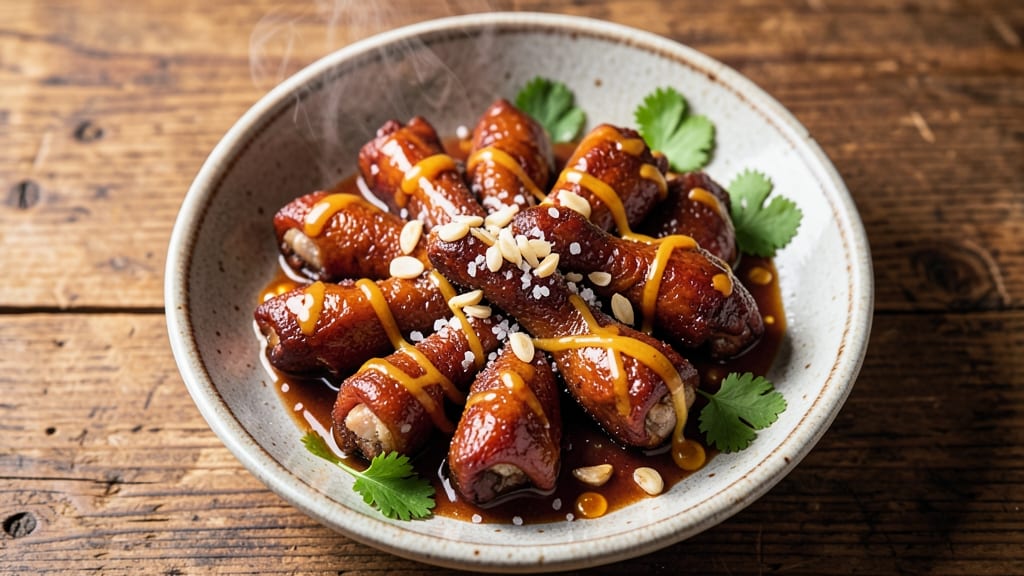
Filipino chicken feet recipe transforms humble ingredients into a crispy-fried delicacy that’s rich in texture and tradition. This dish, a staple in Filipino cuisine, delivers a satisfying crunch paired with savory soy-ginger flavors that linger long after the last bite.
The process—soaking, boiling, and double-frying—may sound involved, but the result is worth every step, offering a restaurant-quality experience at home.
The secret to success lies in the preparation: soaking the feet overnight to remove impurities, then boiling them until tender before frying to achieve that signature crispy exterior. A simple marinade of garlic, soy sauce, and calamansi (or lemon) infuses each bite with bright, umami-rich flavor.
This method ensures the meat stays juicy while the skin becomes irresistibly crunchy—a balance that’s both satisfying and deeply rooted in Filipino comfort food culture.
Once fried to a golden brown, the chicken feet are ready to be served with classic sides like steamed rice, vinegar dip, or a tangy atchara (pickled papaya).
The dish is hearty enough to stand alone but pairs beautifully with other Filipino staples, making it a perfect centerpiece for gatherings or a rewarding meal for one. Every crispy bite delivers a harmony of textures and flavors that define this beloved dish.
With just a few simple ingredients and a methodical approach, you’ll create a dish that’s as impressive as it is delicious. The key is patience—letting the flavors develop and the texture transform through each step.
Whether you’re introducing someone to Filipino cuisine or recreating a childhood favorite, this recipe delivers a crispy, savory delight that’s hard to resist.
Ingredients for chicken feet filipino
Filipino comfort food essentials, transforming humble ingredients into a crispy, savory delight.
| Ingredient | Amount | Notes |
|---|---|---|
| Chicken Feet 🦆 | 2 ½ lb | Fresh, cleaned, skin intact |
| Garlic Cloves 🧄 | 12 cloves | Minced for marinade |
| Soy Sauce 🥄 | ½ cup | High-quality, preferably Japanese |
| Calamansi Juice 🍋 | ¼ cup | Or substitute with lemon juice |
| Vegetable Oil 🫒 | 3 cups | High smoke point for frying |
| Salt 🧂 | 2 tbsp | Kosher or sea salt |
| Black Peppercorns 🌶️ | 1 tsp | Freshly ground |
| Baking Soda 🧪 | 1 tbsp | For tenderizing |
| White Vinegar 🍶 | ½ cup | For soaking solution |
| Green Onions 🧅 | 4 whole | Sliced for garnish |
| Sesame Oil 🫒 | 1 tbsp | For finishing |
| Ground White Pepper 🌶️ | ½ tsp | For subtle seasoning |
| Sugar 🍚 | 1 tbsp | Balances flavors |
The chicken feet are the star, so source them from a trusted Asian market or specialty butcher—look for fresh, clean feet with intact skin and minimal odor. Filipino grocery stores often carry them pre-cleaned, saving you time. If using frozen, thaw overnight in the fridge with a change of water every few hours to remove impurities. The skin must remain intact for that signature crispy texture, so handle gently. For best results, buy in bulk—2.5 lbs will yield about 6 servings after accounting for trimming and cooking losses. Avoid feet with broken skin or a strong ammonia smell, as these indicate poor quality.
No calamansi? Lemon juice works perfectly—just double the amount for brightness. The soy sauce should be Japanese-style, like Kikkoman, for deeper umami. Substitute baking soda with 1 tbsp baking powder if unavailable, though the texture may differ slightly. For the frying oil, vegetable or peanut oil works best due to their high smoke points. If you can't find sesame oil, toasted sesame seeds sprinkled at the end provide a similar nutty aroma. The garlic should be freshly minced—pre-minced garlic lacks the aromatic punch needed for this dish.
Store prepped chicken feet in the fridge for up to 2 days before frying, covered with a damp towel to retain moisture. The marinade can be made 1 day ahead and stored in an airtight container. Once fried, keep the chicken feet in a paper-lined container to maintain crispiness for 3-4 days. For longer storage, freeze in a single layer before transferring to a bag—this preserves texture for up to 3 months. Reheat in a 350°F oven for 10 minutes to restore crispiness.
Why You'll Love This Recipe
- 24-Hour Magic: I’ll be honest—this recipe feels like cheating. Toss in the chicken feet, vinegar, and baking soda, then walk away for a full day. The baking soda does all the heavy lifting while you’re asleep, turning tough collagen into something tender and irresistible. No chopping, no stress—just come back to a bowl of prepped, flavor-ready protein.
- Umami Bomb: Between the soy sauce and calamansi juice, this marinade is next-level. The calamansi cuts through the richness like a citrus wake-up call, while the soy sauce soaks in deep, giving each bite that addictive savory punch. And that final drizzle of sesame oil? It’s the cherry on top—nutty, aromatic, and impossible to resist.
- Party Ready: This isn’t just a snack—it’s a crowd-pleaser. Serve it at a gathering with a bowl of rice and watch people fight over the crispy bits. The prep ahead is a lifesaver too: marinate the feet the night before, and on game day, just fry and serve. No last-minute scrambling, just pure, satisfying crunch.
- Budget Crunch: Chicken feet are the unsung hero of affordable protein. Two and a half pounds of them stretch further than you’d think, especially when paired with rice or a simple salad. Plus, the marinade uses pantry staples—soy sauce, vinegar, garlic—so you’re not breaking the bank for fancy ingredients. It’s comfort food without the guilt.
Step-by-step instructions for Filipino chicken feet
Transform tough chicken feet into irresistibly crispy, savory bites through precise preparation and frying.
Prepare the Tenderizing Soak
In a large bowl, combine the 2.5 lb chicken feet, 0.5 cup white vinegar, 1 tbsp baking soda, 1 tbsp sugar, 2 tbsp salt, and 12 cloves minced garlic cloves. The baking soda works as a natural tenderizer, while the vinegar and sugar create an acidic-sweet balance that breaks down connective tissues. Let the mixture marinate for 24 hours in the refrigerator, turning the chicken feet occasionally to ensure even exposure to the solution.
After soaking, drain the chicken feet and rinse them thoroughly under cold water to remove any residual baking soda and vinegar. Pat them completely dry with paper towels—this step is critical for achieving maximum crispiness during frying. Any moisture left on the skin will prevent proper browning and create a soggy texture instead of the desired crunch.
Create the Soy-Ginger Marinade
In a separate bowl, whisk together 0.5 cup soy sauce, 0.25 cup calamansi juice, 0.5 tsp ground white pepper, 2 tbsp salt, and 1 tsp freshly ground black peppercorns. The calamansi juice adds a bright citrus note that cuts through the richness of the soy sauce, while the white pepper provides a subtle, aromatic warmth. Let the marinade sit for 10 minutes to allow the flavors to meld before using.
Transfer the drained and dried chicken feet to the marinade, ensuring each piece is fully coated. Cover and refrigerate for an additional 4 hours (or up to 12 hours for deeper flavor penetration). This marinating step infuses the chicken feet with umami depth and prepares them for the crispy transformation during frying.
Deep-Fry for Crispy Perfection
In a deep, heavy-bottomed pot, heat 3 cups vegetable oil over medium-high heat until it reaches 350°F—use a thermometer for accuracy. The oil should shimmer but not smoke excessively. Carefully add the marinated chicken feet in batches, ensuring the oil doesn't cool significantly between additions. Fry for 8-10 minutes, turning occasionally, until the skin turns a deep golden brown and the chicken feet float to the surface.
Remove the fried chicken feet with a slotted spoon and drain on a wire rack or paper towel-lined plate. The key to crispiness lies in maintaining the oil temperature—if it drops below 325°F, the chicken feet will absorb oil instead of developing a crispy crust. Work in small batches to prevent overcrowding, which can lower the oil temperature and lead to uneven cooking.
Finish with Aromatic Touches
While the chicken feet are still hot, drizzle them with 1 tbsp sesame oil and toss gently to coat evenly. The sesame oil adds a nutty aroma that complements the savory soy marinade. Immediately garnish with 4 whole green onions, sliced thinly on the bias, to add a fresh, crisp contrast to the rich, fried texture.
Serve the chicken feet immediately, as they will lose crispiness as they cool. For an authentic Filipino touch, pair them with a side of sinigang (sour tamarind soup) or a simple garlic rice to balance the bold flavors. The contrast of textures—crispy exterior, tender interior, and fresh garnish—makes this dish unforgettable.
Pro Tips For Making Chicken Feet Filipino
- Test Oil First: I used to burn the first batch because I assumed my stove was hot enough—it wasn’t. Before frying, drop a tiny piece of chicken foot into the oil. If it sizzles and floats immediately, you’re good. If it sits there like a sad dumpling, crank the heat higher and wait another minute. That 350°F mark is non-negotiable for crispiness.
- Rinse Like You Mean It: After the baking soda soak, I learned the hard way that half-hearted rinsing leaves a metallic tang. Scrub the chicken feet under cold running water for at least 30 seconds, then give them a final dunk in fresh water. Pat them thoroughly—wet spots turn to greasy, soggy patches when fried. Trust me, your future self will curse you if you skip this.
- Marinate Evenly or Regret It: Dumping chicken feet into the soy-calamansi marinade without flipping them means half the batch tastes like sad, underseasoned chicken. Every 30 minutes, turn them so the garlic and peppercorns cling to every crevice. If you’re short on time, use tongs to poke and flip them mid-marinate—uneven coating = uneven flavor.
- Fry in Two Batches: Crowding the pot drops the oil temperature faster than a politician’s promises. Fry the first batch until golden, then remove it completely before adding the second. Your oil should stay at 350°F—if it doesn’t, you’re just deep-frying in lukewarm fat, and that’s a one-way ticket to greasy, limp chicken feet. Patience here saves you from re-frying.
Troubleshooting your chicken feet filipino
Oil Temperature Woes
If your oil isn’t reaching 350°F or drops below 325°F during frying, your chicken feet will absorb oil instead of crisping up. I use a Taylor Precision thermometer to monitor temperature—it’s the only way to avoid soggy results.
If your oil struggles to heat, reduce the batch size or preheat the oil for 5 minutes before adding chicken feet. 🌡️
Soggy Skin Solution
Leaving moisture on the chicken feet after soaking is the #1 cause of soggy skin. After rinsing, pat them dry with paper towels for at least 10 minutes—even a damp spot will prevent browning.
I like to let them air-dry for 15 minutes on a wire rack before frying. This extra step makes all the difference.
Undercooked Interiors
If the chicken feet feel rubbery inside, they need more time in the marinade. The 4-hour minimum is critical for flavor and tenderness. I’ve found that marinating for 8-12 hours ensures the meat becomes fork-tender. Don’t rush this step—patience here pays off in texture.
Uneven Browning
Overcrowding the fryer drops the oil temperature, causing uneven browning. Fry in 2-3 batches of 6-8 pieces each to maintain 350°F. If some pieces brown faster, remove them and return the rest when the oil temp stabilizes again. A slotted spoon helps remove excess oil without disturbing the batch.
Flavor Too Mild
If the final dish lacks depth, boost the marinade with an extra 1 tbsp soy sauce or ½ tsp ground white pepper before frying. I also recommend using Japanese soy sauce like Kikkoman—it’s saltier and more flavorful than regular soy sauce.
Taste the marinade before adding the chicken feet to adjust seasoning.
Nutrition facts
Frequently asked questions
Why do I need to soak chicken feet for 24 hours?
The 24-hour soak with white vinegar and baking soda is essential to break down tough connective tissues and remove impurities. This step transforms rubbery chicken feet into tender, flavorful bites. Skipping it results in a chewy texture that even frying can't fix.
Can I use frozen chicken feet instead of fresh?
Yes, but thaw them properly first! Soak frozen feet in cold water for 30 minutes, changing the water every 10 minutes to remove impurities. Then follow the same soaking process as fresh. Never use frozen feet directly from the freezer—they won't crisp properly.
What's the best way to store leftover fried chicken feet?
Keep them crispy by storing in a paper-lined container at room temperature for up to 4 hours. For longer storage, refrigerate in an airtight container for 3-4 days. Reheat at 350°F for 10 minutes to restore crispiness. Freezing isn't recommended as it makes the skin soggy.
How do I adjust the recipe for a smaller batch?
Reduce all ingredients proportionally—use 1.25 lb chicken feet, 0.25 cup soy sauce, 0.125 cup calamansi juice, and 1.5 cups oil. Maintain the same ratios to preserve flavor and texture. Fry in 350°F oil for 7-8 minutes instead of 8-10.
What if I don't have calamansi juice?
Substitute with lemon juice—use double the amount (0.5 cup instead of 0.25 cup) for similar brightness. Lime juice works too, but calamansi provides the most authentic tang. The extra acidity helps balance the soy sauce's richness.