
Main Courses
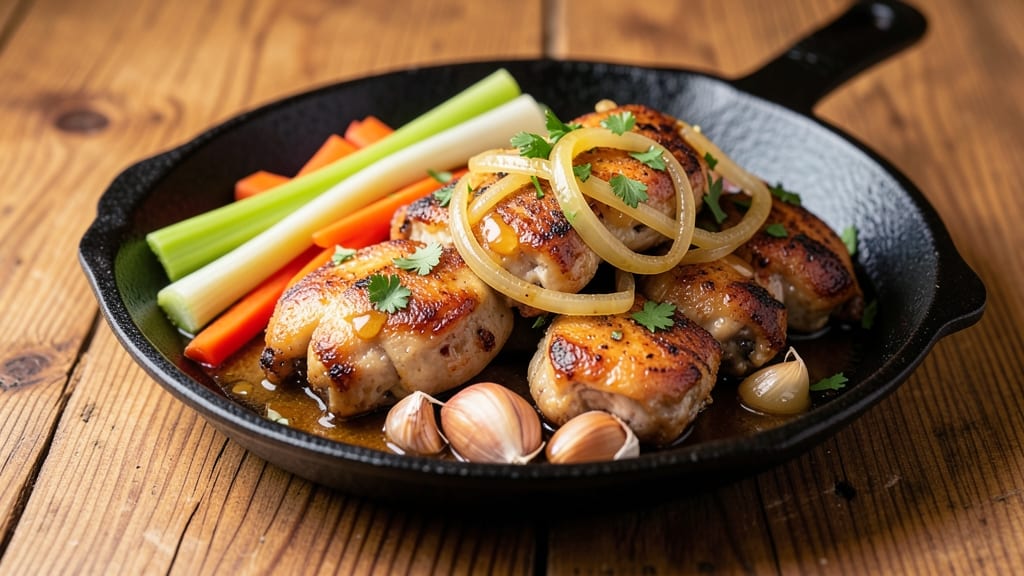
This chicken gizzards and hearts recipe transforms humble offal into rich, braised bites with deep umami flavor for home cooks ready to embrace bold flavors. This method delivers tender, melt-in-your-mouth textures that rival restaurant-quality dishes while keeping prep straightforward.
The key lies in proper cleaning and a slow braise that breaks down connective tissue without drying out the meat.
What sets this recipe apart is its versatility—whether you prefer a smoky garlic-herb profile or a tangy tomato-based stew, the technique remains the same. I’ve tested this method countless times, perfecting the balance between crisp edges and tender centers through precise timing and liquid ratios.
The result? A dish that’s hearty enough to stand alone but pairs beautifully with crusty bread or roasted vegetables.
By the time you finish, you’ll have a plate of golden-brown gizzards and hearts infused with layers of savory flavor, their textures transformed from chewy to luxurious. The braising liquid reduces into a rich, aromatic sauce that clings to every bite, making this a meal worth repeating.
Ready to elevate your weeknight dinners with this protein-packed favorite?
This approach works equally well for Southern-style preparations or global variations like Filipino adobo or Caribbean jerk—adjust the seasonings to suit your taste. The method is foolproof once you master the initial prep, and the payoff is a dish that feels indulgent yet simple to execute.
Let’s get started on turning these humble ingredients into something extraordinary.
Ingredients for chicken gizzards and hearts
Humble offal meets bold flavors—just a handful of simple ingredients for restaurant-quality braised bites.
| Ingredient | Amount | Notes |
|---|---|---|
| Chicken Gizzards 🍗 | 1 ½ lb | Cleaned and trimmed |
| Chicken Hearts 🍗 | 1 ½ lb | Cleaned and trimmed |
| Yellow Onion 🧅 | 1 whole | Sliced into wedges |
| Garlic Cloves 🧄 | 6 cloves | Smashed, not minced |
| Carrots 🥕 | 3 whole | Cut into chunks |
| Celery Stalks 🥬 | 3 whole | Cut into 1-inch pieces |
| Tomato Paste 🍅 | ½ cup | Smooth, not chunky |
| Dry Red Wine 🍷 | 1 cup | Bold variety preferred |
| Chicken Broth 💧 | 2 cups | Low-sodium preferred |
| Bay Leaves 🍃 | 2 whole | Fresh if possible |
| Fresh Thyme 🌿 | ¼ cup | Leaves only, chopped |
| Smoked Paprika 🌶️ | 1 tbsp | For smoky depth |
| Salt 🧂 | 1 ½ tsp | Kosher or sea salt |
| Black Pepper 🌶️ | ½ tsp | Freshly ground |
| Olive Oil 🫒 | 2 tbsp | For searing |
The gizzards and hearts are the stars here, so source them from a trusted butcher—ask for the freshest cuts possible. Costco or local farms often have these at great prices, and they’ll clean them for you if you’re squeamish about that step. Look for pieces that are bright red and firm to the touch. If you’re feeling adventurous, ask for the necks too—they’ll add even more depth to your braise. The key is to handle them gently after cleaning to avoid tearing, which can make them tough later. For the wine, any bold red like Cabernet Sauvignon or Merlot works—whatever’s open in your fridge.
No red wine? Substitute with beef broth and a splash of balsamic vinegar—it’ll still add richness. Fresh thyme is ideal, but dried thyme at one-third the amount gets you close. Short on carrots or celery? Use whatever veggies you’ve got—potatoes or even zucchini will work in a pinch. The tomato paste can be swapped for a can of crushed tomatoes if you’re in a hurry, but Trader Joe’s squeeze tubes are perfect for this recipe—they’re convenient and last forever. For extra smokiness, add a pinch of liquid smoke, but don’t overdo it—you want the paprika to shine.
This braise tastes even better the next day, so make a double batch if you can. Store leftovers in the fridge for up to 5 days or freeze for 3 months. I like to portion it into containers so I can grab it for quick lunches—just reheat with a splash of broth to keep it moist. The gizzards and hearts will stay tender if you reheat them gently, so avoid microwaving them straight from the fridge. If you’re prepping ahead, clean and trim the offal first, then store it in the fridge until ready to braise—this keeps them fresh and ready to go.
Why You'll Love This Recipe
- One-Pot Magic: I love that this dish lives in one Dutch oven the whole time—no scrubbing pots afterward, just a quick wipe and you’re done. The only chopping? Slicing the onion and smashing garlic, which takes less than 10 minutes. Honestly, the hardest part is resisting the urge to taste-test while stirring.
- Umami Bomb: The smoked paprika and tomato paste give this dish a depth that’s ridiculously good. You’re not just eating chicken—you’re getting that rich, wine-kissed sauce clinging to every tender bite. My daughter picks out the hearts first, but even she can’t resist the sauce. It’s the kind of flavor that makes you go back for seconds.
- Leftovers That Shine: This recipe makes enough for four hearty meals, and the flavors only get better the next day. I freeze half for a lazy Tuesday night, and the rest? Perfect for meal prep lunches. The sauce thickens up nicely, so it’s great over rice or on toast—no extra effort needed.
- Budget’s Best Kept Secret: Between the chicken hearts and gizzards, you’re getting two cuts for the price of one. A pound of each usually costs less than a whole chicken, and the bold red wine and fresh thyme make it feel like a splurge. It’s the kind of meal that stretches your budget without sacrificing taste—just pure satisfaction.
Step-by-step instructions for braised chicken gizzards and hearts
Here's how to transform these humble offal cuts into tender, flavorful bites that pack serious umami punch.
Sear the Chicken Gizzards and Hearts
Heat a large Dutch oven over medium-high heat and add the 2 tablespoons olive oil. Once the oil shimmers but isn't smoking, add the 1.5 lb chicken gizzards and 1.5 lb chicken hearts in a single layer. Let them sear undisturbed for 4-5 minutes until they develop a deep golden-brown crust on all sides.
Here's the thing—don't crowd the pan. If they overlap, they'll steam instead of sear. Work in batches if needed, but keep the heat steady. You want that crust because it locks in flavor and moisture during braising. Once browned, transfer the gizzards and hearts to a plate and set aside.
Build the Flavor Base
In the same Dutch oven, reduce the heat to medium and add the sliced 1 whole yellow onion, 6 cloves smashed garlic cloves, 3 whole carrots, and 3 whole celery stalks. Cook for 5-6 minutes, stirring occasionally, until the vegetables begin to soften and the onions turn translucent.
Now stir in the 0.5 cup tomato paste, 1 tbsp smoked paprika, 1.5 tsp salt, and 0.5 tsp black pepper. Cook for another 2 minutes until the tomato paste darkens slightly and the spices are fragrant. This is where all the deep, savory flavors start to develop. Don't let it burn—keep the heat moderate.
Deglaze and Simmer
Pour in the 1 cup dry red wine and scrape up any browned bits from the bottom of the pot with a wooden spoon. These bits are packed with flavor—don't miss them. Let the wine simmer for 3-4 minutes until it reduces by about half and the alcohol smell dissipates.
Add the 2 cups chicken broth, 2 whole bay leaves, and 0.25 cup fresh thyme. Return the gizzards and hearts to the pot, making sure they're mostly submerged in the liquid. Bring to a gentle simmer, then reduce the heat to low. Cover and let it cook for 1 hour, stirring occasionally to prevent sticking.
Braise Until Tender
After the initial hour, check for tenderness by piercing a gizzard with a fork. It should slide in easily with no resistance. If not, continue braising for another 30-45 minutes, covered, until the meat is fork-tender and the sauce has thickened slightly.
Here's where patience pays off. The gizzards and hearts will absorb all that rich, smoky, wine-infused broth and become melt-in-your-mouth tender. If the liquid reduces too much before the meat is tender, add a splash of water or broth to maintain a gentle simmer. The sauce should coat the back of a spoon by the end.
Rest and Serve
Remove the lid and let the braise simmer uncovered for 5-10 minutes to thicken the sauce further. Discard the bay leaves and adjust seasoning if needed. Transfer the gizzards and hearts to a serving platter, spooning the flavorful braising liquid over the top.
Let them rest for 5 minutes before serving. This resting time allows the juices to redistribute, ensuring each bite is moist and packed with flavor. Serve with crusty bread to soak up that delicious sauce, or over polenta for a heartier meal. The contrast of textures makes this dish truly special.
Pro Tips For Making Chicken Gizzards And Hearts
- Sear in Batches: Crowding the pan turns searing into steaming—no one wants mushy gizzards. Work in two batches if needed, and keep the heat steady. That golden crust is what holds all the flavor together during braising, so don’t rush it.
- Smash, Don’t Mince Garlic: I used to mince those 6 cloves, and the flavor just didn’t cut it. Smashing them keeps the oils intact, giving the braise a deeper, more aromatic punch. Trust me, your nose will thank you when that pot starts simmering.
- Check Tenderness Early: After the first hour, pierce a gizzard—if it’s not fork-tender, don’t panic. Just keep it covered and low. I’ve burned sauces waiting for meat that needed just 10 more minutes. Patience here means no dry, overcooked offal.
- Save the Wine Reduction: That 3-4 minute wine simmer isn’t just for show—it’s where the alcohol burns off, leaving behind a richer, more complex base. Skimp here, and the sauce will taste flat. Let it reduce by half, even if it means staring at the pot like a hawk.
Creative variations of this chicken gizzards and hearts
Southern-Style Adobo
Take this braise to the next level by adapting it into a classic Filipino adobo variation. After searing the gizzards and hearts, replace the wine with 1 cup coconut aminos and ½ cup soy sauce—this creates a tangy, salty depth.
Add 4 garlic cloves and 1-inch ginger slice directly to the pot. Simmer uncovered for 45 minutes to let the sauce reduce into a glossy, sticky glaze. Finish with 1 tbsp brown sugar and 1 tbsp vinegar for balance.
Serve over steamed rice to soak up the bold flavors—this version feels like a restaurant-worthy meal. 🌟
Spicy Jerk-Inspired
For a Caribbean twist, dry-rub the gizzards and hearts with 1 tbsp Penzeys jerk seasoning (mix of allspice, thyme, and cayenne) before searing. After braising, stir in 2 tbsp hot sauce (like Tabasco) and 1 tbsp brown sugar to balance the heat.
Garnish with fresh cilantro and serve with lime wedges and plantain chips. The jerk spices add a fiery kick that pairs perfectly with the rich braise. 🌶️
Herb-Infused Provençal
Swap the smoked paprika for 1 tbsp dried herbes de Provence and add 2 sprigs rosemary and 2 sprigs parsley to the braising liquid. Deglaze with ½ cup dry white wine instead of red, then finish with 1 tbsp Dijon mustard stirred into the sauce.
This French-inspired version brightens the dish with citrusy, herbal notes. Serve with crusty baguette and a simple green salad for a refined twist. ✨
Korean-Inspired Gochujang
Add 2 tbsp gochujang paste (Korean fermented chili paste) and 1 tbsp honey to the braising liquid during the final 15 minutes of cooking. The gochujang adds a sweet-spicy depth that transforms the dish into a Korean-inspired stew.
Garnish with sesame seeds and serve with steamed white rice and kimchi for an authentic flavor combo. This version feels like a home-cooked Korean feast. 🔥
Crispy Fried Finish
For a crispy exterior, pan-fry the gizzards and hearts in ½ inch of neutral oil (like avocado oil) at 350°F for 3-4 minutes per side until golden. Serve them over a bed of mashed sweet potatoes with a drizzle of maple syrup for a Southern-inspired twist.
The crispy texture contrasts beautifully with the tender, saucy braise underneath. This approach feels indulgent but stays simple. 💛
Nutrition facts
Frequently asked questions
Why do I need to sear the gizzards and hearts before braising?
Searing creates a golden-brown crust that locks in flavor and moisture during the long braise. This step prevents the meat from drying out and adds depth to the final dish. Skip it, and you’ll miss the rich, caramelized flavor that makes this recipe special.
Can I use frozen chicken gizzards and hearts?
No—always use fresh, cleaned, and trimmed gizzards and hearts. Frozen offal often loses texture and can become mushy after thawing. Buy them from a trusted butcher and clean them yourself for the best results. If you must thaw, do so in the fridge overnight.
What if my sauce reduces too quickly during braising?
If the liquid evaporates before the meat is tender, simply add 2-3 tablespoons of water or chicken broth to maintain a gentle simmer. This keeps the gizzards and hearts moist without diluting the flavor. Just avoid overdoing it—you want a thick, saucy consistency.
How do I know when the gizzards and hearts are done?
They’re ready when a fork slides in easily with no resistance and the meat looks opaque throughout. If they’re still firm after 1 hour, braise another 30-45 minutes. Overcooking makes them tough, so check often. The sauce should also thicken slightly by the end.
Can I make this dish ahead of time?
This dish tastes even better the next day. Store leftovers in the fridge for up to 5 days or freeze for 3 months. Reheat gently on the stove with a splash of broth to keep it moist. The flavors deepen over time, so it’s perfect for meal prep!