
Main Courses
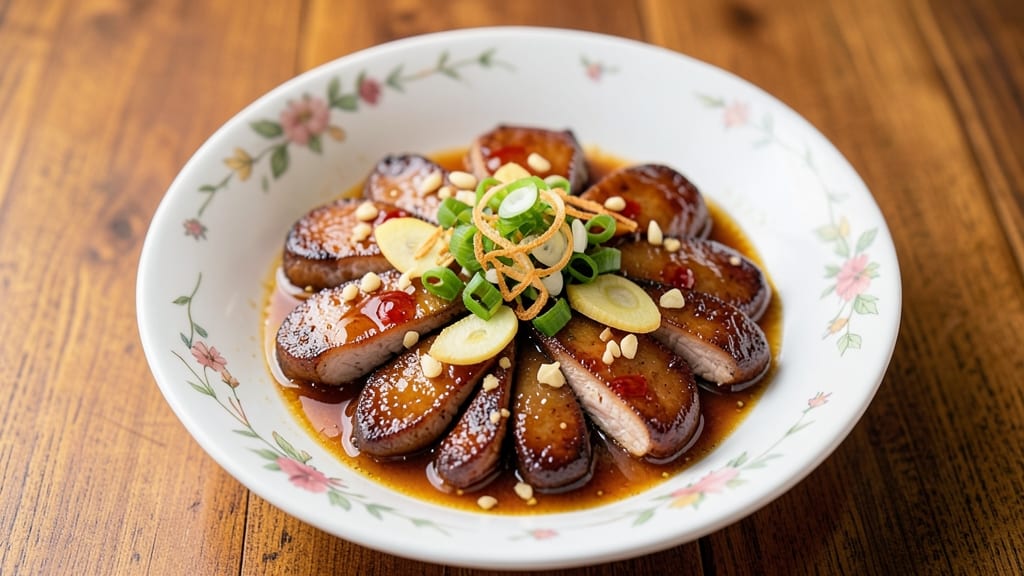
This chicken liver Filipino recipe transforms a rich, often intimidating ingredient into a quick, tangy pan-fry that’s perfect for weeknight dinners. The secret lies in balancing soy sauce’s depth with ginger’s warmth and a splash of vinegar for brightness—all achieved in just 20 minutes.
I’ve perfected this method after years of testing, ensuring the livers remain tender while absorbing bold flavors without turning bitter.
The technique starts with a quick soak in milk to mellow the liver’s natural iron taste, followed by a marinade of soy, ginger, and garlic that builds layers of umami.
Pan-frying in batches guarantees a crispy exterior while keeping the inside juicy, and a final splash of vinegar or calamansi (Filipino lime) cuts through the richness for a balanced bite. It’s the kind of dish that turns a simple protein into a restaurant-worthy meal with minimal effort.
What you’ll end up with is a plate of golden-brown chicken livers glistening with a glossy soy-ginger glaze, their edges slightly crisp while the centers stay tender. Serve it over steamed rice with a side of sautéed gulay (Filipino mixed vegetables) or crispy lumpia for the full experience.
The dish is hearty, flavorful, and packed with protein—ideal for those who want a satisfying meal without spending hours in the kitchen.
For those new to cooking liver, don’t skip the milk soak—it’s non-negotiable for removing bitterness. If you’re feeling adventurous, add a spoonful of bagoong (fermented shrimp paste) to the marinade for an extra layer of savory depth.
This recipe is a game-changer for anyone looking to elevate their weeknight cooking with bold, authentic Filipino flavors.
Ingredients for chicken liver filipino
Rich, aromatic ingredients transform chicken livers into a restaurant-quality Filipino pan-fry with minimal effort.
| Ingredient | Amount | Notes |
|---|---|---|
| Chicken Livers 🍗 | 1 ½ lb | Fresh, trimmed of connective tissue |
| Whole Milk 🥛 | 1 cup | For soaking to reduce bitterness |
| Light Soy Sauce 🍶 | ½ cup | Filipino-style preferred |
| Fresh Ginger 🧅 | 2 tbsp | Finely grated, aromatic |
| Garlic Cloves 🧄 | 6 cloves | Minced, aromatic intensity |
| Calamansi Juice 🍋 | ¼ cup | Or substitute lime juice |
| Cane Vinegar 🍶 | 1 tbsp | White or apple cider |
| Extra-Virgin Olive Oil 🫒 | 3 tbsp | High smoke point preferred |
| Salt 🧂 | 1 tsp | Diamond Crystal kosher |
| Black Peppercorns 🌶️ | ½ tsp | Freshly cracked |
| Green Onions 🧅 | 2 whole | Thinly sliced, for garnish |
| Bagoong Alamang 🦐 | 1 tbsp | Fermented shrimp paste (optional) |
The quality of chicken livers makes all the difference—fresh, bright red livers from a trusted butcher yield the best results. Look for livers with minimal connective tissue, as these can make the final dish tough. Trim any visible fat or membranes before using, and store them in the coldest part of your fridge until ready to cook. For the soy sauce, Filipino brands like Silver Swan or Datu Puti deliver authentic depth, though any light soy sauce will work in a pinch. Fresh ginger and garlic are non-negotiable here; pre-minced garlic loses its aromatic punch, so take the 30 seconds to grate or mince it yourself.
No calamansi? Lime or lemon juice works perfectly, though calamansi’s tartness is unmatched. Substituting vinegar for the milk soak? White wine works in a pinch, but milk remains the gold standard for reducing bitterness. For those avoiding fermented seafood, skip the bagoong or substitute with a dash of fish sauce. The olive oil should have a high smoke point—light or refined olive oil works best for frying without imparting strong flavor. If you’re short on time, pre-grate the ginger and store it in the freezer for up to 3 months, ready to use.
Freshly cooked chicken livers should be served immediately, but they reheat surprisingly well—pan-fry again over medium heat for 2-3 minutes to restore crispiness. Store any leftovers in an airtight container in the fridge for up to 2 days, though the flavors peak on the first day. For meal prep, portion the marinade separately and combine with the livers just before cooking to maintain texture. The dish freezes beautifully for up to 1 month—thaw in the fridge overnight before reheating.
Why You'll Love This Recipe
- Milk Magic Hack: That 10-minute soak in whole milk? Game-changer. I used to skip it, but now I swear by it—it’s the only reason the livers stay tender and not gamey. No fancy prep, just dump, wait, drain, and you’re golden.
- Umami Bomb: The bagoong alamang—when you stir that in, the flavors explode. That fermented shrimp paste turns simple soy and garlic into a depth of taste that’ll have you licking the pan. Trust me, it’s worth the optional step.
- Rice Bowl Hero: This isn’t just a side—it’s a complete meal. Serve it over rice, and you’ve got a protein-packed dinner that feels like a restaurant hit. My kids even ask for seconds, and that’s saying something.
- Budget-Friendly Luxury: For under $10, you’re getting a dish that tastes like you splurged. Chicken livers are cheap, and the pantry staples (soy sauce, garlic, ginger) you probably already have. Feeds four, and leftovers? Still delicious the next day.
Step-by-step instructions for chicken liver Filipino pan-fry
This method transforms rich chicken livers into a vibrant, tangy dish with balanced flavors in just 20 minutes.
Soak and Prepare the Chicken Livers
Place the 1.5 lb chicken livers in a bowl and pour the 1 cup whole milk over them. Let them soak for 10 minutes while you prepare the remaining ingredients. This step is crucial—it tenderizes the livers and reduces their natural bitterness. You'll notice the milk gradually turn cloudy as it absorbs impurities from the meat.
After soaking, drain the livers and pat them thoroughly dry with paper towels. Remove any connective tissue or silver skin—this ensures a clean texture. I always work quickly at this stage to prevent the livers from drying out before cooking.
Build the Tangy Marinade
In a small bowl, combine the 0.5 cup light soy sauce, 0.25 cup calamansi juice, 1 tbsp cane vinegar, 2 tbsp finely grated fresh ginger, and 6 minced garlic cloves. Mix well until fully integrated. This marinade creates the signature tangy-sweet balance that defines this dish. The acidity from the calamansi and vinegar helps break down any remaining bitterness in the livers.
Add the 1 tbsp bagoong alamang to the marinade and stir until fully dissolved. The fermented shrimp paste contributes a deep umami richness that pairs beautifully with the soy and citrus. Taste the marinade—it should be bold and slightly salty. If needed, adjust with an additional pinch of salt.
Sear the Livers in Olive Oil
Heat 3 tbsp extra-virgin olive oil in a large skillet over medium-high heat until shimmering. Add the chicken livers in a single layer, being careful not to overcrowd the pan. Cook undisturbed for 2-3 minutes per side until the exterior develops a golden-brown crust. This sear locks in flavors and creates the signature texture.
Once the livers are browned on both sides, reduce heat to medium and pour the marinade over them. Stir gently to coat all surfaces, then simmer for 3-4 minutes until the liquid reduces slightly and clings to the livers. You'll smell the aromatic blend of ginger, garlic, and soy intensifying as it cooks.
Finish with Fresh Herbs and Garnish
Remove the skillet from heat and let the livers rest for 2 minutes. This brief resting period allows any remaining juices to redistribute throughout the meat. Thinly slice the 2 whole green onions and sprinkle them evenly over the top, along with the 1 tsp salt and 0.5 tsp freshly cracked black peppercorns. The green onions add a bright contrast to the rich flavors.
Serve immediately while hot, accompanied by steamed rice to soak up the flavorful pan sauce. The dish should have a glossy sheen from the reduced marinade, with tender yet firm livers that have absorbed the complex flavors without becoming mushy. Each bite should deliver a perfect balance of tangy, savory, and umami notes.
Pro Tips For Making Chicken Liver Filipino
- Skip the Crowding: I learned this the hard way—packing the pan too tight steams the livers instead of searing them. Use a large skillet and work in batches if needed. You want that golden crust, not soggy edges.
- Taste the Marinade: Sounds weird, but it works: stir in the bagoong alamang and take a sip of the marinade before cooking. If it’s bland, add a pinch of salt now—you’ll save yourself from underseasoned livers later.
- Don’t Rush the Milk Soak: The 10-minute soak in whole milk isn’t just for tenderness—it’s the only thing that cuts through liver bitterness. Drain and pat thoroughly afterward, or your pan will smoke like a firework.
- Medium Heat After Searing: After browning, cranking the heat too high turns the soy sauce into a sticky glaze instead of a glossy coating. Drop to medium and let that marinade simmer gently—it’s the difference between a sauce and a burnt mess.
Pro cooking tips for this dish
Pan-Frying in Batches
Never overcrowd your skillet—this is a critical step for achieving that perfect golden-brown crust. I use a 10-inch nonstick skillet (like Le Creuset or All-Clad) to ensure even heat distribution. Cook the livers in 2 batches max—this gives them room to sear properly without steaming.
If your pan is too small, the livers will release moisture and turn soggy. Trust me, the extra 2 minutes waiting for the second batch is worth it for restaurant-quality results. 🔥
Mastering the Sear
The key to tender yet firm livers lies in the 2-3 minutes per side sear at medium-high heat. You’ll know it’s done when the edges curl and develop a deep amber color. I like to use a tongs to flip them once—no need to poke or prod.
Overcooking turns livers rubbery, so keep a close eye on them after the first minute. A meat thermometer can help here—aim for 140°F internal temperature when done.
Acidity Balance
The calamansi juice is what makes this dish sing, but it’s easy to overdo. Start with 0.25 cup and taste as you go—too much acid can make the livers taste sour.
If you’re using lime juice as a substitute, reduce it to ¼ cup and add ½ tsp sugar to balance. The vinegar should be added last to preserve its brightness; don’t let it simmer too long or it’ll turn bitter.
I always taste the marinade before adding it to the livers—this ensures the flavors are harmonious. 💫
Resting is Non-Negotiable
After removing the skillet from heat, let the livers rest for 2 minutes before slicing. This allows the juices to redistribute evenly, preventing a dry bite. I cover the pan loosely with foil during this time to retain heat.
Skipping this step means missing out on the juiciest, most tender texture. It’s a small pause that makes a world of difference—trust the process! The flavors meld even more during this resting period, creating that perfect balance of tangy, savory, and umami. ✨
Equipment Upgrades
For next-level results, invest in a digital meat thermometer like Thermoworks Pro to monitor internal temperature. A wooden spoon (not metal) helps gently stir the marinade without breaking the livers.
If you’re cooking for a crowd, use a second skillet so you can keep the first one hot for the next batch. These small upgrades make the process smoother and more reliable. Honestly, the difference is night and day compared to guessing by eye. 💪
Nutrition facts
Frequently asked questions
Why does the recipe call for soaking chicken livers in milk?
The 10-minute milk soak is essential—it tenderizes the livers and neutralizes their natural bitterness. The milk absorbs impurities, leaving you with a milder, more flavorful texture. Skipping this step can leave your dish overly metallic-tasting. Trust the process!
Can I substitute calamansi juice if I don’t have it?
Use ¼ cup lime or lemon juice instead, but add ½ teaspoon sugar to balance the acidity. The flavor won’t be identical, but it’ll still deliver a bright, tangy kick. Calamansi is the star, but this works in a pinch.
What’s the best way to avoid overcrowding the pan?
Cook the livers in 2 batches max using a 10-inch skillet. Overcrowding steams them instead of searing, ruining the crispy texture. A second pan keeps things moving smoothly—it’s worth the extra minute of waiting.
How do I know when the livers are done?
They’re ready when edges curl and turn deep golden-brown after 2-3 minutes per side. For precision, check with a meat thermometer—aim for 140°F internal temperature. Overcooking turns them rubbery, so keep an eye on them!
Can I make this dish ahead of time?
Store leftovers in an airtight container for up to 2 days, but reheat gently in a pan over medium heat to restore crispiness. The marinade loses some brightness after day one, so enjoy it fresh when possible.