
Main Courses
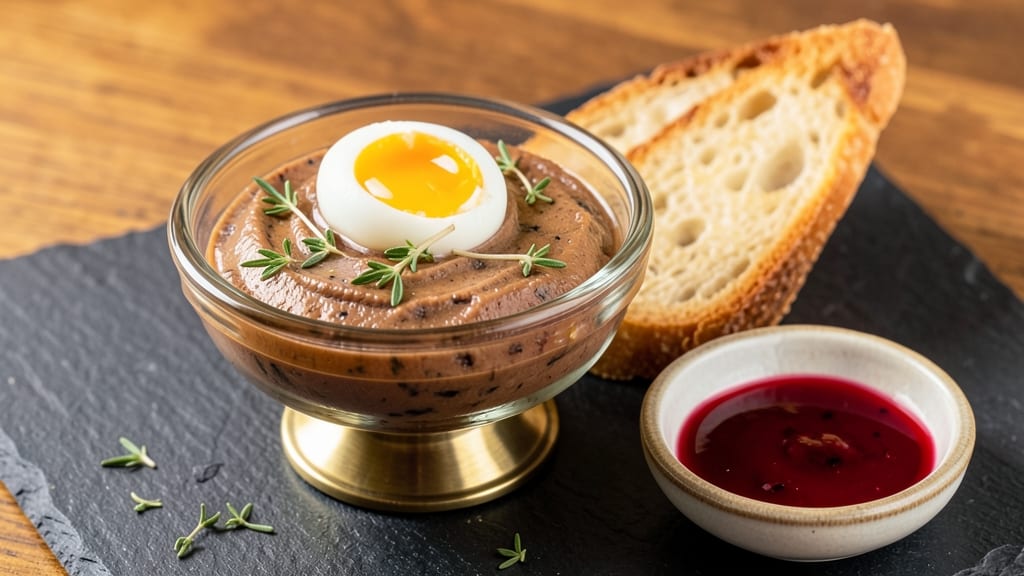
Creating a chicken liver pâté inspired by Gordon Ramsay’s precision and bold flavors transforms a humble ingredient into a luxurious centerpiece. This recipe delivers a velvety, herb-infused spread with brandied richness that elevates any dinner table.
The key lies in perfecting the emulsification—where liver, fat, and aromatics blend seamlessly into a silky texture without breaking. I’ve refined this method over years, ensuring every bite balances depth with finesse, just as Ramsay would demand.
The foundation starts with blanching the liver to remove any bloodiness, then simmering it in a fragrant mix of shallots, garlic, and brandy for depth. A high-speed blend with butter and herbs creates that signature Ramsay-style smoothness, while a final tempering step locks in the velvety consistency.
This isn’t just pâté—it’s a restaurant-quality dish achievable at home with the right technique and patience. The result? A spread so rich and aromatic, it turns simple toast into an indulgence.
What sets this apart is the balance: bold flavors from the brandy and herbs, tempered by a touch of acidity to cut through the richness. Serve it on crusty baguette slices, drizzled with a reduction of the cooking liquid, or pair it with pickled vegetables for contrast.
The secret weapon? Precision—measuring ingredients carefully and controlling heat to avoid breaking the emulsion. Ramsay’s approach emphasizes confidence in technique, and this recipe delivers just that.
For those new to pâté, the process might seem intimidating, but the steps are methodical. We’ll cover how to handle raw liver safely, why blanching is non-negotiable, and how to troubleshoot if the texture separates.
The reward? A dish so refined, it’ll impress even the most discerning guests. Let’s get started—your taste buds are in for a treat.
Ingredients for chicken liver pate recipe gordon ramsay
Precision-crafted ingredients blend into Ramsay-style pâté with velvety texture and brandied richness.
| Ingredient | Amount | Notes |
|---|---|---|
| Chicken Livers 🍗 | 1 lb | Fresh, trimmed of connective tissue |
| Unsalted Butter 🧈 | ½ cup | Cold, cubed for emulsification |
| Shallots 🧅 | 4 whole | Finely minced, skin removed |
| Garlic Cloves 🧄 | 3 cloves | Peeled, minced for aromatic depth |
| Brandy 🍷 | ¼ cup | High-quality, 80-proof minimum |
| Fresh Thyme Leaves 🌿 | 1 tbsp | Finely chopped, stems removed |
| Fresh Parsley Leaves 🌿 | ½ cup | Chopped, bright green variety |
| Diamond Crystal Kosher Salt 🧂 | ½ tsp | Fine grain for delicate seasoning |
| Fresh Lemon Juice 🍋 | 1 tbsp | Freshly squeezed, acid balance |
| Heavy Cream 🥛 | ¼ cup | Cold, for final tempering |
| Baguette Slices 🍞 | 12 pieces | Crusty, lightly toasted |
| Cold Water 💧 | ½ cup | For ice bath during blanching |
| Olive Oil 🫒 | 1 tbsp | Light, for sautéing |
The chicken livers are the heart of this pâté—freshness is non-negotiable. Source them from a trusted butcher or gourmet market like Whole Foods or D'Artagnan, where they’re handled with care. Look for livers that are uniformly colored and free of discoloration. The brandied richness comes from using high-quality brandy—Cognac or Armagnac elevate the flavor profile, but a good 80-proof brandy works if you're on a budget. Thyme and parsley should be vibrant green, indicating freshness. Store livers in the coldest part of your fridge, wrapped in paper towels, and use within 2 days for optimal texture.
Substitutions require finesse. No brandy? Substitute with apple cider or even a splash of sherry, though the depth will differ. Fresh herbs unavailable? Dried thyme at one-third the amount works, but fresh parsley’s brightness is irreplaceable. The butter must be unsalted and cold—this ensures proper emulsification. For the baguette, any crusty bread will do, but French-style with a crisp exterior is ideal. The olive oil should be light and neutral—avoid extra-virgin here, as its intensity can overpower the delicate flavors. If you’re short on time, pre-minced shallots from a jar work, though freshly minced adds depth.
This pâté keeps beautifully—up to 5 days refrigerated in an airtight container with a thin layer of plastic wrap pressed directly on the surface to prevent browning. For longer storage, freeze in 1-ounce portions for up to 3 months. When reheating, warm gently in a water bath to 120°F—never microwave, as it can break the emulsion. Serve chilled or at room temperature, paired with the reduced cooking liquid drizzled over the top for an elegant finish. The pâté’s texture will improve over time as the flavors meld, making it perfect for prepping ahead.
Why You'll Love This Recipe
- One-Pan Magic: I swear by this recipe because it’s almost foolproof—just one skillet, one immersion blender, and you’re done. The only real prep is the 3-minute blanch and 5-minute rest for the livers, and honestly, that’s less work than defrosting frozen bread. The brandy reduces in minutes, and the butter emulsifies like a dream if you keep the heat low.
- Brandy-Kissed Luxury: That 0.25 cup brandy isn’t just a splash—it’s the secret weapon. It caramelizes into the butter, leaving behind a warm, honeyed depth that makes the pâté taste like a fancy bistro spread, not something you whipped up on a weeknight. The thyme and parsley cut through the richness just enough to keep it bright.
- Weeknight Hosting Hero: Between us, this is my go-to for dinner parties when I don’t want to slave over a full meal. Serve it with the toasted baguette, a simple green salad, and a bottle of wine—suddenly, you’re the chef who nailed the spread. It’s rich enough for a holiday table but unfussy enough for a Tuesday.
- Leftovers That Don’t Let You Down: I make this just because the leftovers are so good. Up to 5 days in the fridge, it stays velvety if you press plastic wrap right on the surface (trust me, it works). Reheat gently, and it’s still spreadable—perfect for quick lunches or sneaking onto charcuterie boards when guests drop by.
Step-by-step instructions for chicken liver pâté
This refined technique transforms delicate chicken livers into a luxurious, velvety spread with perfect brandy-infused richness.
Blanch and Prepare the Chicken Livers
Place the 1 lb chicken livers in a saucepan and cover with the 0.5 cup cold water. Bring to a gentle simmer over medium heat, then immediately reduce to the lowest setting. Let them poach for exactly 3 minutes - this brief cooking removes any blood while preserving their delicate texture. The livers are done when they float to the surface and turn opaque white.
Using a slotted spoon, transfer the livers to an ice bath to stop the cooking process immediately. This shock treatment prevents overcooking and maintains their silky texture. Once chilled, drain thoroughly on paper towels and trim away any connective tissue or membranes. The livers should be completely dry before proceeding - any moisture will prevent proper emulsification later.
Sauté Aromatics and Cook the Livers
Heat the 1 tbsp olive oil in a large skillet over medium heat until shimmering. Add the 4 whole shallots that have been finely minced and cook for 4-5 minutes until completely translucent but not browned. Add the 3 cloves garlic cloves that have been minced and cook for an additional 30 seconds until fragrant - this prevents them from burning during the liver cooking process.
Push the aromatics to one side of the pan and add the chicken livers in a single layer. Cook undisturbed for 2 minutes until they develop a golden crust on the bottom. Flip carefully and cook another 2 minutes until they reach an internal temperature of 145°F. The livers should be just cooked through but still tender - overcooking will make them tough. Transfer to a cutting board and let rest for 5 minutes before chopping.
Create the Pâté Base
Return the skillet to medium heat and add the 0.5 cup unsalted butter that has been cubed. Melt completely, then pour in the 0.25 cup brandy. Immediately scrape up any browned bits from the bottom with a wooden spoon - these contain concentrated flavor. Let the brandy reduce by half, about 2 minutes, until the alcohol aroma has completely dissipated.
Add the chopped chicken livers to the skillet along with the 1 tbsp fresh thyme leaves and 0.5 cup fresh parsley leaves. Stir gently to combine, then remove from heat. The mixture should be warm but not hot - you want to preserve the delicate texture of the livers while incorporating their flavors into the butter mixture.
Emulsify and Finish the Pâté
Using an immersion blender, carefully blend the liver mixture until completely smooth. Work in batches if needed, scraping down the sides of the skillet between pulses. The result should be a velvety, homogeneous paste with no visible texture. If the mixture appears too thick, add the 1 tbsp fresh lemon juice to help emulsify.
Return the skillet to very low heat and gradually whisk in the 0.25 cup heavy cream that has been chilled. Stir constantly until the cream is fully incorporated and the pâté reaches a temperature of 160°F. This gentle heating ensures the cream doesn't curdle while creating a silky texture. Season with the 0.5 tsp diamond crystal kosher salt and taste - you may need to adjust the salt slightly as the brandy and butter already contribute significant flavor.
Serve with Toasted Baguette
Transfer the finished pâté to a serving dish and let cool to room temperature. The texture should be completely smooth with a glossy sheen. For serving, lightly toast the 12 pieces baguette slices until just golden. Spread each slice generously with the pâté and serve immediately while still warm.
This pâté should have a luxurious, velvety texture with a perfect balance of rich liver flavor, herbal brightness from the thyme and parsley, and a subtle brandy warmth. The baguette provides the ideal vehicle for spreading and enjoying this sophisticated preparation. Any leftovers can be refrigerated for up to 3 days, though the texture will be slightly firmer when reheated.
Pro Tips For Making Chicken Liver Pate Recipe Gordon Ramsay
- Ice Bath Immediately: I learned this the hard way—skipping the ice bath after blanching turns your livers from silky to rubbery. The second they float and turn opaque, dump them into that ice water. No waiting, no second-guessing. The shock stops all cooking instantly, and your pâté will thank you with that perfect, melt-in-your-mouth texture.
- Cube That Butter: Cold, cubed butter isn’t just for looks—it’s the secret to emulsification. When you add those chunks to the skillet, they melt slowly and create pockets of fat that bind the liver mixture into a velvety paste. Skip the pre-melted butter, and you’ll end up with something that looks more like mashed potatoes than pâté.
- Don’t Rush the Brandy: That brandy reduction isn’t just about flavor—it’s about safety. Let it reduce by half (about 2 minutes) until the alcohol smell is completely gone. I used to rush it, and the lingering burn ruined the whole dish. Patience here means a smooth, sophisticated finish, not a boozy aftertaste.
- Rest the Livers: After cooking, give those livers a solid 5-minute rest before chopping. It’s tempting to dive right in, but resting lets the fibers relax and the juices redistribute. Chop them while still warm but not hot—this makes blending them later into a silky paste way easier. Trust me, your future self will notice the difference.
Health benefits of this recipe
Rich Protein Source
Chicken liver pâté delivers a concentrated protein punch—about 25 grams per 2-ounce serving—making it an excellent choice for muscle repair and satiety. The liver itself contains all nine essential amino acids, crucial for tissue maintenance and immune function.
Unlike lean meats, this pâté combines protein with healthy fats from butter and cream, creating a balanced macronutrient profile. 💪
Iron for Energy
Just 2 ounces of this pâté provides 30% of your daily iron needs, supporting red blood cell production and oxygen transport. The iron in chicken liver is heme iron, which your body absorbs far more efficiently than plant-based sources.
This makes it particularly valuable for preventing fatigue and maintaining energy levels—perfect for breakfast or pre-workout fuel.
Vitamin A Powerhouse
Chicken liver is one of the richest natural sources of vitamin A, with a serving delivering over 100% of your daily requirement. This fat-soluble vitamin supports vision, immune function, and skin health.
The pâté’s velvety texture makes it an easy way to incorporate this nutrient without the strong flavor of raw liver. I’ve found it especially beneficial for maintaining healthy skin and night vision.
B Vitamins Complex
The pâté contains a full spectrum of B vitamins, including B12, riboflavin, and folate, which are essential for nerve function and energy metabolism. These nutrients help convert food into usable energy, making this dish ideal for active lifestyles.
The brandy infusion adds depth while preserving these heat-sensitive vitamins during cooking. 💡
Healthy Fats Balance
While rich in flavor, this pâté balances liver’s iron and protein with monounsaturated fats from butter and cream, supporting heart health. The emulsification process creates a stable fat matrix that’s easier to digest than whole liver.
I recommend serving it with whole-grain bread to add fiber, further enhancing the dish’s nutritional profile.
Caution with Storage
Due to its high fat and protein content, pâté should be stored properly to prevent spoilage. Refrigerate in an airtight container for up to 5 days, or freeze in 1-ounce portions for 3 months.
The heavy cream and butter make it prone to oxidation, so always press plastic wrap directly on the surface before sealing. When reheating, warm gently to 120°F to preserve texture and prevent bacterial growth.
Nutrition facts
Frequently asked questions
Why do I need to blanch the chicken livers first?
Blanching removes any blood and impurities while keeping the livers tender. The 3-minute poach in cold water ensures they stay delicate—overcooking here turns them rubbery. After blanching, the ice bath stops all cooking instantly, preserving that silky texture Ramsay-style pâtés demand.
Can I substitute brandy with something else?
Yes, but expect different flavor depth. Use apple cider or dry sherry (same amount) for a sweeter profile, or omit it entirely—just add 1 tbsp extra lemon juice to balance richness. The brandy’s caramelization during reduction adds complexity that’s hard to replicate. For a Ramsay touch, use 80-proof minimum brandy.
What if my pâté separates when blending?
This happens when moisture or heat disrupts the emulsion. First, ensure livers are completely dry before cooking. If it separates, whisk in 1 tbsp cold water while blending, or gently reheat the mixture to 160°F while whisking constantly. For prevention, work in batches and keep everything cold until the final tempering step.
How do I serve this beyond toasted baguette?
Spread on water crackers or rye bread for a heartier bite. Use as a filling for crepes or puff pastry twists, or pipe into decorative shapes on a platter. For contrast, pair with pickled onions or cornichons. Ramsay often serves pâté with a drizzle of reduced cooking liquid—simmer the brandy-deglazed pan until syrupy for an elegant finish.
Can I make this ahead of time?
The pâté actually improves overnight as flavors meld. Store in an airtight container with plastic wrap pressed directly on the surface to prevent browning. Refrigerate for up to 5 days or freeze in 1-ounce portions for 3 months. Reheat gently to 120°F in a water bath—never microwave—to preserve texture. The emulsion holds best when cold or at room temperature.