
Side Dishes
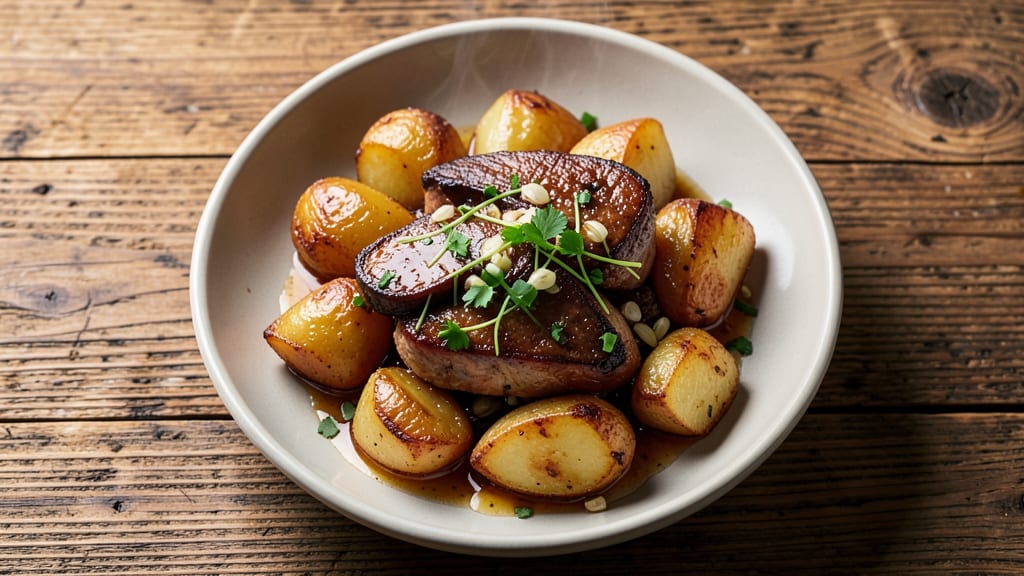
This chicken liver with potato recipe transforms humble ingredients into a restaurant-worthy dish that balances rich, iron-packed livers with buttery, velvety spuds.
Growing up in small-town Georgia, I learned how offal dishes could elevate simple meals—this method preserves the natural depth of chicken livers while ensuring they remain tender, not rubbery. The secret lies in precise timing and a high-heat sear to develop that signature caramelized crust.
What sets this recipe apart is the harmony between components: pan-fried livers with crispy edges and succulent centers, paired with perfectly textured potatoes—whether creamy mashed, golden roasted, or fluffy boiled. A splash of dry white wine in the pan deglazes the fond, creating a silky sauce that ties everything together.
This dish delivers professional results without requiring advanced techniques, making it accessible yet impressive for any home cook.
The flavor profile is where this recipe truly shines—earthy livers meet buttery potatoes, elevated by fresh herbs and a touch of lemon zest for brightness. Each bite offers a contrast of textures and a depth of umami that feels indulgent yet balanced.
The iron-rich livers make this a nutritious choice, while the potatoes provide comforting familiarity. With just 20 minutes of active prep, you'll have a dish worthy of a weekend brunch spread.
For those new to cooking liver, I’ll share my foolproof method for avoiding overcooking and maximizing tenderness—critical steps that transform this dish from intimidating to effortless. The potatoes can be prepped ahead, allowing you to focus on the livers when it matters most.
Let’s get started on creating a dish that’s equal parts rustic and refined.
Ingredients for chicken liver with potato
Rich, iron-packed livers meet velvety potatoes—just thirteen ingredients transform humble offal into a refined dish.
| Ingredient | Amount | Notes |
|---|---|---|
| Chicken Livers 🍗 | 1 lb | Fresh, trimmed of connective tissue |
| Russet Potatoes 🥔 | 2 lbs | Medium, waxy variety preferred |
| Unsalted Butter 🧈 | 6 tbsp | Divided for cooking and finishing |
| Shallots 🧅 | 2 whole | Minced, or substitute 3 tbsp onion |
| Garlic Cloves 🧄 | 4 cloves | Minced, for deglazing |
| Dry White Wine 🍷 | ½ cup | Sauvignon Blanc preferred |
| Chicken Stock 💧 | ½ cup | Homemade or high-quality store-bought |
| Fresh Thyme 🌿 | ¼ cup | Leaves only, finely chopped |
| Lemon Zest 🍋 | 1 tsp | From organic lemon preferred |
| Diamond Crystal Kosher Salt 🧂 | 1 ½ tsp | Divided for seasoning |
| Freshly Ground Black Pepper 🌶️ | ½ tsp | Coarsely ground |
| All-Purpose Flour 🌾 | 1 tbsp | For dredging livers |
| Heavy Cream 🥛 | ¼ cup | Full-fat for optimal texture |
The quality of chicken livers makes all the difference. Fresh, bright red livers from a trusted butcher—avoid those with grayish edges—are essential. Whole Foods Market or local farms often carry the best quality, though most grocery stores stock them. Trim any connective tissue carefully, as it can make the livers tough. For potatoes, Russets provide the ideal waxy texture, though Yukon Golds work beautifully too. Soak the potatoes in cold water for 30 minutes before cooking to remove excess starch, ensuring they achieve that velvety finish. The butter should be cold and unsalted—European-style brands like Plugrá melt more cleanly.
No white wine on hand? Dry vermouth or apple cider work equally well for deglazing, though the flavor profile will differ slightly. Fresh thyme is ideal, but dried thyme at one-third the amount suffices in a pinch. Substitute shallots with minced onion or leek greens if needed, though shallots add a delicate sweetness. For those avoiding dairy, coconut cream can replace heavy cream, though the texture will be lighter. The flour used for dredging should be lightly toasted in the pan before coating the livers—this enhances their crispiness without overpowering their natural flavor. Always use freshly ground black pepper, as pre-ground loses potency quickly.
Store raw livers in an airtight container in the coldest part of your fridge and use within 2 days for optimal tenderness. Potatoes can be peeled and sliced ahead, then stored in cold water in the refrigerator for up to 24 hours to prevent browning. The finished dish reheats beautifully—simply warm in a skillet with a splash of water or stock for 3-4 minutes. For meal prep, portion the livers and potatoes separately and reheat them together to maintain texture. Leftover sauce can be frozen for up to 3 months, though it’s best enjoyed fresh for maximum brightness.
Why You'll Love This Recipe
- I’ll be real: chicken livers aren’t for everyone, but when they’re paired with the buttery potatoes and that silky sauce made with white wine, thyme, and garlic, they become addictive. The flour crust keeps them tender inside while crisping up just right, and the lemon zest at the end? Game-changer. It’s the kind of dish that surprises even the skeptics.
- One-Pan Magic: Honestly, this is the kind of dish where you’re not just cooking—you’re effortlessly creating something restaurant-worthy. The potatoes roast on a sheet pan while you handle the livers in the skillet, and by the time you’re tossing everything together, you’ve barely used two pans. No last-minute scrubbing, no frantic cleanup—just toss, roast, sear, and serve.
- Rich & Unexpected: I’ll be real: chicken livers aren’t for everyone, but when they’re paired with the buttery potatoes and that silky sauce made with white wine, thyme, and garlic, they become addictive. The flour crust keeps them tender inside while crisping up just right, and the lemon zest at the end? Game-changer. It’s the kind of dish that surprises even the skeptics.
- Budget-Friendly Feast: This is the meal that makes me feel like a genius on a tight budget. Chicken livers are one of the most affordable proteins out there, and with 2 lbs of potatoes and 6 tbsp of butter (which you’ll use generously), you’re feeding a crowd without breaking the bank. Plus, leftovers? Even better the next day—just reheat gently with a splash of stock to revive that sauce.
Step-by-step instructions for chicken livers with potatoes
Here's the method for transforming rich chicken livers and waxy potatoes into a restaurant-worthy dish.
Prepare the Potatoes for Crispy Perfection
Peel the 2 lbs russet potatoes and cut them into 1-inch cubes, ensuring uniformity for even cooking. Place them in a large bowl and toss with 1 tablespoon of the 6 tbsp unsalted butter, 0.75 tsp of the 1.5 tsp diamond crystal kosher salt, and 0.25 tsp of the 0.5 tsp freshly ground black pepper. This initial seasoning ensures flavor penetration while the butter promotes crispiness.
Spread the seasoned potatoes on a rimmed baking sheet in a single layer. Roast at 425°F for 25 minutes, stirring once halfway through, until they begin to brown at the edges. Remove them from the oven and set aside—they'll finish cooking later. The potatoes should be tender when pierced with a fork but still hold their shape.
Create the Chicken Liver Crust and Sear
Pat the 1 lb chicken livers completely dry with paper towels, then place them in a bowl. Add the 1 tbsp all-purpose flour, 0.5 tsp of the remaining 1.5 tsp diamond crystal kosher salt, and 0.25 tsp of the remaining 0.5 tsp freshly ground black pepper. Toss gently to coat evenly—this creates a delicate crust that prevents the livers from breaking apart during cooking.
Heat 2 tbsp of the remaining 6 tbsp unsalted butter in a large skillet over medium-high heat until it foams. Working in batches to avoid crowding, add the floured livers and cook for 2-3 minutes per side until golden brown and cooked through. The livers should be firm to the touch and release easily from the pan. Remove them and set aside on a paper towel-lined plate to drain excess fat.
Build the Savory Pan Sauce
In the same skillet, reduce heat to medium and add the minced 2 whole shallots. Cook for 3-4 minutes until softened but not browned. Add the 4 cloves minced garlic cloves and stir for 30 seconds until fragrant. Pour in the 0.5 cup dry white wine and scrape up any browned bits from the bottom of the pan—this deglazing captures all the flavor.
Simmer the wine mixture for 2-3 minutes until reduced by half. Add the 0.5 cup chicken stock and 0.25 cup fresh thyme, then bring to a gentle simmer. Stir in the 0.25 cup heavy cream and let it thicken slightly, about 1 minute. The sauce should coat the back of a spoon but remain silky rather than heavy.
Finish with Aromatics and Serve
Return the roasted potatoes to the skillet and toss to coat them in the sauce. Sprinkle with the 1 tsp lemon zest and remaining 0.25 tsp diamond crystal kosher salt. Toss gently to distribute evenly, then transfer everything to serving plates. The potatoes should be tender with crispy edges, and the livers should be warm and golden.
Top each serving with an additional 1 tbsp of the remaining 6 tbsp unsalted butter, melted if preferred. The combination of rich chicken livers, buttery potatoes, and aromatic sauce creates a harmonious balance of textures and flavors. Serve immediately while the livers are still warm and the potatoes maintain their crispy edges.
Pro Tips For Making Chicken Liver With Potato
- Trim Those Livers Well: I learned this the hard way—skipping this step means tough, chewy bites. Use your fingers or a sharp knife to pull away every last bit of connective tissue and membrane. The livers should look clean and uniform, like little golden patties waiting to be seared.
- Roast Potatoes in One Layer: That single-layer rule isn’t just for looks—it guarantees crispy edges. If you stack them, the bottom potatoes steam instead of brown. Yes, it takes more space, but your future self will thank you when the potatoes aren’t soggy.
- Sear Livers in Batches: Crowding the pan turns your golden crust into a greasy mess. Work in batches, even if it means two rounds. The livers release enough fat to coat the pan properly, and they’ll stay firm instead of falling apart.
- Deglaze Immediately: Let those browned bits sit for more than 30 seconds, and you’re throwing away flavor. Scrape up every last bit with the wine—it’s the difference between a sauce that’s just okay and one that’s rich and complex. (Yes, even if you’re impatient like me.)
Wine and beer pairings for these flavors
Crisp White Wines
For this dish, I reach for a dry, citrus-forward Sauvignon Blanc like a New Zealand Oyster Bay or Cloudy Bay. The bright acidity cuts through the richness of the chicken livers while complementing the buttery potatoes.
The wine’s herbal notes also pair beautifully with the fresh thyme in the sauce. If you prefer something slightly more elegant, a Chablis from Burgundy offers crisp minerality that balances the dish’s umami depth. 🍷
Rich Red Alternatives
If you’re serving this with a bold red wine, opt for a lighter-bodied option like Pinot Noir from Oregon or Burgundy. The Pinot Noir from Domaine Drouhin provides enough fruitiness to stand up to the liver’s richness without overpowering it.
The wine’s red fruit notes harmonize with the caramelized edges of the potatoes. This pairing works especially well if you’ve added a touch of red wine to the sauce during cooking.
Craft Beer Pairings
A Belgian-style witbier like Leffe Blond or Hoegaarden makes an unexpected but fantastic match. The beer’s citrusy, coriander-spiced profile brightens the dish while its effervescence cleanses the palate between bites.
For a more robust option, try a German Hefeweizen like Paulaner—its clove and banana notes add complexity that pairs surprisingly well with the buttery potatoes. Avoid heavy IPAs or stouts, which can clash with the dish’s delicate balance. 🍺
Off-Dry Wine for Balance
If you’re feeling adventurous, an off-dry Riesling from Germany’s Mosel region can be a game-changer. The slight sweetness balances the savory depth of the livers, while the wine’s acidity keeps the dish feeling fresh.
I particularly like the Dr. Loosen "Blue Slate" Riesling Kabinett—it’s not too sweet and has enough acidity to cut through the richness. This pairing is especially lovely if you’ve included a hint of lemon zest in your dish. 🍇
Beer for the Bold
For those who prefer beer, a German Altbier like Kölnbrau offers a malty, slightly spicy profile that stands up to the dish’s richness. The beer’s caramel notes complement the buttery potatoes, while its crisp finish keeps the palate clean.
If you’re serving this as a weekend brunch, this pairing feels particularly indulgent and sophisticated. 🍻
Nutrition facts
Frequently asked questions
Why do chicken livers need to be patted dry before cooking?
Patting the 1 lb chicken livers completely dry ensures they sear properly instead of steaming. Excess moisture causes them to splatter and cook unevenly, leading to a soggy texture. Dry livers develop that perfect golden crust in just 2-3 minutes per side—key for that restaurant-quality finish!
Can I substitute other vegetables for potatoes in this recipe?
While potatoes are ideal for absorbing the rich sauce, you could try parsnips or cauliflower florets as a lower-carb alternative. Just reduce the 425°F roasting time by 5 minutes to prevent overcooking. Keep portion sizes similar to maintain dish balance.
What's the best way to avoid overcooking the chicken livers?
Use a meat thermometer to check for 160°F internal temperature—any hotter makes them tough. Cook in batches over medium-high heat and remove them as soon as they're golden. The flour crust helps retain moisture while developing that perfect sear. Overcooked livers turn rubbery, so timing is everything!
How can I make this dish dairy-free?
Replace the 6 tbsp unsalted butter and 0.25 cup heavy cream with coconut cream and avocado oil for cooking. The texture will be lighter, but the dish maintains its richness. Just increase the fresh thyme slightly to compensate for the missing depth. This works beautifully for those avoiding dairy!