
Main Courses
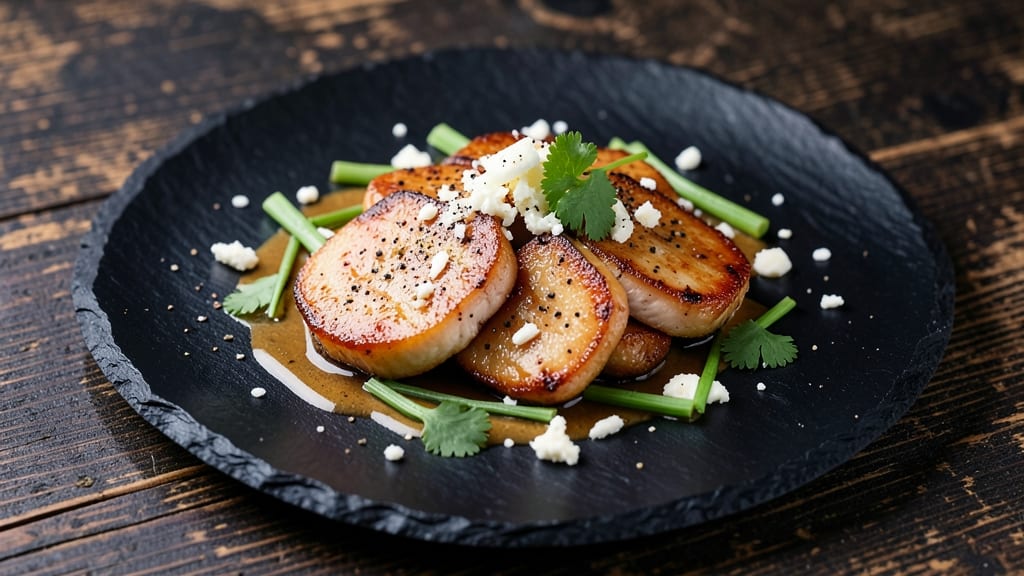
This Japanese chicken liver recipe transforms a humble ingredient into a dish that balances rich umami with delicate sweetness through a simple yet precise pan-sear and soy-miso glaze. The key lies in quick, high-heat cooking to maintain tender texture while developing deep savory notes from fermented soy and miso.
I first discovered this technique while studying traditional chahan preparations, where chicken liver elevates a simple rice bowl into something extraordinary.
The process is straightforward but demands attention to timing—chicken liver cooks in just 3-4 minutes before transferring to a warm glaze of soy, mirin, and grated ginger. This method ensures the livers remain juicy and velvety rather than dry or rubbery, a common mistake when overcooking.
The glaze adds a glossy finish that enhances both presentation and flavor, making it perfect for serving over steamed rice or as a standalone appetizer.
What sets this recipe apart is its ability to deliver restaurant-quality results with minimal effort, using pantry staples like soy sauce, mirin, and miso. The glaze’s balance of sweet, salty, and umami flavors complements the liver’s natural richness without overpowering it.
Once mastered, this dish becomes a versatile addition to Japanese-inspired meals, whether paired with steamed vegetables or a side of pickled ginger.
For those new to cooking chicken liver, this recipe serves as an excellent introduction—it’s forgiving yet rewarding, with room for customization. Experiment with adding a splash of sake to the glaze or finishing with toasted sesame seeds for extra depth.
Let’s create a dish that honors tradition while fitting seamlessly into modern meals.
Ingredients for japanese chicken liver
Pantry staples meet delicate technique to transform humble chicken livers into restaurant-quality umami richness.
| Ingredient | Amount | Notes |
|---|---|---|
| Chicken Livers 🍗 | 1 lb | Fresh, trimmed of connective tissue |
| Extra-Virgin Olive Oil 🫒 | 2 tbsp | High smoke point preferred |
| Kosher Salt 🧂 | 1 tsp | Diamond Crystal preferred |
| Freshly Ground Black Pepper 🌶️ | ½ tsp | Cracked peppercorns preferred |
| Unsalted Butter 🧈 | 2 tbsp | European-style preferred |
| Light Soy Sauce 🍶 | 2 tbsp | Kikkoman preferred |
| White Miso Paste 🍶 | 1 ½ tbsp | High-quality fermented |
| Mirin 🍶 | 1 ½ tbsp | Authentic Japanese mirin |
| Fresh Ginger 🧅 | 1 tbsp | Finely grated, organic preferred |
| Sesame Oil 🫒 | 1 tsp | Toasted sesame preferred |
| Toasted Sesame Seeds 🌾 | 1 tsp | For garnish |
| Japanese Rice Vinegar 🍶 | ½ tbsp | For balancing acidity |
| Sake 🍶 | 1 tbsp | Optional, for depth |
| Steamed White Rice 🍚 | 2 cups | For serving |
The quality of chicken livers makes all the difference—freshness is non-negotiable. Source from a trusted butcher or specialty market where they’re handled with care, as livers spoil rapidly. Look for vibrant red color and avoid any with grayish hues or off-odors. Trim away any connective tissue or membranes before use, as these can make the texture unpleasantly chewy. For optimal results, chill the livers for 15 minutes before cooking to firm them up slightly, ensuring even searing. If you're using frozen livers, thaw them in the refrigerator overnight rather than at room temperature to preserve texture.
Substitutions must be made thoughtfully to maintain balance. Light soy sauce can be replaced with tamari for gluten-free adaptation, though the umami depth will differ slightly. White miso can be swapped for red miso at half the quantity, but expect a deeper, earthier flavor profile. For those without mirin, a 1:1 ratio of dry sherry and sugar works in a pinch, though the sweetness won't be identical. Fresh ginger can be substituted with ground ginger at one-third the amount, but freshly grated provides superior brightness. If sesame oil isn't available, neutral oil plus a pinch of toasted sesame seeds will replicate the aroma. For the glaze, sake can be omitted entirely, though it adds a subtle complexity that elevates the dish.
Proper storage extends freshness and flavor. Chicken livers should be used immediately after purchase or stored in an airtight container in the coldest part of the refrigerator for up to 2 days. The prepared glaze components (soy, miso, mirin, and ginger) can be mixed ahead and stored in the refrigerator for 3 days or frozen for 3 months. When reheating, warm gently over low heat to prevent the glaze from separating. The toasted sesame seeds should be stored in a cool, dark place and used within 2 months of toasting for maximum aroma. For presentation, serve the livers over steamed rice within 1 hour of cooking to maintain their velvety texture.
Why You'll Love This Recipe
- No-Fuss Umami Bomb: Honestly, the prep is way simpler than I expected—just pat dry, season, and let them sit for 15 minutes. No chopping, no stress. The secret’s in that 2 tbsp of olive oil and butter combo for searing, which gives you that perfect crust without overcomplicating things.
- Crispy-Creamy Glaze Magic: That soy-miso glaze? It’s chef’s kiss—rich, glossy, and packed with depth from the ginger and sake. The livers get this incredible contrast: crispy edges from the pan-sear, creamy inside, and then that sticky-sweet glaze tying it all together. Trust me, one bite and you’ll be hooked.
- Rice Bowl Reinvented: This isn’t just a side—it’s a full meal you can serve for dinner parties or lazy weeknights. The sticky white rice soaks up every last bit of that umami sauce, making it feel special without any fuss. My kids even ask for seconds, and that’s saying something.
- Budget’s Your Friend: Chicken livers are one of the most flavorful proteins you can buy for pennies per ounce. A pound goes a long way, and with the glaze made from pantry staples like miso and soy sauce, you’re getting restaurant-quality flavor without breaking the bank. Win-win.
Step-by-step instructions for Japanese chicken liver pan-sear
This method delivers perfectly seared chicken livers with a glossy soy-miso glaze every time.
Prepare the Chicken Livers for Even Cooking
Pat the 1 lb chicken livers completely dry with paper towels—this is critical for achieving a proper sear. Remove any connective tissue or silver skin from the surface using a sharp knife. Trim away any visible fat or membranes, as these can make the livers greasy during cooking.
Place the prepared livers in a bowl and season generously with 1 tsp kosher salt and 0.5 tsp freshly ground black pepper. Toss gently to ensure even distribution. Let them sit at room temperature for 15 minutes before cooking—this prevents uneven cooking from cold centers.
Sear the Livers in Olive Oil and Butter
Heat 2 tbsp extra-virgin olive oil and 2 tbsp unsalted butter in a large skillet over medium-high heat until the butter foams but doesn't brown. Add the livers in a single layer, leaving space between each piece to prevent steaming. Cook undisturbed for 2-3 minutes per side until they develop a deep golden-brown crust.
Here's the thing—don't move them until you see that crust form. If they stick, gently lift with a spatula and adjust their position. Remove the livers from the pan and set aside on a warm plate, leaving the rendered fat behind for the glaze.
Build the Umami-Packed Soy-Miso Glaze
Reduce the heat to medium and add 2 tbsp light soy sauce, 1.5 tbsp white miso paste, and 1.5 tbsp mirin to the skillet. Stir vigorously to deglaze, scraping up any browned bits from the bottom—these contain concentrated flavor. Let the mixture simmer for 2 minutes until slightly thickened.
Add 1 tbsp finely grated fresh ginger, 1 tbsp sake, and 0.5 tbsp Japanese rice vinegar. Simmer for another 1 minute until the sauce reduces slightly and coats the back of a spoon. The aroma should be rich and complex—this is where the authentic Japanese flavor comes through.
Finish and Serve Over Steamed Rice
Return the seared livers to the skillet and spoon the glaze evenly over them. Toss gently to coat completely, then remove from heat. Drizzle with 1 tsp sesame oil and sprinkle with 1 tsp toasted sesame seeds for texture and aroma.
Serve immediately over 2 cups steamed white rice, allowing the livers to rest for just 2-3 minutes before eating. The rice should be warm and slightly sticky to complement the rich, umami-forward flavors. Each bite should offer a perfect balance of crispy exterior, tender interior, and glossy glaze.
Pro Tips For Making Japanese Chicken Liver
- Trim Like a Pro: Use a sharp knife to slice off the white connective tissue and fat from the livers—it’s greasy and ruins the sear. I used to leave it on, and the pan would smoke uncontrollably. A quick trim makes all the difference in getting that clean, golden crust.
- Wait for the Foam: The butter should foam but not brown before adding the livers—this is your signal the oil’s hot enough. I learned this the hard way after burning the first batch. Too hot, and you’ll end up with charred edges instead of a perfect sear.
- Deglaze Aggressively: Scrape every last bit of browned fond from the pan when making the glaze—those bits are pure flavor. I used to rush this step, and the sauce would taste dull. A wooden spoon works best, and don’t skimp on the stirring.
- Prep the Glaze Ahead: Mix the soy, miso, mirin, and ginger into the glaze components before cooking—it takes 30 seconds and saves you from scrambling mid-recipe. Store it in the fridge for up to 3 days, and it’ll be ready when you are. (Yes, even if you’re impatient like me.)
Perfect pairings for these flavors
Rice Bowl Pairings
Serve these livers over steamed Japanese short-grain rice—the slightly sticky texture soaks up the glaze beautifully. For extra authenticity, use Koshihikari rice (the gold standard in Japan) and cook it to a 1:1.1 rice-to-water ratio for perfect consistency.
I like to press the livers gently into the rice before serving to create a visually striking presentation. 🍚
For a heartier bowl, add quick-pickled cucumbers (slice cucumber, sprinkle with 1 tbsp rice vinegar, ½ tsp sugar, and ¼ tsp salt) and steamed bok choy.
The crisp acidity cuts through the richness, balancing the dish perfectly. This mirrors the classic chahan style but with a liver twist.
Miso Soup Harmony
Pair with a light miso soup featuring tofu, wakame seaweed, and green onions. The soup’s delicate umami complements the livers without competing. I use white miso for a cleaner flavor, simmering it with 4 cups dashi stock and ½ block silken tofu for just 5 minutes.
The contrast between the warm soup and seared livers makes every bite feel like a full experience. 🍜
Garnish Upgrades
Elevate the dish with quick-pickled red onions (thinly slice ½ red onion, toss with 1 tbsp rice vinegar and ½ tsp sugar) for a tangy crunch.
Fresh shiso leaves (if available) add a minty brightness, while thinly sliced scallions provide a fresh finish. For a smoky touch, sprinkle with furikake seasoning before serving. 🌿
Drink Pairings
A dry sake like Hakkaisan Junmai Daiginjo (with its crisp citrus notes) cleanses the palate between bites. For beer lovers, a light Japanese lager such as Asahi Super Dry works perfectly—its subtle maltiness doesn’t overpower the dish.
Avoid heavy stouts or sweet wines, as they’ll clash with the umami depth. 🍶
Vegetable Sides
Blanched baby spinach with a drizzle of toasted sesame oil adds a fresh, earthy contrast. Toss 2 cups spinach with 1 tsp sesame oil and a pinch of flaky sea salt for a simple yet elegant side. Alternatively, steamed edamame with a sprinkle of furikake provides a protein boost and nutty crunch. 🥦
Nutrition facts
Frequently asked questions
Why do Japanese recipes often use chicken liver?
Chicken liver is prized in Japanese cuisine for its concentrated umami flavor and rich texture. When prepared properly, it becomes a luxurious ingredient that adds depth to simple dishes like rice bowls. The high iron content also makes it a traditional remedy for fatigue, often included in chahan or oden stews for its nutritional benefits.
Can I substitute chicken liver with beef liver?
Beef liver has a stronger flavor and denser texture, so it won't work as a direct substitute. However, if you must use it, reduce cooking time to 1-2 minutes per side and increase the glaze ingredients by 20% to balance the intensity. The soy-miso glaze will still work, but the dish will taste distinctly different.
What's the best way to store leftover chicken livers?
Cooked livers should be refrigerated in an airtight container for up to 2 days. For longer storage, freeze them in a single layer before transferring to a bag for 1 month. Reheat gently in the glaze over low heat to maintain moisture—never microwave, as it can make them rubbery.
How do I know when chicken livers are cooked through?
They're done when the internal temperature reaches 160°F and the edges are deep golden brown. The glaze should coat them evenly, but if they're still pink inside, return them to the pan for 30 seconds more. Overcooking turns them tough, so timing is everything—3-4 minutes total is ideal.
Can I make this recipe ahead of time?
The glaze can be prepped 1 day ahead and stored in the fridge, but the livers must be seared fresh. Reheat the glaze separately, then toss the cooked livers in it for 1 minute to revive the flavors. For best texture, serve immediately after searing—this dish is all about freshness!