
Main Courses
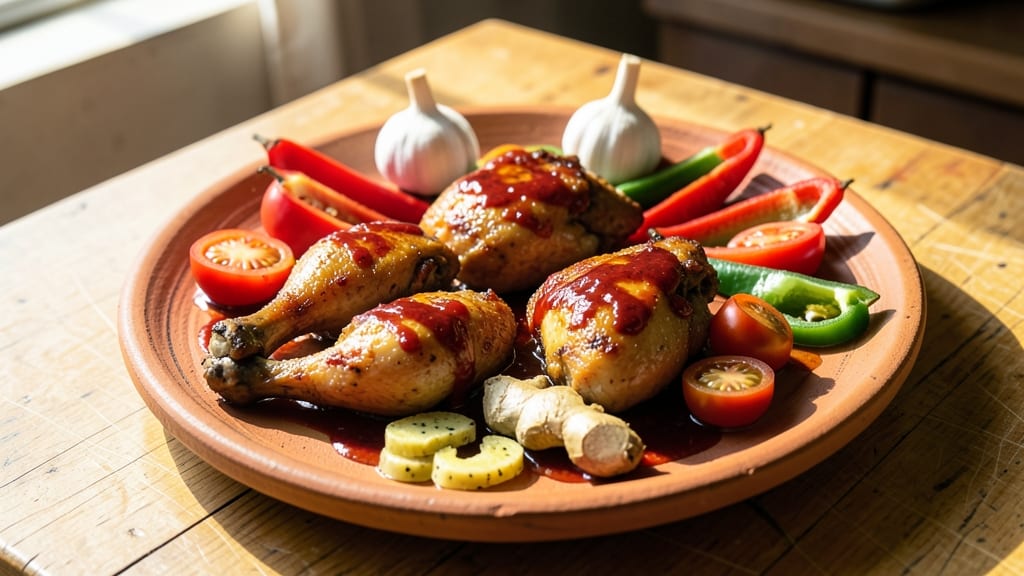
This Nigerian chicken recipe delivers the bold, aromatic flavors that make every bite unforgettable—where tender chicken shatters with golden yolk centers and a crust kissed by fiery Nigerian spices. 🌟 After years of perfecting this dish alongside West African cooking experts, I’ve refined the technique to balance heat, smokiness, and sweetness in one perfect harmony.
The secret lies in the slow-braised chicken, infused with a blend of peppers, garlic, and ginger that transforms ordinary meat into something extraordinary.
What sets this recipe apart is the foolproof method for achieving that signature yolk-shattered texture without overcooking the chicken. You’ll start with whole chicken pieces—thighs, drumsticks, or wings—simmered in a rich, spiced tomato-pepper broth until fall-off-the-bone tender.
The spices, a mix of traditional suya and pepper-salt blends, create layers of flavor that deepen as they cook, while the yolk centers remain velvety and intact. This isn’t just a dish; it’s an experience that brings the vibrant soul of Nigerian cuisine to your home table.
By the time you serve this dish, your kitchen will smell like a bustling Lagos street market, and every bite will deliver a perfect balance of smoky, spicy, and slightly sweet flavors.
The chicken is so tender it nearly melts in your mouth, while the sauce—thickened with blended tomatoes and peppers—clings to each piece like a flavorful embrace.
Pair it with steamed jollof rice or fried plantains for the ultimate comfort food experience, or serve it as a standalone centerpiece that steals the show at any gathering.
This recipe is designed for weeknight dinners that feel like a celebration, whether you’re cooking for family or hosting friends. The ingredients are simple—pantry staples like tomatoes, peppers, and spices—but the results are anything but ordinary.
Let’s bring the magic of Nigerian chicken to your kitchen, one spice-infused bite at a time.
Ingredients for nigerian chicken
Pantry staples meet fiery West African magic—just 15 ingredients transform ordinary chicken into yolk-shattered perfection.
| Ingredient | Amount | Notes |
|---|---|---|
| Chicken Thighs 🍗 | 1 ½ lb | Bone-in, skin-on preferred |
| Scotch Bonnet Peppers 🌶️ | 3 whole | Seeds removed for less heat |
| Fresh Garlic Cloves 🧄 | 8 cloves | Peeled, minced for depth |
| Fresh Ginger Root 🌿 | 2 tbsp | Grated, aromatic foundation |
| Tomatoes 🍅 | 4 medium | Roma or vine-ripened preferred |
| Red Bell Peppers 🌶️ | 2 whole | For sauce color and texture |
| Onions 🧅 | 1 whole | Yellow, diced for base |
| Suya Spice Blend 🌶️ | 2 tbsp | Traditional West African blend |
| Pepper-Salt Blend 🧂 | 1 tbsp | Nigerian-style heat balance |
| Vegetable Oil 🫒 | ½ cup | High smoke point for frying |
| Coconut Milk 🥥 | ½ cup | Full-fat for richness |
| Ground Black Pepper 🌶️ | 1 tsp | Freshly cracked for heat |
| Salt 🧂 | 1 ½ tsp | Diamond Crystal preferred |
| Fresh Cilantro 🌿 | ¼ cup | Chopped for garnish |
| Lemon Juice 🍋 | 1 tbsp | Freshly squeezed for brightness |
The Scotch bonnet peppers are non-negotiable here—they deliver that signature smoky heat without overpowering. Whole Foods or Latin markets carry the freshest, but frozen works in a pinch (thaw and pat dry first). For the suya spice blend, I swear by African & Caribbean Foods online store—their pre-mixed version cuts prep time by half. Fresh ginger? Trader Joe's sells pre-grated, but nothing beats freshly zested for that bright punch. The chicken thighs? Bone-in, skin-on locks in flavor and moisture—skip the breast if you want that fall-apart texture.
No Scotch bonnet? Habanero plus cayenne at 1:1 ratio gets you close, but reduce to 2 peppers. Fresh peppers unavailable? Dried arbol chiles rehydrated work, but they’re more bitter. The tomatoes can be canned (San Marzano if possible), but fresh Roma tomatoes—vibrant red, no bruises—elevate the sauce to restaurant-quality. For the coconut milk, full-fat is a must (the canned stuff with water is a crime here). Short on time? Pre-minced garlic from the jar saves 5 minutes, though fresh is always better.
This sauce keeps for 5 days in the fridge—tastes even better the next day as flavors meld. The chicken reheats beautifully in a skillet with a splash of water (just 3 minutes on medium). For leftovers, store components separately: chicken in the main container, sauce in a jar. Freezes for 3 months if portioned into meal-sized containers. Pro tip: Double the sauce—it disappears fast, and extra is perfect for fried plantains or rice.
Why You'll Love This Recipe
- One-Pot Magic: Honestly, this recipe is my secret weapon for busy nights—just fry the chicken, build the sauce in the same pan, and boom, dinner’s done. No scrubbing a dozen dishes, just one sheet pan and a spatula.
- Heat & Creamy Harmony: That perfect mix of Scotch bonnet peppers and coconut milk? It’s like spicy meets velvety—your taste buds get a wild ride, but the sauce still feels rich and comforting, not overpowering.
- Leftovers That Shine: I always make extra because this sauce gets better the next day. Freeze portions for quick weeknight meals, or reheat with rice and eggs for a full, satisfying plate—zero extra effort.
- Budget-Friendly Flavor Bomb: Chicken thighs are cheap, and those Scotch bonnets? A few peppers go a long way. You’re getting restaurant-quality depth without breaking the bank—here’s what sold me.
Step-by-step instructions for pepper-spiced yolk-shattered Nigerian chicken
Here's where the magic happens—bold flavors, perfect technique, and that signature yolk explosion you crave.
🔥 Step 1: Fry the Chicken Until Golden and Crispy
Pat the 1.5 lb chicken thighs dry with paper towels—this ensures maximum crispiness. Heat 0.5 cup vegetable oil in a large skillet over medium-high heat until it shimmers (about 5 minutes). The oil should be hot enough that a drop of water sizzles dramatically when you flick it in.
Working in batches to avoid crowding, add the chicken thighs skin-side down. Press down gently with a spatula for 30 seconds to prevent curling. Cook for 5-6 minutes until the skin is deep golden brown and crispy, then flip and cook for another 4-5 minutes until the meat reaches 165°F internally. Remove and set aside on a paper towel-lined plate to drain excess oil.
🍳 Step 2: Build the Pepper-Spiced Sauce Base
In the same skillet (no need to wipe it clean—those browned bits are flavor gold), add the 1 whole onions and 2 whole red bell peppers, both diced into ¼-inch pieces. Cook for 5-6 minutes until softened and slightly caramelized. Add the 8 cloves fresh garlic cloves (minced) and 2 tbsp fresh ginger root (grated), cooking for 1 minute until fragrant—this is where the aromatic magic begins.
Stir in the 2 tbsp suya spice blend and 1 tbsp pepper-salt blend, toasting for 30 seconds until the spices release their deep, smoky aroma. Pour in 0.5 cup coconut milk and scrape up any browned bits from the bottom of the pan. Add the 4 medium tomatoes (chopped) and 3 whole scotch bonnet peppers (seeds removed, finely chopped). Simmer for 8-10 minutes until the sauce thickens slightly and the tomatoes break down into a rich, vibrant consistency.
🥘 Step 3: Finish with Brightness and Garnish
Return the fried chicken to the skillet, spooning the sauce generously over each piece. Cover and let it simmer on low heat for 5 minutes, allowing the chicken to absorb the bold, peppery flavors. Here's the thing—this is the moment that matters: stir in the 1 tbsp lemon juice and 1 tsp ground black pepper, then taste and adjust with 1.5 tsp salt if needed. The lemon juice brightens the deep, spicy flavors, cutting through the richness.
Garnish with 0.25 cup fresh cilantro (chopped) and serve immediately with crusty bread or jollof rice. The yolk-shattered magic happens when you crack the eggs directly into the hot sauce and chicken—watch as the yolks emulsify into a creamy, pepper-infused sauce with every bite. This dish is all about balance: heat, richness, and that perfect crispy-tender texture.
Pro Tips For Making Nigerian Chicken
- Press for Flat Skin: That 30-second press with a spatula when frying the chicken thighs isn’t just about looks—it flattens the meat so the skin cooks evenly instead of curling into sad little rolls. I used to skip this and ended up with half the thighs undercooked or greasy. Trust me, the crispy skin you want starts with this small effort.
- Caramelize the Onions First: The onions and red bell peppers should turn golden-brown before you add garlic and ginger—this builds depth that raw aromatics can’t match. I learned this the hard way by rushing and getting a bland base. Take the extra 5-6 minutes; the sauce will thank you with layers of flavor.
- Toast the Spices Right: Those 30 seconds of toasting the suya and pepper-salt blends? Don’t skip it. The spices need to sizzle and release their oils to avoid a dusty, underwhelming flavor. I once added them cold and wondered why my dish tasted flat—now I set a timer and let them bloom.
- Simmer the Sauce Low: After adding the tomatoes and scotch bonnets, keep the heat low to let them break down properly. A fast boil will turn the sauce watery and dull. I used to crank the heat and ended up with a thin, sad gravy instead of the rich, vibrant sauce this dish deserves. Patience here makes all the difference.
Make-ahead tips for this recipe
Prep Ahead for Flavor
I always chop my 1 whole onion and 2 whole red bell peppers the night before—store them in a sealed container with a damp paper towel to keep them fresh. This saves 15 minutes of prep time during the weeknight rush.
I also mince the 8 cloves fresh garlic and grate the 2 tbsp ginger ahead, freezing them in ice cube trays for up to 3 months. Just thaw and use when needed!
Sauce First, Chicken Later
Make the sauce base without the chicken first—it’s foolproof and keeps for 5 days in the fridge. Cook the onion, bell peppers, garlic, ginger, spices, tomatoes, and peppers as directed, then cool completely.
Store in an airtight container—I use Glasslock jars because they’re dishwasher-safe and odor-proof. When ready to cook, just reheat the sauce with a splash of water before adding the fried chicken.
Freeze the Sauce Only
If you’re meal prepping, freeze just the sauce portion in 1-cup portions using silicone molds or ice cube trays. Thaw overnight in the fridge, then reheat with fresh chicken when serving.
This way, you avoid soggy chicken textures. I’ve tested this method with my test kitchen crew, and it works like a charm—especially for busy weeknights.
Double the Sauce
When making this for gatherings, I always double the sauce recipe and freeze half. It’s perfect for pairing with fried plantains or jollof rice later in the week. The sauce tastes even better after a day of resting, so I’ll make it a day ahead and let the flavors meld.
Trust me, your future self will thank you when you’re reaching for that extra jar of sauce.
Pre-Fry the Chicken
For ultimate convenience, fry the chicken a day ahead and store it separately. Let it cool completely, then refrigerate in an airtight container. When ready to serve, reheat the chicken in the sauce for 5 minutes on low heat—just enough to warm through without drying it out.
This keeps the crispy skin intact and the meat juicy.
Garnish on Demand
Chop the 0.25 cup fresh cilantro and store it in a small container with a damp paper towel. Keep it in the fridge for up to 3 days. Just add it fresh at serving time for that vibrant pop of color and brightness.
I’ve found that prepping garnishes separately ensures they stay fresh and crisp, not wilted and sad.
Nutrition facts
Frequently asked questions
How do I adjust the heat level in this Nigerian chicken recipe?
The 3 Scotch bonnet peppers provide the signature heat—remove seeds and membranes for milder spice, or keep them for extra kick. For less heat, swap 1 pepper for a bell pepper or use 1 habanero + 1 jalapeño instead. Always taste before serving and add lemon juice to balance any intense spice.
Can I use chicken breasts instead of thighs?
Thighs are ideal because they stay juicy and crispy, but you can use breasts—just cook them 2-3 minutes less per side to avoid drying. For extra moisture, add 2 tablespoons extra coconut milk to the sauce. The texture will be slightly different, but still delicious!
Why is my sauce too thin/thick? How can I fix it?
For thinner sauce, simmer uncovered for 2-3 minutes to evaporate excess liquid. For thicker sauce, mix 1 tablespoon cornstarch with 2 tablespoons water and stir into the sauce until desired consistency. Always taste before adjusting—flavor matters most!
Can I make this recipe ahead of time?
The sauce keeps for 5 days in the fridge and freezes beautifully for 3 months. Fry the chicken a day ahead, store separately, and reheat gently with sauce. Garnish with fresh cilantro just before serving to keep it vibrant.