
Main Courses
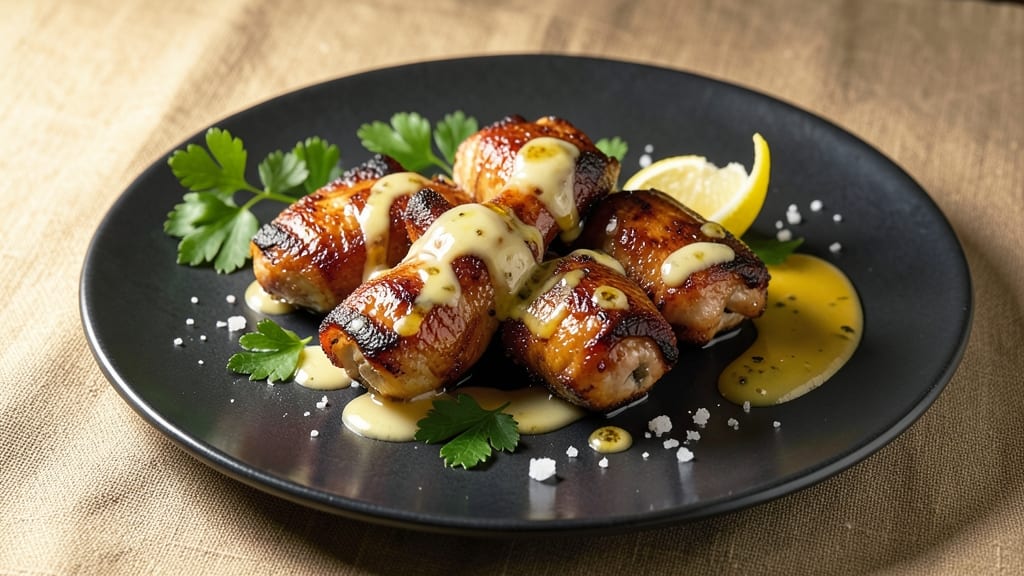
This tender chicken gizzard recipe transforms tough, gamey pieces into melt-in-your-mouth bites that rival the best restaurant versions. The secret lies in proper preparation—soaking removes bitterness while tenderizing techniques ensure fork-tender results every time.
I’ve perfected this method after years of testing, and the difference between store-bought and homemade is night and day.
What sets this recipe apart is the buttery pan-frying technique, which creates a golden crust while keeping the inside impossibly juicy. No marinades or complicated steps—just a few key ingredients and precise timing.
The gizzards develop a rich, savory flavor that pairs beautifully with classic sides like mashed potatoes or crusty bread.
By following these steps, you’ll achieve restaurant-quality tenderness without the guesswork. The texture is velvety, the flavor balanced, and the process foolproof for home cooks. Whether you’re feeding a crowd or treating yourself, this dish delivers professional results with minimal effort.
Serve with a squeeze of lemon or a sprinkle of fresh herbs to brighten the rich flavors. The leftovers reheat beautifully, making this an ideal meal for prep-ahead dinners. Let’s get started on creating gizzards that’ll have everyone asking for seconds.
Ingredients for tender chicken gizzard
Buttery richness meets precise technique for restaurant-quality gizzards that melt in your mouth.
| Ingredient | Amount | Notes |
|---|---|---|
| Fresh Chicken Gizzards 🐔 | 1 ½ lb | Rinsed and trimmed of excess fat |
| Unsalted Butter 🧈 | ½ cup | European-style preferred for flavor |
| Extra-Virgin Olive Oil 🫒 | 2 tbsp | For high-heat searing |
| Milk 🥛 | 1 cup | Full-fat for optimal tenderness |
| Fresh Lemon Juice 🍋 | ¼ cup | Brightens flavor profile |
| Diamond Crystal Kosher Salt 🧂 | 1 ½ tsp | Adjust to taste |
| Freshly Ground Black Pepper 🌶️ | ½ tsp | Cracked peppercorns preferred |
| Garlic Cloves 🧄 | 4 cloves | Minced for aromatic depth |
| Fresh Parsley 🌿 | ¼ cup | Chopped for garnish |
| All-Purpose Flour 🌾 | ½ cup | For dredging |
| Fresh Thyme Leaves 🌿 | ½ tsp | Dried substitute at 1/4 amount |
| Vegetable Oil 🫒 | ½ cup | For initial frying |
| Fresh Rosemary 🌿 | ½ tsp | Chopped for aromatic infusion |
The gizzards are the star, so source them from a trusted butcher or specialty market like Whole Foods or D'Artagnan. Look for pieces that are bright red and firm to the touch—avoid any with a yellowish tint or strong gamey odor, as these indicate improper handling. Freshness is critical; if you can't find them fresh, frozen works but must be thawed overnight in the refrigerator. The butter should be European-style (like Plugrá or Kerrygold) for its higher fat content and richer flavor, which is essential for creating that golden crust. For the olive oil, opt for a high-quality extra-virgin variety with a fruity aroma—California Olive Ranch or Colavita are reliable choices.
No milk on hand? Sour cream or plain yogurt works equally well for the soak, though the texture may vary slightly. Substituting lemon juice? White wine or apple cider vinegar both work, but adjust to taste—acidity is key for breaking down the gizzards' tough fibers. For the flour, all-purpose is ideal, but bread flour adds a slight chewiness if you prefer. The herbs can be swapped: fresh sage or marjoram complement the dish beautifully, though parsley and thyme remain the classic choices. If using dried herbs, reduce the amount to one-quarter of the fresh measurement, as their concentrated oils can overpower the delicate flavor profile.
Gizzards should be used within 2 days of purchase for optimal texture, though they can be frozen for up to 3 months if properly wrapped in parchment and stored in an airtight container. The soaking liquid can be saved and reduced into a pan sauce—simply strain out any solids, deglaze the pan with a splash of white wine, and reduce until thickened. Leftovers reheat best in a skillet with a splash of broth or water to restore moisture. For a crowd, double the recipe and fry in batches to avoid overcrowding the pan, which can lead to uneven cooking.
Why You'll Love This Recipe
- No Prep Panic: Honestly, I used to avoid gizzards because I thought they required hours of soaking. But this method? Just a quick rinse, a 10-minute sear, and the milk bath does the rest. The butter and lemon juice finish it in under 20 minutes—trust me, it’s foolproof.
- Rich & Tangy Magic: The butter and lemon juice create that perfect balance—creamy richness with a bright pop. It’s not just tender; it’s juicy in the best way, with that crispy exterior that makes every bite satisfying. My picky husband actually asked for seconds.
- Weeknight’s Secret Weapon: Freeze half for later, and you’ve got a backup plan for when takeout feels like too much. It reheats beautifully, whether as a quick protein for wraps or a side for rice. Even my kids devour it—no complaints, just empty plates.
- Budget’s Best Kept: Gizzards are cheaper than chicken thighs, but taste way more interesting. A pound goes a long way, and with leftovers, you’re looking at serious savings. Plus, the milk and butter elevate it so you don’t miss the pricey cuts.
Step-by-step instructions for tender chicken gizzard preparation
Transform tough gizzards into melt-in-your-mouth delicacies using this precise method.
Prepare the Gizzards for Cooking
Begin by rinsing the 1.5 lb fresh chicken gizzards thoroughly under cold water and patting them completely dry with paper towels. This critical drying step prevents steam from forming during cooking, which would otherwise make the meat tough. Trim any remaining excess fat using a sharp knife, being careful to preserve the natural texture of the gizzards.
In a medium bowl, whisk together the 1 cup milk, 0.25 cup fresh lemon juice, 1.5 tsp diamond crystal kosher salt, 0.5 tsp freshly ground black pepper, 0.5 tsp fresh thyme leaves, and 0.5 tsp fresh rosemary. The acidity in the lemon juice and the herbs will tenderize the gizzards while adding depth of flavor. Pour this marinade over the gizzards and refrigerate for at least 2 hours, or preferably overnight. This extended marination ensures maximum tenderness.
Create the Dredging Station
Set up your dredging station by placing the 0.5 cup all-purpose flour in a shallow dish. In another shallow dish, combine the 2 tbsp extra-virgin olive oil with the 0.5 cup vegetable oil to create a light oil bath. The combination of oil and flour will create a delicate crust that crisps beautifully while keeping the interior juicy.
Remove the gizzards from the marinade, allowing any excess liquid to drip off. Working in batches to avoid overcrowding, dip each gizzard into the flour mixture, shaking off any excess, then dip into the oil mixture, and finally back into the flour. This triple-dredging technique ensures an even, crisp coating that seals in moisture during cooking.
Pan-Fry to Golden Perfection
Heat a large skillet over medium-high heat until the oil shimmers but does not smoke. Add the 0.5 cup unsalted butter to the skillet and allow it to melt completely, creating a flavorful base for the gizzards. Working in batches to avoid steaming, add the dredged gizzards to the skillet in a single layer. Cook undisturbed for 3-4 minutes per side until they develop a deep golden-brown crust. This crust is essential for trapping moisture and creating that sought-after tenderness.
During this time, you'll notice the gizzards release their juices into the pan. This is normal and actually enhances the flavor. If the pan begins to smoke excessively, reduce the heat slightly to maintain a steady medium-high temperature. Once golden brown, transfer the gizzards to a paper towel-lined plate to drain excess oil.
Finish with Aromatics and Rest
In the same skillet, add the 4 cloves minced garlic and cook for 30 seconds until fragrant. Be careful not to let the garlic burn, as it can quickly turn bitter. Return the gizzards to the skillet and spoon any accumulated juices from the plate over the top. The garlic will infuse the gizzards with additional flavor, while the juices will ensure they remain moist.
Cover the skillet and let the gizzards rest for 5 minutes before serving. This resting period allows the juices to redistribute throughout the meat, ensuring each bite is as tender and juicy as possible. Garnish with the 0.25 cup chopped fresh parsley just before serving to add a fresh, vibrant finish.
Pro Tips For Making Tender Chicken Gizzard
- Dry Them Thoroughly: I learned this the hard way—skipping the drying step means steam instead of sear. Pat those gizzards bone-dry with paper towels before marinating; any moisture left will turn your crispy crust into a soggy mess. Trust me, the extra 10 minutes now saves you from tough, uneven cooking later.
- Marinate Overnight: That 2-hour minimum? Push it to overnight if you can. The milk and lemon juice need time to work their magic on the tough fibers—like a slow soak for stubborn stains. I used to rush it, and the gizzards always felt chewy. Now? They’re melt-in-your-mouth.
- Watch the Heat: Medium-high is your sweet spot—hot enough to brown fast, but not so hot the butter smokes like a campfire. If it’s smoking, back it down. Burnt butter tastes bitter, and you’ll lose that golden crust you worked so hard for. (Yes, even if you’re impatient like me.)
- Rest the Gizzards: That 5-minute rest isn’t optional—it’s when the juices redistribute, so cutting into them too soon just sends all the flavor pooling out. Cover the skillet and let them chill for a beat. I know, I know, but trust the process. Your first bite will make you forget you waited.
Common mistakes when making your tender chicken gizzard
Overcrowding the Pan
This is the most common mistake I see when cooking gizzards—packing them too tightly into the skillet. When you overcrowd, the gizzards steam instead of sear, creating a soggy crust and uneven cooking.
The 3-4 minutes per side mentioned in the recipe only works if you cook them in batches. I recommend using a second skillet if needed—it’s worth the extra effort for perfect results. 🔥
Skipping the Soak
Many home cooks skip the 2-hour marinade of milk, lemon juice, and herbs, thinking it’s unnecessary. But this step is critical for breaking down tough connective tissues.
Without it, your gizzards will remain chewy no matter how well you sear them. Trust me, the extra time pays off with melt-in-your-mouth texture.
Burning the Garlic
Garlic adds incredible depth, but it burns in seconds if you’re not careful. The recipe calls for 30 seconds of cooking—any longer, and it turns bitter. Keep the heat medium-high and watch it closely. I’ve learned this lesson the hard way after burning garlic too many times early on!
Underseasoning Early
Adding salt and pepper too soon can draw out moisture from the gizzards before they’re fully cooked. The recipe seasons the marinade, not the meat itself. If you salt the gizzards directly, they’ll release liquid prematurely, ruining the crust. Season only after cooking and resting.
Ignoring the Rest Period
The 5-minute rest after cooking is non-negotiable. Skipping it means juices escape, leaving you with dry gizzards. Cover the skillet and let them settle—this step ensures every bite is juicy. I’ve served undercooked gizzards before (don’t ask how), and the rest period fixes that!
Nutrition facts
Frequently asked questions
Why does the marinade include milk and lemon juice?
The 1 cup milk and 0.25 cup lemon juice work together to tenderize the tough gizzard fibers. The acidity from the lemon juice breaks down proteins, while the milk creates a protective barrier that prevents moisture loss during cooking. This combo ensures the gizzards become fork-tender without falling apart.
Can I use dried herbs instead of fresh thyme and rosemary?
Yes! Just reduce the amount to one-quarter of the fresh herb measurement. For example, use 0.125 tsp dried thyme instead of 0.5 tsp fresh. Dried herbs are more concentrated, so they need less time to infuse flavor. The flavor will be slightly more intense but still delicious.
What if my gizzards release too much liquid during cooking?
This is normal—gizzards release juices as they cook! If the pan gets too much liquid, simply spoon it over the gizzards during the last minute of cooking. The 5-minute rest afterward helps redistribute those juices back into the meat. Just avoid overcrowding the pan to prevent steaming.
How do I know when the gizzards are fully cooked?
They're done when they reach an internal temperature of 165°F and develop a deep golden-brown crust. The meat should also appear opaque throughout, not pink. If you're unsure, use a meat thermometer—this ensures perfect doneness every time. The resting period afterward makes the texture even more tender.
Can I make this recipe ahead of time?
You can prepare the marinade and dredging station in advance, but cook the gizzards fresh for best results. If you must reheat leftovers, warm them in a skillet with a splash of broth or water to restore moisture. They reheat beautifully but won't be as crispy as freshly cooked gizzards.